 Nile Cruisen Team
The tourism and economic circles in Egypt witnessed a state of cautious optimism that quickly turned into intense action plans, following the official announcement that the United States of America and the Islamic Republic of Iran had reached a two-week ceasefire agreement, and the start of direct negotiations in the Pakistani capital. This geopolitical development, which observers described as a “lifeline” for the tourist season in the region, is expected to immediately cast a positive shadow on the flows of tourist pilgrims to Egyptian destinations.
Reassuring messages to international markets
Tourism experts confirmed that merely announcing the truce would lead to a decline in the rate of “cancellation of reservations” witnessed in recent weeks as a result of fears of the expansion of the regional conflict. Egypt, as the traditional “oasis of safety” in the region, is considered the biggest beneficiary of the return of stability to air traffic in the Middle East, especially with expectations of reopening air corridors that were affected by recent tensions.
An expected recovery in “luxury” and aviation tourism
The Egyptian aviation sector expects to regain momentum in flights coming from distant markets such as the United States, Canada, and Southeast Asia, which are severely affected by security warnings. According to preliminary reports, major tourism companies in Europe (especially in Germany, Italy, and the Czech Republic) have begun rescheduling additional flights to Hurghada, Sharm El-Sheikh, and Marsa Alam, taking advantage of the current political calm.
“The stability of the situation between the major powers in the region removes the ‘fear factor’ for European tourists, who place security at the top of their priorities before making the decision to travel.” – An official source in the tourism planning sector.
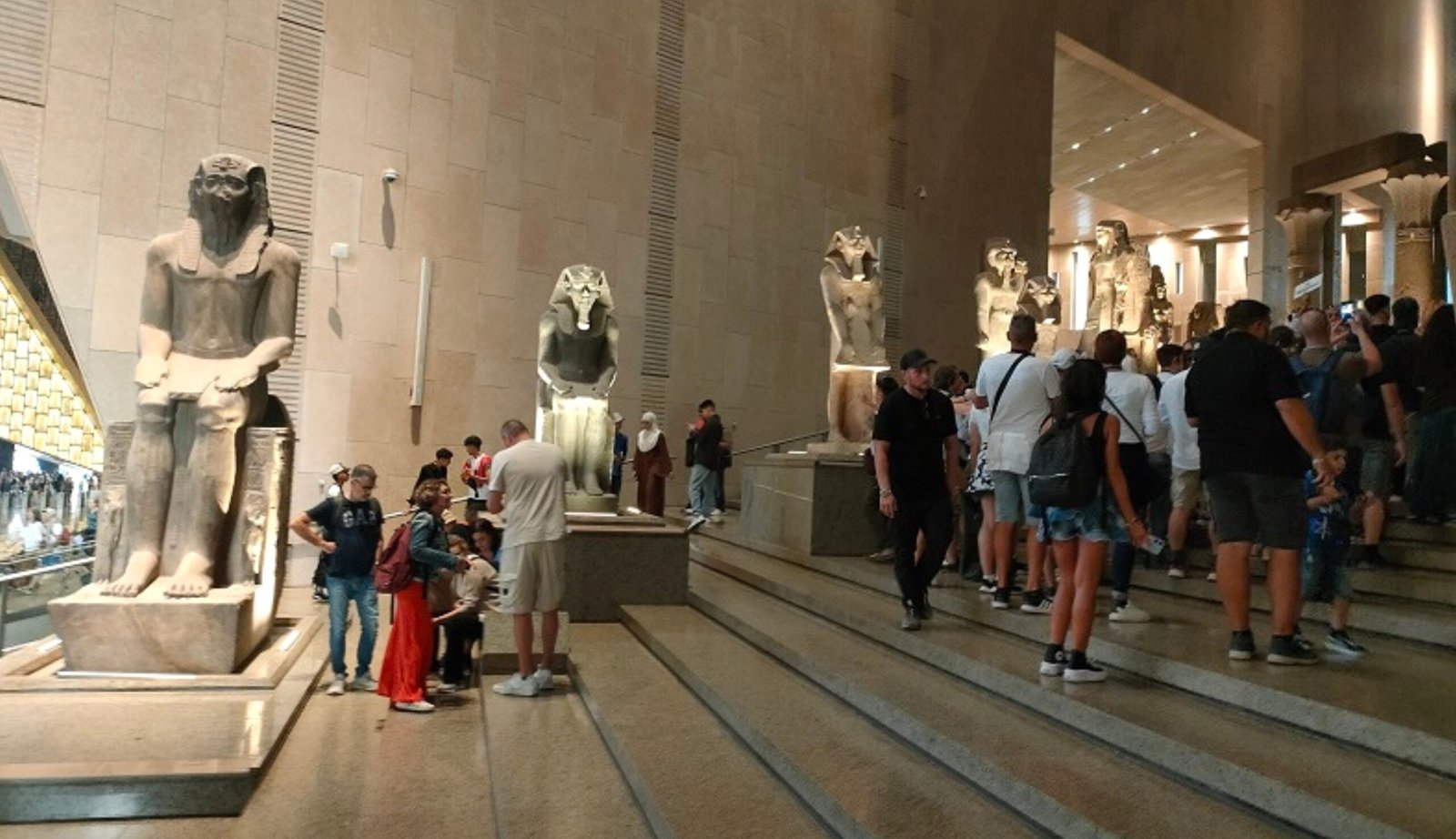
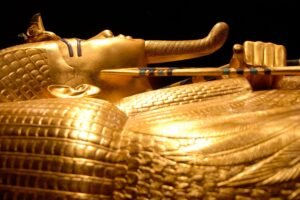
The Grand Egyptian Museum…the winning bet
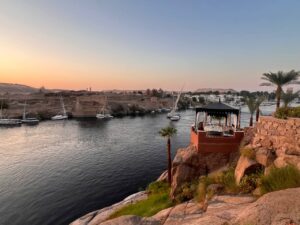
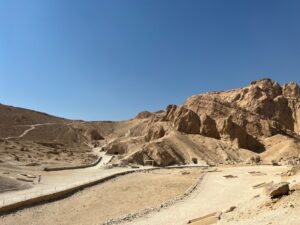
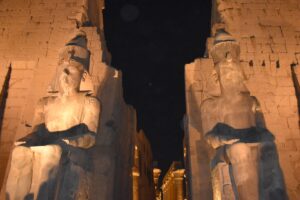
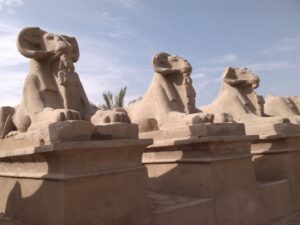
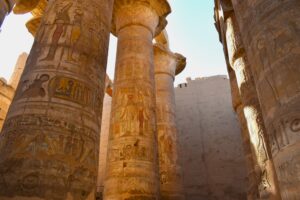
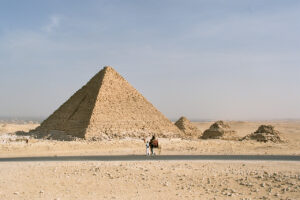
This recovery comes at a time when Egypt is putting the final touches on its 2026 strategy that aims to attract 21 million tourists. As the drums of war subside, the Ministry of Tourism is betting on the “Grand Egyptian Museum” as a major attraction for cultural tourism, as Luxor and Aswan are expected to witness strong influxes of tourists who have waited for the moment of regional stability to visit the unique archaeological monuments.
Immediate economic impacts
The matter does not stop at the hotels, but extends to:
Exchange rate stability: Political calm gives the Egyptian pound additional strength against foreign currencies, which reduces tourism operating costs.
Intensive promotional offers: The Egyptian General Authority for Tourism Promotion has begun launching targeted digital advertising campaigns under the slogan “Egypt… where history meets peace,” taking advantage of the global news momentum of calm.
Conference tourism: Confidence returns to international event organizers to hold their conferences in Egyptian coastal cities.
Conclusion
While the world watches the results of the “Islamabad Talks” and what will emerge in the coming days, Cairo seems fully prepared to capitalize on this historic moment. If the ceasefire continues and turns into sustainable peace, Egyptian tourism is not only on its way to recovery but also on its way to achieving unprecedented records by the end of 2026.