 Nile Cruisen Team
 Quick Overview
- It is the temple of Ramses III, who ruled from 1185 to 1154 BC and was the second pharaoh of the Twentieth Dynasty during the New Kingdom in ancient Egypt.
- Medinet Habu is a vast ancient complex located on the west banks of the Nile River and is among the main monuments of the mortuary temple of Ramesses III.
- which was built during the 12th century BCE and majorly depicts the scenes of Ramesses III’s battles against the Sea Peoples, providing valuable historical information to the visitors.
- Through this blog, get a detailed overview of Medinet Habu and how you can visit it or can include it in your Egyptian vacation itinerary while exploring Luxor.
Table of Contents
-
Where is the Temple of Ramses III?
-
What does Medinet Habu mean?
-
Who built Medinet Habu?
-
What is the history of Medinet Habu?
-
What is the significance of Medinet Habu?
-
What are the reliefs at Medinet Habu?
-
What are the things to do in Medinet Habu?
-
Can you visit Medinet Habu?
-
Practical Visitor Tips for Medinet Habu
-
Is Medinet Habu worth visiting?
-
Conclusion
Where is the Temple of Ramses III?
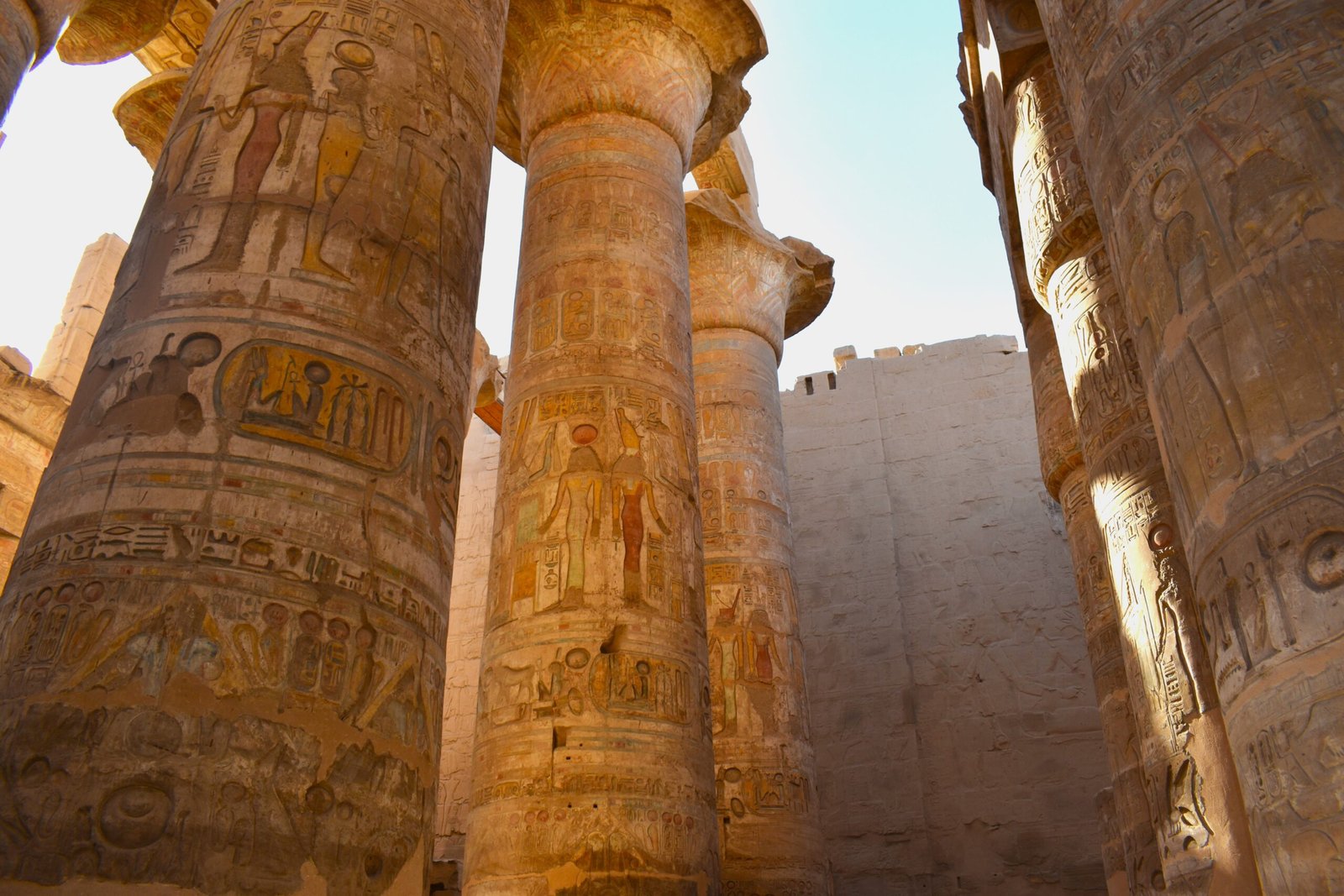
The Medinet Habu Temple in Luxor is located on the west banks of the Nile River in Luxor, Egypt, and it stands at the foot of the Theban Hills, within the historic Theban Necropolis, near the Valley of Queens and about 1.3 km away from Deir el-Medina. The site is best known for the mortuary temple of Ramesses III, the principal monument at Medinet Habu, and its location on Luxor’s west bank places it among the area where major funerary monuments are present.
What does Medinet Habu mean?
The exact origin of the name “Medinet Habu” is unknown, as the name first appeared in the records of European travelers and mapmakers in the 17th and 18th centuries. The records used several forms of the name, including Habu, Medineh el Habou, Medinet Abu, and Medinet Tabu, and several theories have been suggested about the name’s origin, but none has been proven conclusively. In ancient and later periods, the area was known by different names in Egyptian, Coptic, Arabic, and Greek.
Who built Medinet Habu?
The temple Medinet Habu was originally built by the pharaoh Ramesses III as he ruled during the 20th Dynasty in the New Kingdom; it was the main monument at the site and was built for his funerary worship of the god Amun. It was specifically designed to honor and preserve the memory of the pharaoh, as during his rule he fought many battles, and ancient Egypt, during his rule, experienced growth, but eventually he was killed under a harem conspiracy.
Its walls were decorated with inscriptions and reliefs showing religious ceremonies, royal achievements, and Ramesses III’s military victories; the wider Medinet Habu area contains the remains from different periods and rulers, so not every structure at the site was built by Ramesses III. For example, the nearby Temple of Ay and Horemheb dates to an earlier period, showing that the area had religious importance before Ramesses III.
What is the history of Medinet Habu?
Medinet Habu is an ancient archeological site on the west bank of Luxor with a history stretching from the Pharaonic period into the early medieval period, but majorly today the site is best known for the Mortuary Temple of Ramesses III, which was built during the 20th Dynasty of the New Kingdom in ancient Egypt. Some building materials from the earlier monuments, including the destroyed temple of Tuasret, an Egyptian goddess, were reused in the construction of Medinet Habu, and the temple became famous for its large inscriptions and reliefs, especially those recording Ramesses III’s battles against the Sea Peoples and Libyan forces.
The area was not only a religious center; the people have lived around the temples for centuries, and the settlement continued into the Christian period. By the 9th century AD, the settlement had developed into a Coptic center known as Jeme before eventually being abandoned, and the temple was later used and modified during the Greco-Roman and Byzantine periods, including the addition of a church inside the temple.
In modern times, European travelers began documenting Medinet Habu, like Vivant Denon, a French writer who mentioned it for the first time when he visited around 1799–1801, and then later, excavations and conservation work increased during the 19th and 20th centuries. Also, the conservation work began from 1924 onwards.
What is the significance of Medinet Habu?
Medinet Habu is one of the best-preserved temple complexes in Luxor, giving visitors a clear view of ancient Egyptian temple architecture, which is mainly associated with Ramesses III and widely known as his mortuary temple. It covers a large area and has more than 7,000 m² of decorated wall reliefs and also contains 48 rooms, including 8 rooms forming the mortuary suite of Ramesses III.
The inscriptions of the Medinet Habu temple provide you valuable information about Ramesses III’s reign, religious practices, military campaigns, and Egypt’s relations with foreign peoples. The complex also contains topographical lists naming places in Africa and the Levant, providing evidence about the regions known to ancient Egyptians.
The temple Medinet Habu contains four major battle inscriptions describing events from years 5, 8, 11, and 12 of Ramesses III’s reign, of which the year 8 and 11 inscriptions particularly record Ramesses III’s conflicts with the Libyans and the Sea Peoples, making it an important source for studying the political and military history of the late New Kingdom. Inscriptions and reliefs suggested that the site continued to be modified and used during later Egyptian, Greco-Roman, and Byzantine periods.
What are the reliefs at Medinet Habu?
The temple is historically important because its walls preserve thousands of square meters of decorated reliefs and inscriptions. Reliefs in the mortuary suites of Rameses III focus on his funerary rituals and portray him as an Osiride king, connecting him with the god Osiris and the afterlife. Other sections in these suites show the pharaoh performing religious duties, making offerings, and taking part in ceremonies, which highlights its role as both ruler and religious leader.
The western and northern walls contain some of the temple’s most important military reliefs, showing Ramesses III’s campaigns against the Libyans and the Sea Peoples, and these battle scenes show Egyptian soldiers preparing for war, fighting enemies, capturing prisoners, collecting weapons and booty, and returning as victors.
The temple also features processions of royal princes and princesses, reflecting the importance of the royal Egyptian family in religious ceremonies. There are also religious scenes, offering scenes, hieroglyphic inscriptions, and topographical lists, and some carvings were later modified with Christian imagery when a church occupied part of the temple during the Byzantine period, showing how the site continued to be used long after the Pharaonic era.
What are the things to do in Medinet Habu?
Explore the High Gate: it is a fortified entrance of the Medinet Habu temple complex, as the wall decoration includes scenes of the king and Egyptian gods, reflecting the religious purpose of the temple.
Must see the First and Second Courtyards: Walk through the spacious courtyards and see the impressive statues of Ramesses III portrayed as Osiris, and also you can notice traces of the original colorful paint that still survives on the temple walls and columns.
See the Battle Reliefs: During the exploration, come through the detailed carvings showing Ramesses III’s military campaigns, including his famous battles with the Sea Peoples and Libyans.
Look at the inscriptions and hieroglyphs: Take time to see the carved texts and scenes that provide information about religion, festivals, rulers, and ancient Egyptian life; your tour guide assisting you can explain them better and walk you through the pylons, halls, columns, and open spaces to appreciate the scale and design of this well-preserved ancient complex on the west banks of Luxor in Egypt.
Can you visit Medinet Habu?
Yes, the Medinet Habu is open for visitors, and many times while exploring the west banks of Luxor during their Nile cruise in Egypt, tourists pay a visit to the Ramesses III Mortuary Temple.
Timmings of the Medinet Habu
Opening Hours: Daily from 6:00 AM to 5:00 PM (closes around 4:00 PM in winter).
Ticket Pricing
Adults: 230 EGP ($4.80 USD)
Students: 110 EGP (need to show a valid ID)
Practical Visitor Tips for Medinet Habu
- The temple is best explored during early mornings or late evenings.
- Do not miss witnessing the 3,000-year-old blue, red, and yellow paints on the inner ceilings and columns in the hypostyle halls of the temple.
- You can take a private taxi or a group bus to reach the Medinet Habu.
- It is best explored when you come to explore the west banks of Luxor. Pair it with a shore excursion to the Temple of Hashepsut and the Medianet Habu Temple, as the distance is about only 4-5 kilometers, which takes 10-20 minutes by taxi.
- Stay hydrated, wear hats and sunscreens, and keep a small denomination of the Egyptian currency to access the restrooms.
- Only 1.5 to 2 hours are required for exploring the whole complex.
Is Medinet Habu worth visiting?
Yes, it is worth visiting. If you are interested in ancient Egyptian history and temples, you can see the well-preserved temples of Rameses III and impressive pharaonic-age architecture from the New Kingdom. The walls have detailed carvings and colorful reliefs, with battle scenes and inscriptions, which gives you a glimpse into the military history of Ramesses III. Also, the site is usually quieter than some of Luxor’s famous sites.
Conclusion
Medinet Habu is one of the historical monuments that gives you an insight about Egyptian architecture; also, the carvings convey the powerful history of pharaohs, so the mortuary temple of Medinet Habu is a must-explore destination in Egypt, so pay a visit here if your Egyptian vacation itinerary allows.

This article was created by the team at Nile Cruisen, one of the best tour operators in Egypt for Nile cruises and tailor-made Egypt tours.
With years of experience sailing between Luxor and Aswan, our team knows the Nile better than anyone.
We share trusted travel advice, from the best time to visit and what to pack to simple tips for avoiding crowds.
Our goal is to help you enjoy the timeless beauty of Egypt with comfort, confidence, and an unforgettable travel experience.
- Nile Cruisen Team

- Nile Cruisen Team
- Nile Cruisen Team
- Nile Cruisen Team