The city that is known as Thebes during the time of the pharaohs and in history books is the present-day Luxor, a prominent city in Upper Egypt. Today it’s an important tourism spot in Egypt and widely recognized as the world’s largest open-air archaeological museum, as many of Egypt’s greatest pharaohs built temples and tombs here.
The name “Luxor” comes from the Arabic word “Al-Qusur,” meaning “The Palaces.” This is an Egyptian city that is also known as the “City of a Hundred Gates” and the “City of the Sun.” If you think that Luxor is just another city of Egypt, read till the last and discover how magnificently modern-day Luxor has celebrated the rich history of Thebes and kept it unchanged for future generations.
Geographical features of the Luxor
- Luxor is about 670 km south of Cairo.
- It is about 220 km north of Aswan.
- The nearest airport is Luxor International Airport (LXR).
- The nearest seaport is Safaga Port on the Red Sea, located 210-220 km from the northeast of Luxor.
- It is one of the oldest constantly inhabited cities in the world.
- It is the capital of Luxor Governorate, located in upper Egypt.
History of the Ancient Luxor
Luxor was known as Thebes, the capital of Upper Egypt during the New Kingdom in the civilization and the main city of God Amun, who later became Amun-Ra, one of the most important gods of Egyptian history. A lot of times travelers ask why Luxor is called the “City of Hundred Gates.” Here’s why:
The first reason is that in the ancient world there are two cities named Thebes, one in Greece and another in Egypt, so a number of gates are given to them to distinguish them. The Greek city, located in Boeotia, becomes the “Thebes of the Seven Gates,” and the Egyptian city starts to be known as the “Thebes of the Hundred Gates,” the capital city of the Pharaonic Egyptian empire. Also, this name is mentioned by Homer in Book IX of the Iliad, which highlights the wealth of Luxor and its archaeological richness.
Luxor became an important city during the 11th Dynasty under Mentuhotep II, who reunified Egypt, and during the 18th to 20th Dynasties of the New Kingdom, Thebes became the political, religious, and military capital of Ancient Egypt. Although the political capital later moved to northern Egyptian cities, Thebes remained Egypt’s main religious center for many centuries, and the Karnak Temple Complex became the largest and most important temple dedicated to Amun-Ra.
The city was attacked by the Assyrians, which reduced its political importance, and Alexander the Great later visited Thebes and honored the god Amun. During the Christian period, many monks built monasteries around Luxor’s ancient temples, including Deir el-Bahari. After the Muslim conquest of Egypt, part of Luxor Temple was converted into the Abu Haggag Mosque, which still exists today. By the 20th century, Luxor had become one of Egypt’s most important tourist destinations, and now around 5 million tourists visit Luxor every year, significantly through the Egypt river cruise journeys over the Nile.
What is Luxor, Egypt, famous for?
For its archaeological richness, the Luxor stands out. Major historical monuments that tourists must visit are mentioned here:
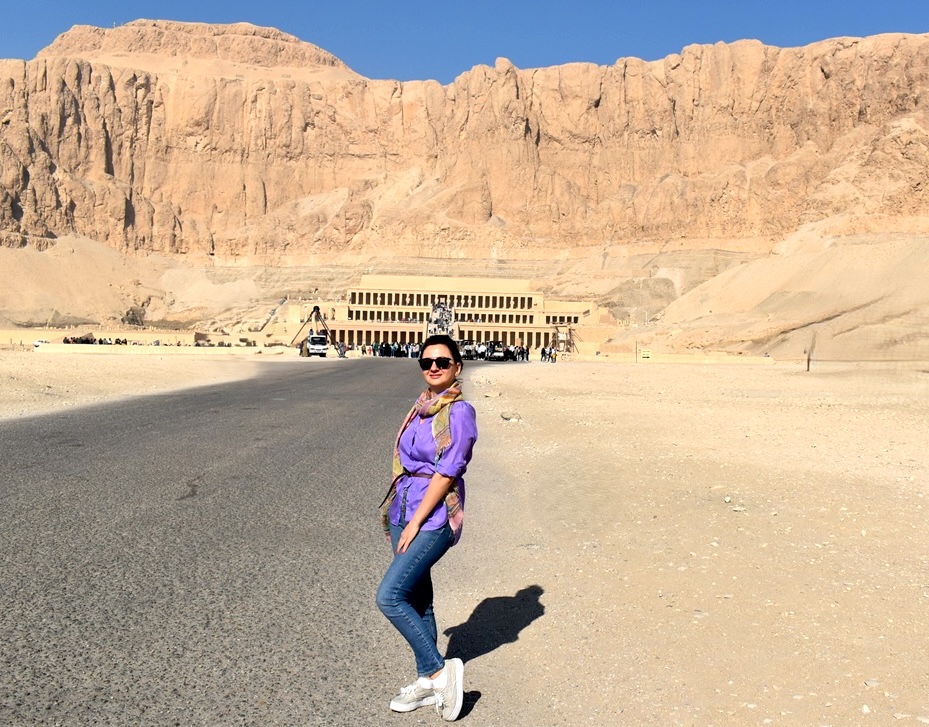
8 Major Historical Sightseeing Places in Luxor
East Bank
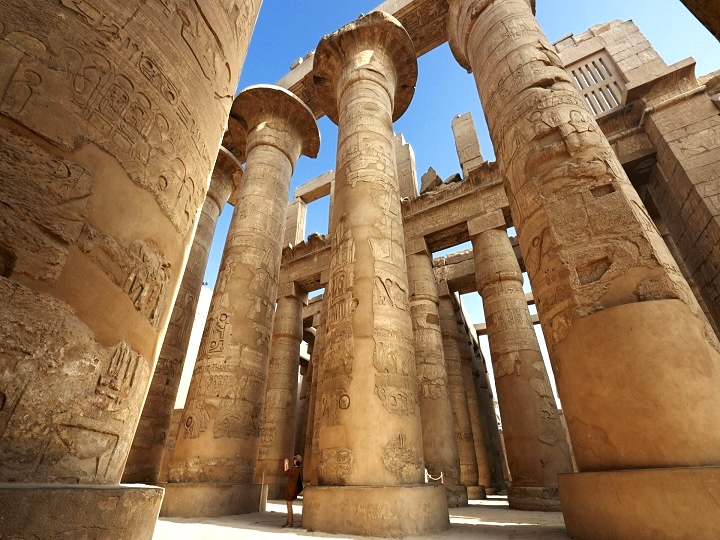
Karnak Temple Complex: A UNESCO World Heritage site and one of the largest religious sites of ancient Egypt, which was built by the contributions of more than 30 pharaohs who have added halls, obelisks, and statues for over 2,000 years. It features the Great Hypostyle Hall that contains 134 massive sandstone columns, the Obelisk of Hatshepsut, and the Obelisk of Thutmose I.
Luxor Temple: It was mainly built by Amenhotep III and was later expanded by Ramesses II, which includes the First Pylon of Luxor Temple at the entrance, which has a carving of military victories by Ramesses II. Unlike most temples, it was dedicated to the renewal of kingship rather than the worship of a single god and the historic Abu Haggag Mosque, showing centuries of continuous use.
Avenue of Sphinxes (Al-Kabash Road): It is an ancient ceremonial road that connects the Luxor and Karnak temples, which stretches for about 2.7 kilometers and is lined with more than 1000 ram-headed and human-headed sphinxes. This comes in use during the Opet festival when boats carrying the gods travel between the temples.
West bank
Valley of Kings: Here are more than 60 Egyptian tombs that were discovered, as it was the royal burial place for pharaohs of the New Kingdoms. Most of the tombs are decorated with colorful scenes from the Egyptian Book of the Dead and other religious texts; it is also a UNESCO World Heritage site of ancient Thebes.
Valley of Queens: This is the burial place for queens, princesses, and their children; around more than 90 tombs were discovered. The most famous tomb belongs to Nefertari, celebrated for its exceptionally preserved paintings, and the tomb walls feature colorful scenes showing the journey to the afterlife. This burial place reflects upon the important role of the royal women.
Medinet Habu: Medinet Habu is the magnificent mortuary temple of Ramesses III and is one of the best-preserved temples in Egypt as The temple walls contain detailed carvings of Ramesses III’s military victories, including battles against the Sea Peoples. It includes large courtyards, towering gateways, and beautifully decorated halls, which have not seen destruction due to natural factors but still provide valuable information about the final years of the New Kingdom.
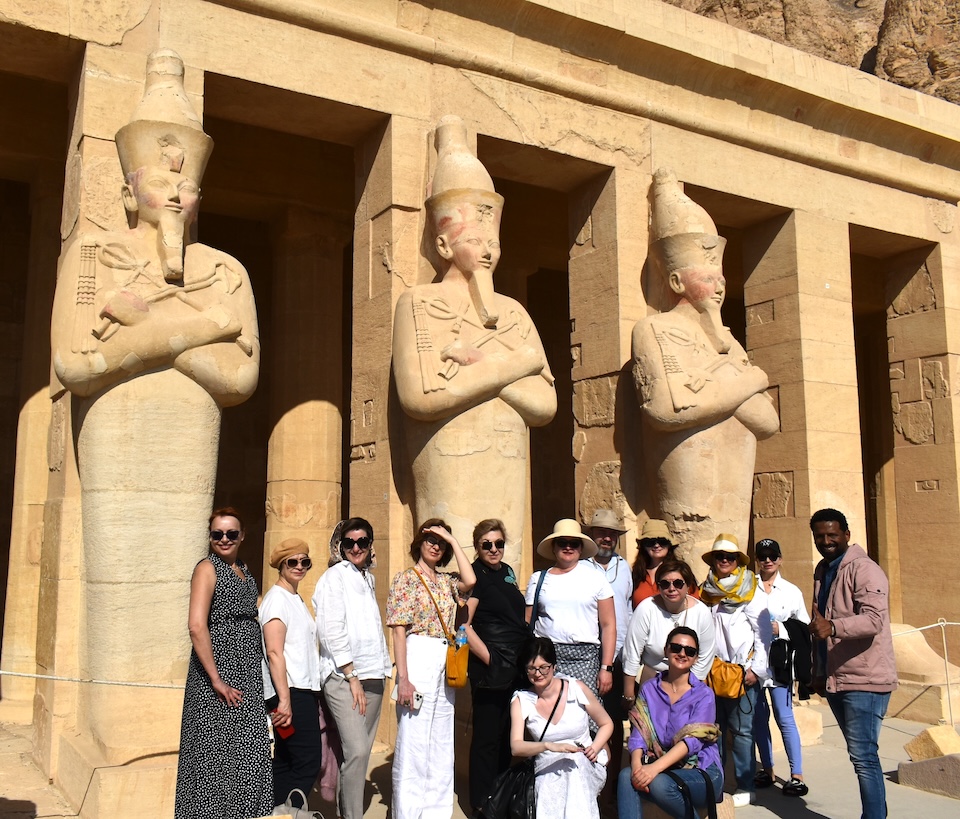
The mortuary temple of Hatshepsut: It was built for Hatshepsut, one of Egypt’s few female pharaohs, and it is famous for its unique three-terraced design, built into the cliffs of Deir el-Bahari. The temple celebrates Hatshepsut’s successful reign and her famous trading expedition to the Land of Punt and is considered one of the masterpieces of ancient Egyptian architecture.
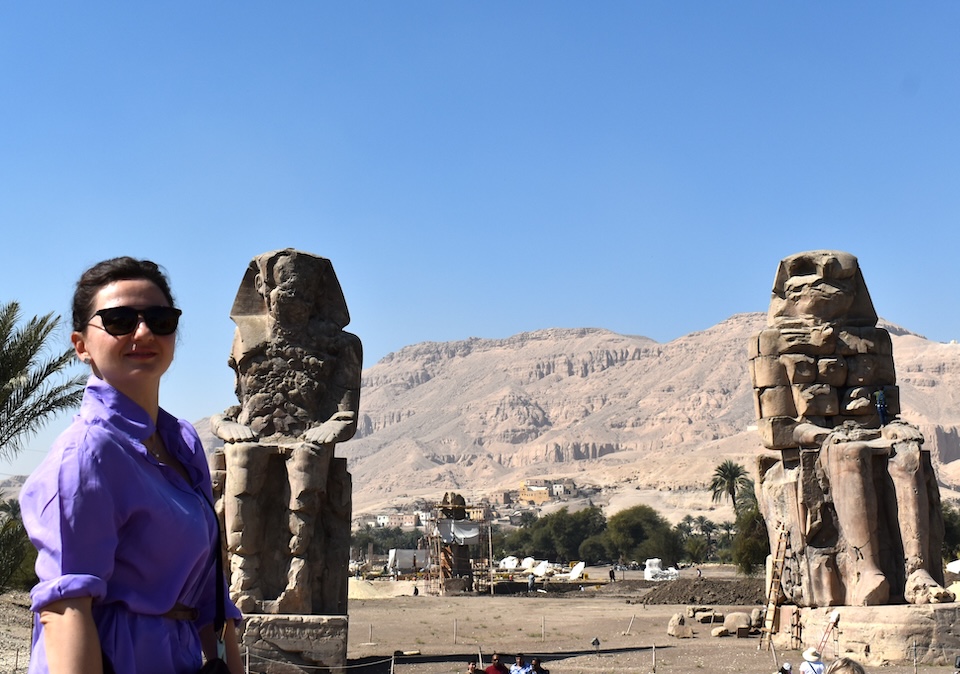
Colossi of Memnon: These are two giant stone statues of Amenhotep III, where each statue stands about 18 meters (60 feet) tall and has guarded the entrance to his mortuary temple for over 3,400 years. The statues were carved from massive blocks of quartzite sandstone transported from near Cairo. In ancient times, one statue was famous for producing a mysterious sound at sunrise after an earthquake, leading the Greeks to associate it with the hero Memnon, and today, the Colossi of Memnon are among Luxor’s most photographed landmarks and a popular stop for visitors exploring the West Bank.
Things to do in Luxor
You will have a bunch of activities to perform in Luxor if you’re interested in history and want to gain more insights about pharaohs; then explore 2 major museums in Luxor during your stay.
Luxor Museum
It was opened in 1975 and is located on the Nile Corniche, from where tourists can enjoy the east banks of the River Nile. The museum houses treasures from the tomb of Tutankhamun, along with 26 statues discovered at Luxor Temple in 1989. Visitors can also see the royal mummies of Ahmose I and Ramesses I, which were added to the museum in 2004, as well as a reconstructed wall from Akhenaten’s temple at Karnak. One of the museum’s most famous exhibits is a calcite double statue of the crocodile god Sobek and Pharaoh Amenhotep III, making it one of the highlights of any visit.
Visitor details:
Opening hours
In Summers: 9:00 AM–1:00 PM and 5:00 PM–8:00 PM
In Winters: 9:00 AM–1:00 PM and 5:00 PM–8:00 PM; the last entry time varies upon season.
Ticket Price (Foreign Visitors):
Adult: EGP 400 (approximately US$8)
Student: EGP 200 (approximately US$4) requires valid education proof.
Mummification Museum
The Mummification Museum opened in 1997 and is dedicated to explaining the ancient Egyptian art of mummification. It is located on the Nile corniche, just north of Luxor Temple, which makes it easier to access after exploring the temple. The museum displays human and animal mummies, including cats, crocodiles, and fish, showing that Egyptians mummified both people and sacred animals, and visitors can see the tools, embalming materials, canopic jars, amulets, coffins, and funeral objects used during the mummification process. One of the museum’s highlights is the mummy of Masaharta, a High Priest of Amun from the 21st Dynasty, along with more than 60 artifacts explaining ancient Egyptian burial traditions
The Visitor’s necessary information
Opens Daily: 09:00 AM-01:00 PM, 05:00 PM-08:00 PM
Ticket Price (Foreign Visitors)
Adults: 220 EGP, approximately US$4.50
Student: 110 EGP, approximately US$2.25 (exchange rates may vary according to the time and year you are visiting for both the museums in Luxor).
What to do in Luxor
Sunrise Hot Air Ballooning: Experience a breathtaking hot air balloon ride at sunrise and watch Luxor’s temples, the Nile River, and green farmlands come to life from above. It is one of the most memorable ways to admire the city’s ancient landscape and stunning morning views; you can book with Nile Cruisen.
Countryside Horse Riding: Ride through Luxor’s peaceful countryside, passing traditional villages, palm groves, and fertile farmland during a horse-drawn carriage ride.
Bicycle Rentals: Rent a bicycle and explore Luxor at your own pace. Cycle along the Nile Corniche, through quiet villages, or around nearby temples while discovering hidden streets, local cafés, and everyday Egyptian life beyond the main tourist attractions.
Banana Island Day Trip: Take a short boat ride to Banana Island, a peaceful retreat surrounded by lush banana plantations, and walk through gardens, sample and taste the fruits, and enjoy a relaxing escape from the city.
Felucca Sailing: Sail on a traditional wooden felucca and enjoy the peaceful beauty of the Nile River.
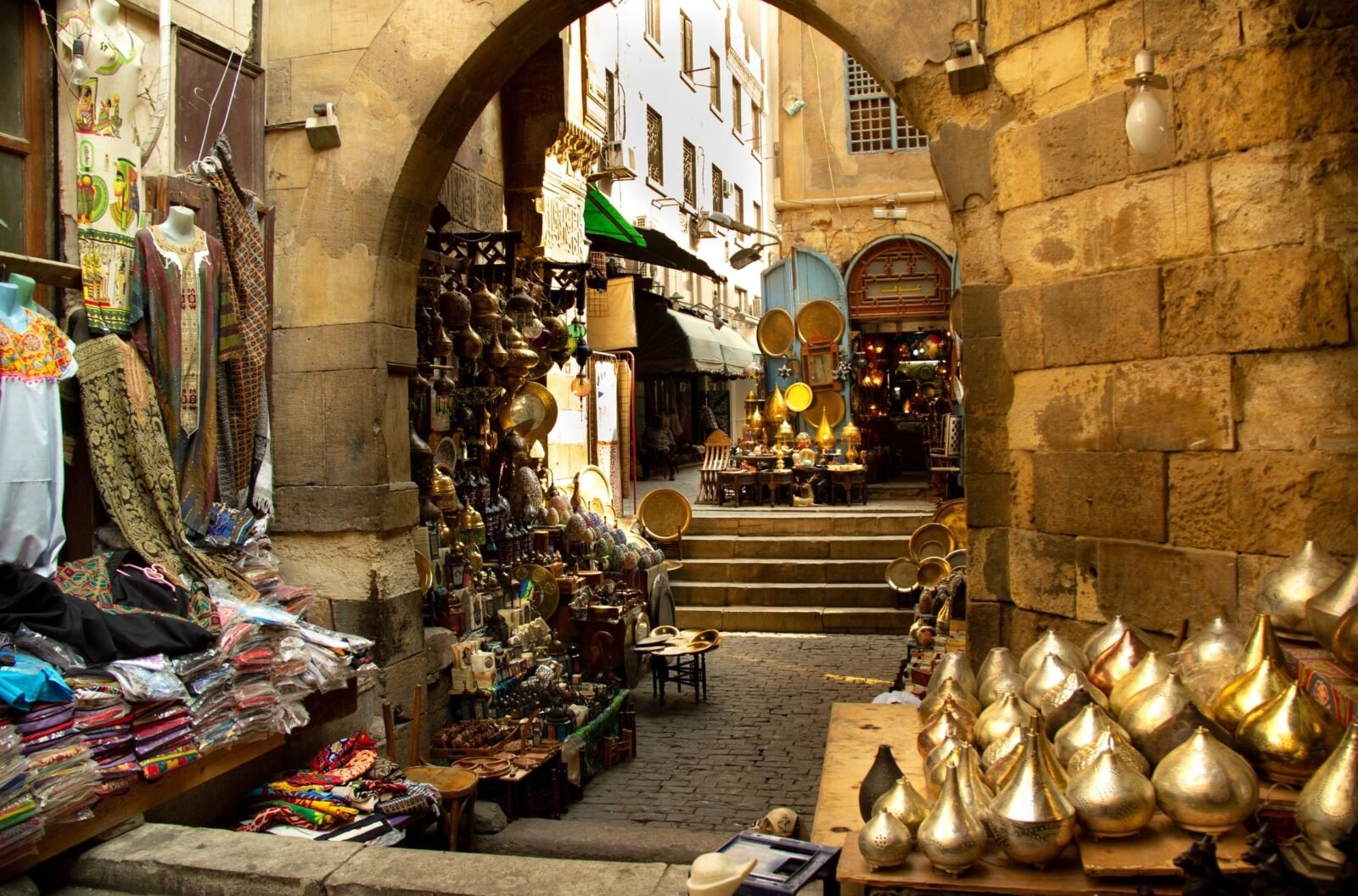
Explore markets: Discover the lively atmosphere of Luxor’s local markets, where you can browse handmade souvenirs, spices, clothing, jewelry, perfumes, and traditional crafts, as it is an excellent place to experience Egyptian culture.
Check out the packages with Luxor Tours.
At Nile Cruisen, we have more than 100 listed cruises and various Egypt tours. All these packages include Luxor tours covering major historical landmarks. Other than that, you can take the following:
- Luxury Nile Cruise And Hot Air Balloon Ride Package
- Hot Air Balloon Ride Luxor
- Sekhmet Private Opening of the Ptah Temple at Karnak
- The Private Access Journey of the Karnak Temple Complex
FAQs
Is it safe to walk around Luxor?
Yes, it is safe to walk around in Luxor; crimes against the tourists are rare, but stay alert to pickpocketing and market scams and avoid local crowded places. Try visiting the markets, especially with a tour guide.
How many days in Luxor is enough?
2-3 days are ideal to explore Luxor; if you are taking a Nile cruise in Egypt, then prefer one from Luxor to Aswan, as you will be spending two days in the city, and by arriving a day before, you can explore markets and nearby Banana Island with a relaxed pace of cruising.
What is the ideal way to explore around Luxor?
A tour bus or private taxi can be best for tourists, but book taxis from a trusted travel company only to get reliable services.
Why did the pharaohs choose Luxor as a religious capital?
Luxor city, or “Thebes” as it was known in the past, was not just a political capital during the New Kingdom, but was the spiritual and religious heart of Egypt, for several reasons:
- The rise of the God Amun: with the beginning of the New Kingdom of Pharaohs between 1550 BC and 1069 BC, “Amun” (the local god of Thebes) became the chief of the gods, merged with the sun god to become “Amun-Ra.” Because Thebes was his city, it became a center for pilgrimage and worship.
- The symbolic geographical division: the pharaohs divided Luxor with smart construction along the sun path, so they made the East Bank, where the sun rises, the city of the living, and built colossal temples like Karnak and Luxor for worship of the gods. And made the West Bank, where the sun sets, the city of the dead, establishing the Valley of Kings and the Valley of Queens and the funerary temples there.
The wealth and power: The victories of the Pharaohs in that time brought huge wealth from all over the empire, and this wealth was poured into expanding the temples of Luxor to become the largest religious complexes in history.
Explore Egypt: The Best Packages for Luxor Visit
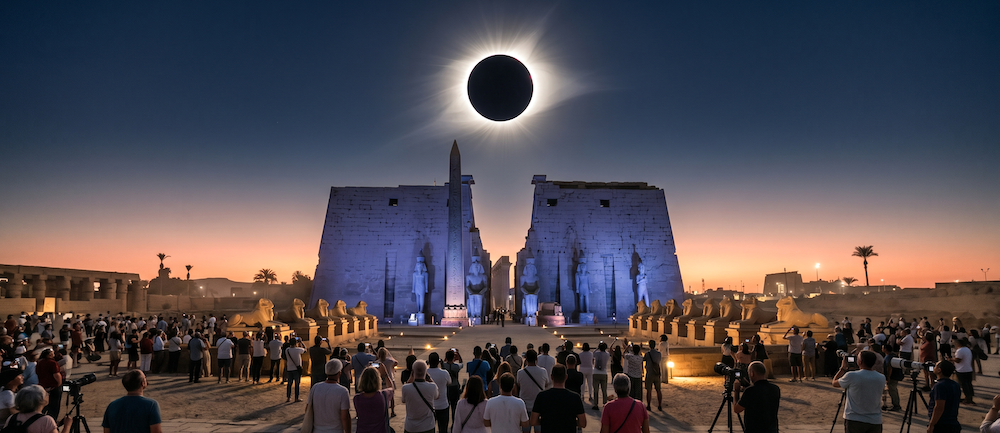
Luxor Eclipse 2027: An exceptional Nile Cruise trip - Magic II Nile Cruise (5 days)
Start from
$2899 / U$D
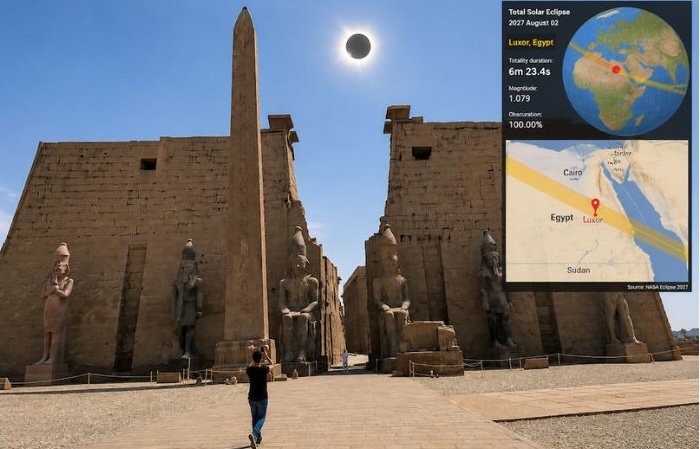
2027 Total Solar Eclipse Tour: Nile Cruise & Luxor
Start from
$2450 / U$D
Nile cruise trip from Cairo to Luxor – 6 days
Start from
$899 / U$D
Trusted Partners
Nile Cruisen: Chosen by Leading Brands as Egypt's Top Cruise Operator