 Mahmoud Ali (Ocean)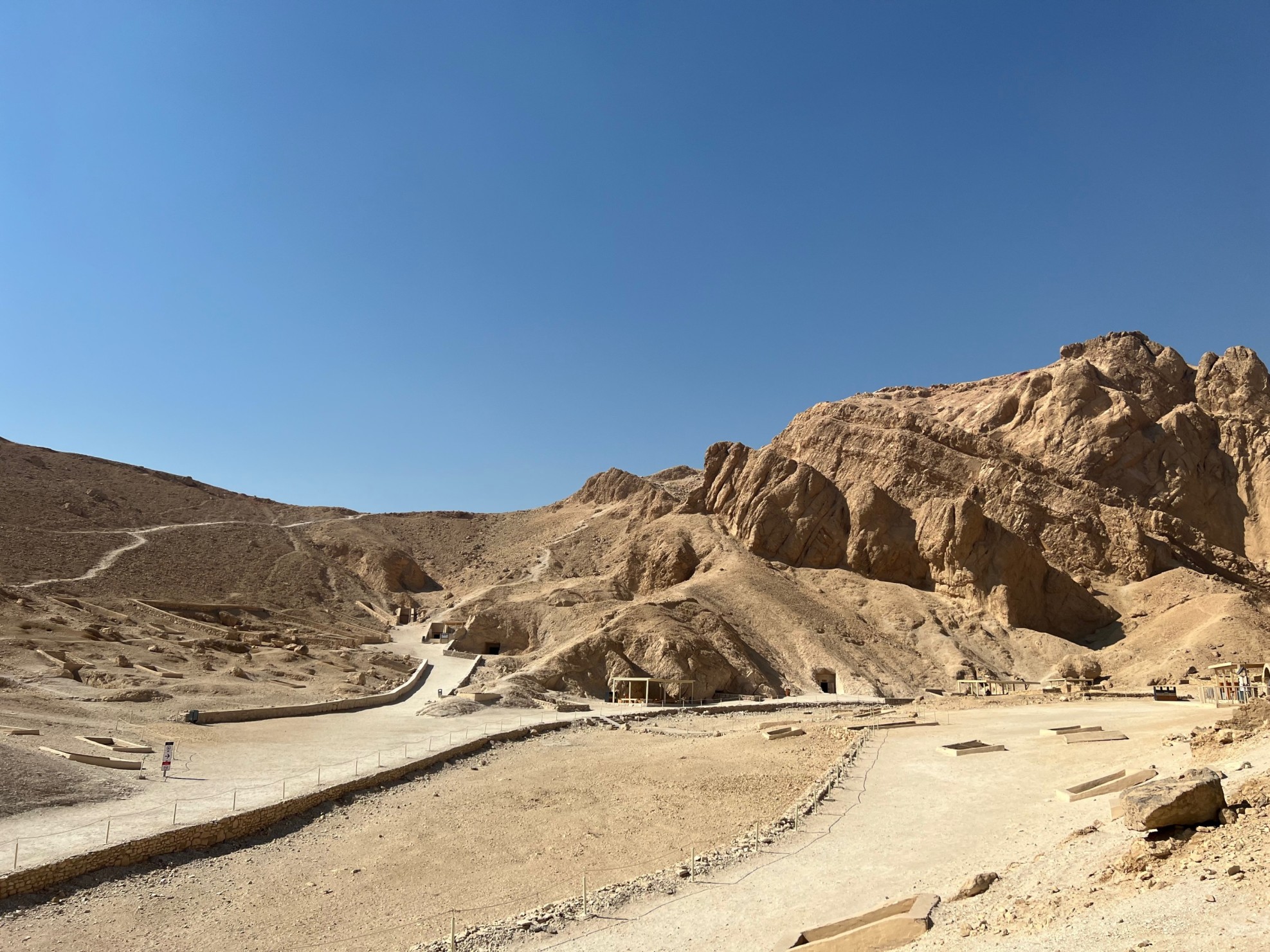
The Valley of the Queens is one of the most important ancient burial sites, which is located on the west bank of the Nile in Luxor. The Valley of the Queens was a New Kingdom burial site that was used for queens and other members of the Egyptian royal family, including princes and princesses.
The Valley of the Queens was known as Ta-Set-Neferu in ancient Egypt, often translated as ‘Place of Beauty’; it is famous for the tomb of Queen Nefertari because it is one of the most beautifully decorated tombs in ancient Egypt.
Table of Contents:
-
Where is the Valley of the Queens?
-
Who Is Buried In the Valley Of The Queens?
-
Notable Tombs in the Valley of the Queens
-
The Tomb of Queen Nefertari
-
Why is the Valley of the Queens Important?
-
Is the Valley of the Queens Worth Visiting?
-
What Are the Key Differences Between the Valley of the Kings and the Valley of the Queens?
-
Which One Should You Visit, the Valley of the Kings or the Valley of the Queens?
-
Best Time to Visit the Valley of the Queens
-
Tips for visiting the Valley of the Queens
-
How Can I Include the Valley of the Queens in My Nile Cruise Trip?
-
FAQs
Where is the Valley of the Queens?
The Valley of the Queens is situated on the west bank of the Nile in Luxor, Egypt. It is situated near some other major sites of ancient Egypt, including the Valley of the Kings and Deir el-Medina, making it convenient to combine it with several other West Bank attractions in one visit.
Who Is Buried In The Valley Of The Queens?
The Valley of the Queens was used as a burial site for the members of Egyptian royal families during the New Kingdom. People buried here include the following:
- Queens of ancient Egypt
- Princesses
- Princes
- Other members of the royal family
Queen Nefertari is one of the most prominent people buried here; she was the wife of Pharaoh Ramesses II. Her tomb is considered one of the finest examples of ancient Egyptian tomb decoration.
However, the name suggests that only queens were buried here, but in reality it also contains tombs connected with royal children and other important people.
Notable Tombs in the Valley of the Queens
The Valley of the Queens contains many tombs that are associated with members of the royal family and other individuals; however, not all of these tombs are accessible to visitors.
Queen Nefertari: Queen Nefertari was the principal wife of Ramesses II; her tomb, QV66, is one of the most famous tombs present in the Valley of the Queens. Her tomb is renowned for its detailed and colorful wall paintings.
Prince Khaemwaset: Prince Khaemwaset was the son of Ramesses III. His tomb, QV44, provides an example of the burials that were created for royal princes in the Valley of the Queens.
Prince Amunherkhepshef: He was another son of Ramesses III; his tomb, QV55, is notable for its decorated scenes and representations connected with the prince’s burial.
Queen Titi: Queen Titi’s tomb, QV52, contains religious scenes, and it also provides evidence regarding the funerary traditions associated with royal women during the New Kingdom.
The tombs provide valuable information regarding how the ancient Egyptians prepared different members of the royal household for the afterlife. Moreover, their paintings also offer valuable insights into New Kingdom religious beliefs, funerary traditions, and ancient Egyptian art.
The Tomb of Queen Nefertari
The tomb of Queen Nefertari is one of the main attractions in the Valley of the Queens. Nefertari was the principal wife of Pharaoh Ramesses II. In 1904, an Italian archaeological mission led by Ernesto Schiaparelli discovered her tomb.
Queen Nefertari’s tomb, QV66, is famous because of its colourful wall paintings and detailed scenes showing Nefertari’s journey through the afterlife.
Why is the Valley of the Queens Important?
The Valley of the Queens is considered important because it provides insight into the burial customs, lives, and religious beliefs that are associated with royal women and children during the New Kingdom.
Moreover, the decorated tombs in the Valley of the Queens also provide valuable information regarding the scenes and religious texts that helped historians to understand how ancient Egyptians viewed death and the afterlife.
The Valley of the Queens is part of the Ancient Thebes and its Necropolis UNESCO World Heritage Site. This recognition highlights the historical and cultural importance of the valley and the need to preserve its ancient tombs and artwork for future generations.
Is The Valley Of The Queens Worth Visiting?
Yes, visiting the Valley of the Queens is worthwhile, especially for history and archaeology enthusiasts because it provides a perfect opportunity to see royal tombs and ancient Egyptian art.
Tombs: The tombs present in the Valley of the Queens provide tourists with valuable information regarding burial traditions of queens, princes, princesses, and other members of the royal family.
Ancient Egyptian art: Ancient ideas about the gods, death, and the afterlife are revealed through the vibrant scenes painted on the tombs and walls in the Valley of the Queens.
Queen Nefertari: Queen Nefertari is one of the most important highlights of the site. It is famous because of its exceptionally detailed and colorful wall paintings.
Easy to combine with other sites: It is easy to combine the Valley of the Queens with other tourist attraction sites, including the Valley of the Kings, because they both are located on the West Bank of the Nile River in Luxor.
What Are the Key Differences Between the Valley of the Kings and the Valley of the Queens?
Both valleys are burial sites, but they served different purposes.
| Feature | Valley of the Kings | Valley of the Queens |
| Location | West Bank of Luxor | West Bank of Luxor |
| Main purpose | Burial of pharaohs and favored nobles. | Burial of queens, princesses, princes, and other members of royal families |
| Famous Tomb | Tutankhamun (KV62) | Queen Nefertari (QV66) |
| Main attraction | Royal tombs and pharaohs | Royal, family, and Nefertari’s tomb decoration |
Which One Should You Visit, the Valley of the Kings or the Valley of the Queens?
If you have enough time, then it is suggested to visit both because the sites offer different perspectives on ancient Egyptian royal burial tradition. But still, if you want to choose one, then you can choose the Valley of the Kings if you are interested in pharaohs and famous rulers such as Tutankhamun, while you can choose the Valley of the Queens if you are interested in learning about royal women, princes, princesses, and some of the most colorful funerary paintings of ancient Egypt.
Best Time to Visit the Valley of the Queens
Most travelers often choose the months between October and April because during these months the temperatures are generally more comfortable for exploring the outdoor archaeological sites.
October to November: However, the temperature is warm during these months but considered more comfortable than summer.
December to February: Experienced travelers often prefer to travel in this season, as during these months the weather is cooler; however, sites can also be busier.
March to April: During these months, the temperature is warmer but more comfortable than the hot summer months. March is more comfortable than April, as the temperature can start to rise in April.
Whether you are planning to visit in summer or winter, it is suggested to visit the Valley of the Queens in the early mornings, as the temperature is more comfortable and you can also avoid the strongest heat later in the day. Moreover, an early morning visit will also allow you to plan to explore other attractions on Luxor’s west bank, such as the Valley of the Kings, Temple of Hatshepsut, etc.
Tips for visiting the Valley of the Queens
- Wear comfortable walking shoes
- Carry water, especially if you are planning to travel in hot weather.
- Wear lightweight cotton or linen clothes
- Bring sunscreen, sunglasses, and a hat
- Before confirming the tickets, make sure that the sites are open for visitors or not.
- Check whether any special ticket is required for any tomb that you want to visit.
- Follow photography rules inside the tombs
- Avoid touching walls
How Can I Include the Valley of the Queens in My Nile Cruise Trip?
Do you want to explore more of Luxor’s ancient royal heritage? Then you can add the Valley of the Queens to your Nile River cruise journey. Many cruise operators offer a variety of Nile cruises between Aswan and Luxor, with different itineraries and sightseeing.
Travelers who want to explore the Valley of the Queens can also consider a Nile Cruisen, as the Valley of the Queens is available as an optional excursion on our selected itineraries. Our standard sightseeing itineraries include major Luxor attractions, including the Valley of the Kings, Hatshepsut Temple, etc.; however, choosing the optional Valley of the Queens excursions will allow you to explore another important part of the Theban Necropolis.
The Valley of the Queens is located only a few kilometers from the Valley of the Kings, which allows travelers to include both sites during a visit to Luxor’s west bank. Availability and access to individual tombs may vary, so it is suggested to check the details of the selected Nile Cruisen itinerary before booking.
FAQs
How much time do I need at the Valley of the Queens?
To explore the Valley of the Queens, most visitors need 1-2 hours; however, the exact time depends on factors including the itinerary and which tombs are open.
What can I see at the Valley of the Queens?
If you are planning to visit the Valley of the Queens, then you will get an opportunity to see ancient royal tombs decorated with paintings, inscriptions, religious scenes, and representations of gods and goddesses.
Can I visit the Valley of the Queens?
Yes, you can visit the Valley of the Queens; however, access to individual tombs can change because of conservation and site management requirements.
How far is the Valley of the Queens from the Valley of the Kings?
The two sites are only a few kilometers away from each other. Their distance makes it convenient for travelers to include both valleys in the same trip.
Is Queen Nefertari’s Tomb Open to Visitors?
You can visit the Valley of the Queens, but due to conservation work and preservation requirements, access to individual tombs can change. If you are planning to visit Nefertari’s tomb, then it is suggested to check the latest ticketing and opening information.

Mahmoud Ali (Ocean)
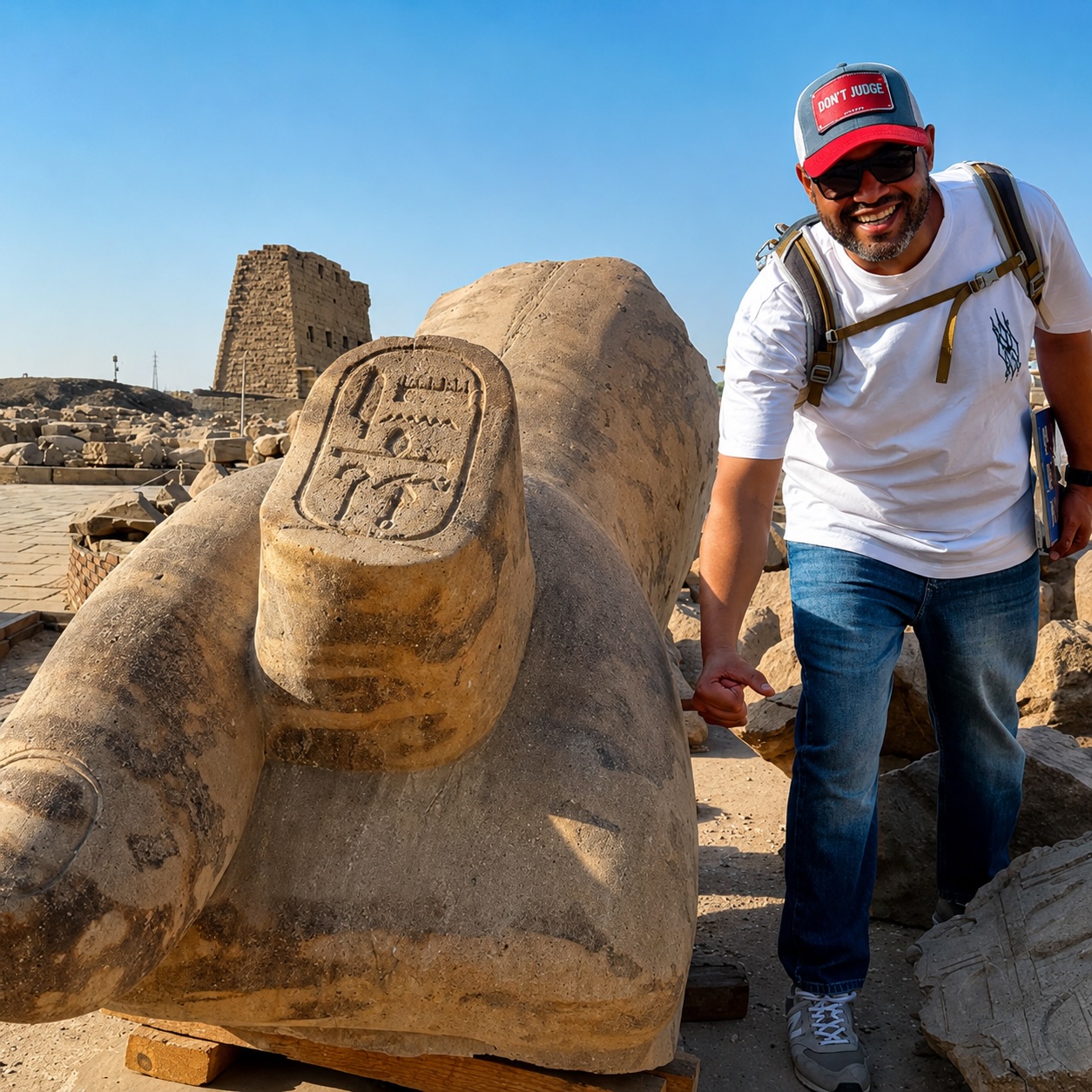
Mahmoud Ali, affectionately known to our guests as "Ocean," began his career as a tour guide in 2007 and quickly established himself as one of the very best in Luxor. He brought his expertise to Nile Cruisen in 2012 as a dedicated guide. Today, through his exceptional leadership, he serves as our Chief Tour Guide and Luxor Operations Manager. When he is free, Ocean is deeply passionate about travel and photography.
- Mahmoud Ali (Ocean)
- Mahmoud Ali (Ocean)
- Mahmoud Ali (Ocean)
- Mahmoud Ali (Ocean)