Egypt is, of course, famous for its beautiful temples, magnificent temples and great mythology. Djed Pillar was one of the most important symbols of all; an ancient Egyptian symbol that symbolized stability, strength, endurance, and resurrection. This powerful symbol was intimately linked with the deity Osiris and played a vital part in Egyptian temple worship and funerary practice. So if you love Egyptian mythology, you love mysterious symbols, or are even planning a trip to Egypt, make sure you read up on the Djed!
What Is the Ancient Egyptian Djed Pillar Symbol?
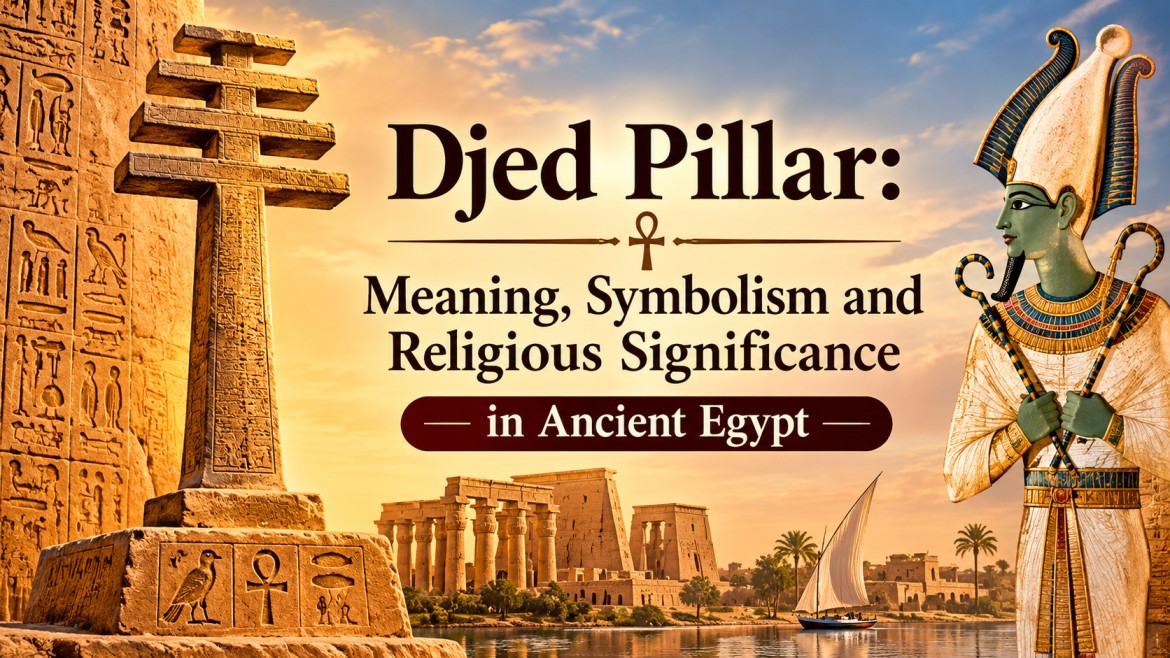
The ancient Egyptian Djed Pillar is one of the oldest and best-known symbols of Egyptian religion. The Djed Pillar consists of a tall pillar with several horizontal bars placed on top. The origin of the pillar’s physical representation is uncertain, although it was probably a bound tree or even a column made from plant matter. It eventually became strongly linked with Osiris, the Egyptian god of the underworld, resurrection and rebirth. But the Djed Pillar wasn’t just a pretty ornament. To the ancient Egyptians, it stood for the cornerstone of strength and life’s endurance after death.
Djed Pillar Hieroglyph: Appearance and Meaning
The Djed Pillar hieroglyph is thought to be a symbol of strength and long life in ancient Egyptian hieroglyphs and religious iconography.
Its distinctive design generally includes:
- A long vertical shaft showing the main shaft, which is the pillar.
- Three or four horizontal crossbars toward the top.
- A wide base that produces the present shape of the sign.
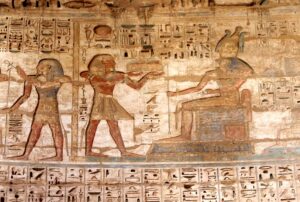
- This symbol can be seen often in temple wall paintings, decoration on tombs, charms and other religious objects. It is sometimes shown paired with other Egyptian symbols, like the Ankh (symbol for life) and the Was sceptre (symbol for power and authority).
- The Djed hieroglyph made a statement: strength, stability, and life went on.
What Does the Djed Pillar Represent?
Before finding out what the Djed Pillar symbol means, let us look at the link it has with Egyptian Mythology.
The insignia has many significances:
1. Stability and Strength
The foundation of the Djed Pillar is stability. It stands for strength, endurance, and survival. Egyptians believed stability in both the world and society was something that should be maintained and preserved.
2. The Backbone of Osiris
Perhaps the most significant of these symbols ties the Djed Pillar symbol to the backbone of Osiris. As per Egyptian religious beliefs, the symbol was interpreted as the spine of the god, which was highly associated with his resurrection. The relationship established made the Djed Pillar a key feature of funerary thinking and rituals.
3. Resurrection and Eternal Life
Osiris represented death, resurrection, and the afterlife. As his restored backbone was represented by the Djed, it also came to be a symbol of the renewal of life after death.
4. Protection and Endurance
Ancient Egyptians relied on Djed-shaped amulets to protect their spirits and accompany the deceased on the journey into the afterlife. These objects embody their faith that life continues after death.
Meaning and Symbolism of the Djed Pillar in Egyptian Culture
The Djed Pillar was regarded as a sacred object in ancient Egypt. As such, it was a symbol of the universe, the king’s power, and the life cycle, apart from its use in religious practices. Its link to Osiris tied it to nature’s seasonality, agricultural regrowth, and the return of life. The Ankh would also be placed with other strong Egyptian symbols. In conjunction with the Ankh, this symbol would also be able to convey the two meanings of life and stability. To the ancient Egyptians, these ideas were all tightly intertwined. A secure world was also one in which life, prosperity, and divine balance persisted.
Use of the Djed Pillar in Religion and Rituals
The Djed Pillar was also used extensively in religious ceremonies, especially in connection with the god Osiris and his followers.
-
The Raising of the Djed Pillar Ceremony
The Raising of the Djed Pillar was one of the most important religious rituals.
At this event, a Djed column was erected. The activity represented the return of Osiris, his triumph over death, and a rebirth of stability and life.
The festival was especially related to the worship of Osiris and Sokar, an Egyptian deity also related to the afterlife.
2. Funerary Practices and Mummification
Djed-shaped amulets played a significant role in Egyptian burial practices. They were positioned alongside mummies to offer protection and to represent the regeneration of the deceased’s vitality. The Ancient Egyptians were of the opinion that these were actually lucky amulets that helped their loved ones to make a smooth trip to heaven.
3. Temple Decorations and Religious Art
Djed Pillar symbols showed up on temple carvings, in tomb art and in religious pictures. They were occasionally placed near gods, pharaohs and holy symbols.
These images emphasized the significance of stability, godly assistance, and rebirth in Egyptian spirituality.
Discover the Spiritual Heritage of Ancient Egypt
The Djed pillar symbolizes the nature of life and death, stability, and rebirth that the ancient Egyptians fully grasped. The symbol of Osiris and its role in spiritual rituals shows the faith the Egyptians placed in eternal life.
Visitors touring Egypt’s glorious temples, tombs and archaeological locations in the present day will find probably the most there are countless examples of Egyptian imagery. From the temples of Luxor and Karnak to the ruins of Abydos, you can experience even more.
Book a Nile Cruise in Egypt by contacting Nile Cruisen to explore Egypt’s history from ancient to the modern day.

This article was created by the team at Nile Cruisen, one of the best tour operators in Egypt for Nile cruises and tailor-made Egypt tours.
With years of experience sailing between Luxor and Aswan, our team knows the Nile better than anyone.
We share trusted travel advice, from the best time to visit and what to pack to simple tips for avoiding crowds.
Our goal is to help you enjoy the timeless beauty of Egypt with comfort, confidence, and an unforgettable travel experience.
- Nile Cruisen Team
- Nile Cruisen Team
- Nile Cruisen Team

- Nile Cruisen Team