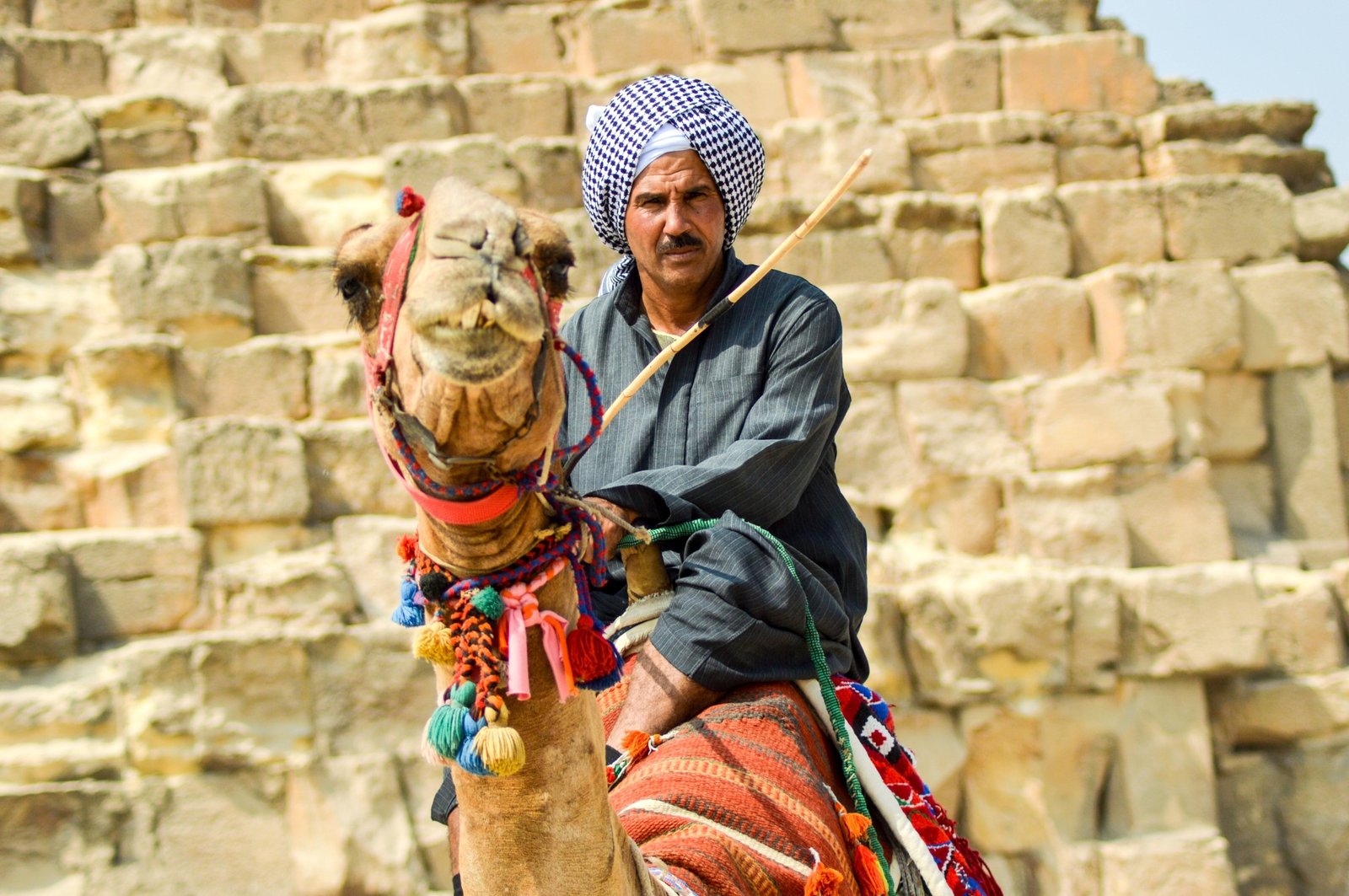
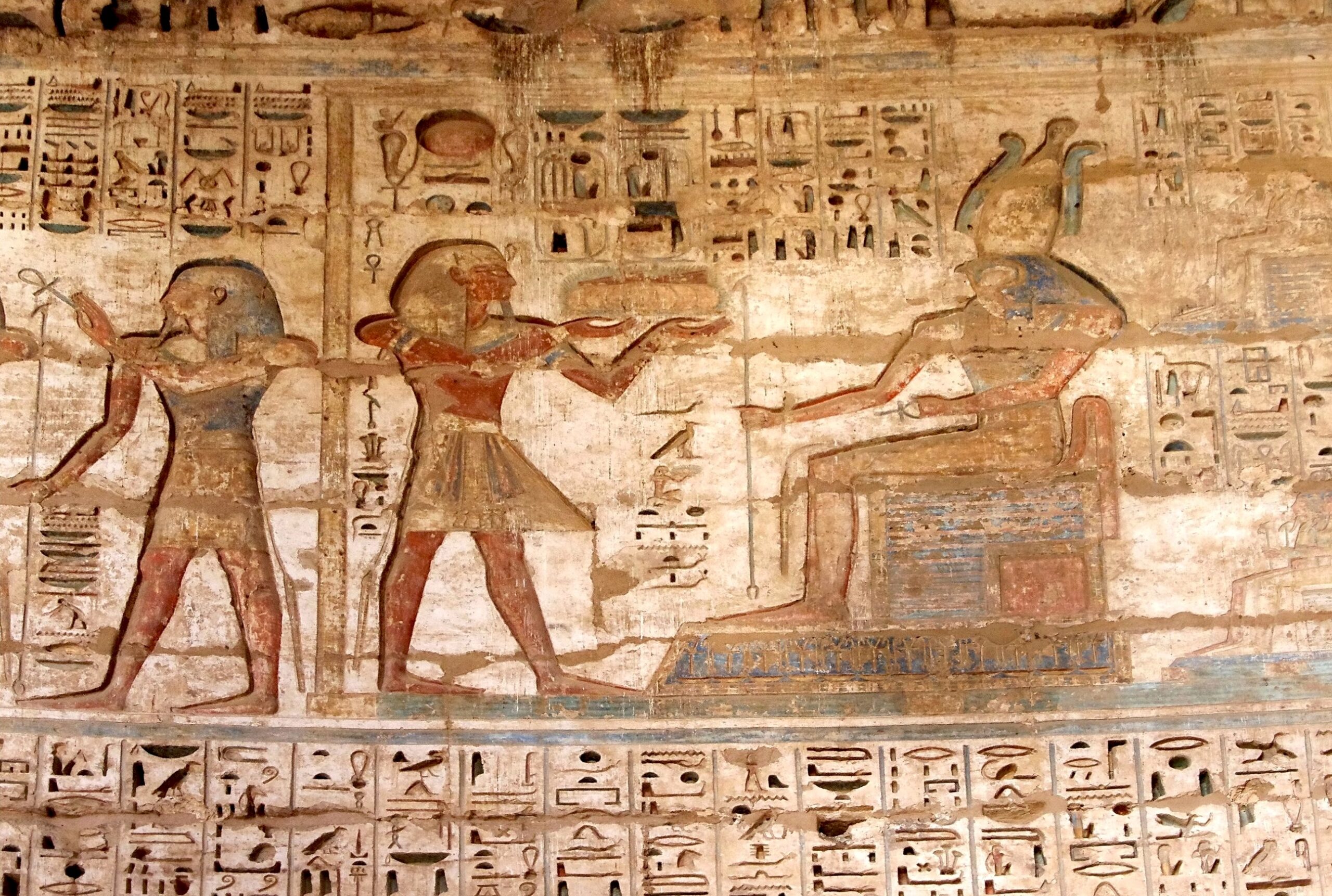
People travel to Egypt to see the pyramids, learn about the history of its great pharaohs and witness an amazing civilization that attracts people from all over the world. There are a variety of attractions that you can visit, from the temples of Luxor to the royal tombs of the Valley of the Kings. However, apart from these attractions and cultural achievements, you might have a question in mind: How long did ordinary ancient Egyptians actually live?
The rate of life expectancy in ancient Egypt was quite low. Much evidence shows that people in ancient Egypt survived to 20-25 years of age. But it can’t be said that most people died when they were in their 20s. Childhood diseases, healthcare, childbirth, access to medical treatment, occupation and environmental conditions were factors that influenced life expectancy. Those who survived childhood reached their 30s, 40s, or even older.
What Was the Life Expectancy in Ancient Egypt?
Life expectancy in ancient Egypt was much shorter than it is today. Studies indicate that the average life expectancy at birth was about 20-25 years, although this figure may vary depending on the period of Egyptian history. Because most of the babies and young children died before they got to be grown. Many factors made life difficult, including poor sanitation, diseases, inadequate nutrition and complications in childbirth.
But those who survived childhood usually lived a lot longer. Some people died at the age of 30 or 40, while some people lived for 50 years, 60 years, or even beyond. Wealthy people and royal families could afford medical services and better food; that’s why they lived longer.
What Was the Average Life Expectancy in Ancient Egypt?
If we talk about an average life expectancy, it could range between 20-25 years at birth. Due to incomplete demographic records, it is crucial for you to interpret these figures carefully. This is the reason why researchers rely on inscriptions and archaeological remains. The thing that needs careful attention is the difference between life expectancy at birth and the lifespan of those who survived childhood.
For example, a population with high infant and childhood mortality might have a low average life expectancy at birth, although many adults live into middle age.
Here is a simplified overview:
| Population or age group | Approximate lifespan |
| Life expectancy at birth | 20–25 years |
| People surviving childhood | Could reach their 30s and 40s |
| Some adults | Reached their 50s or 60s |
| Exceptional individuals | Sometimes reached 70 years or older |
These figures are broad historical indications, not precise demographic measurements for every social group.
Did Men and Women Have Different Life Expectancies?
There might be health dangers that were different for men and women. For women there were health dangers of pregnancy and childbirth. Lots of them would have had a larger number of children and as a result, the danger to the woman’s health grew, for there was a high number of children born. The blood loss and infection from childbirth was also a danger in ancient civilisations as there was no formal health care. Men’s work as well, and men relied on themselves to do all the work. Men worked in the quarry, building things, farming, and working in the army. These occupations meant that men suffered heavily from the work of quarrying and building, fighting, as well as injuries and the strain of prolonged periods of work. However, despite the importance of these industries, there is some difficulty in discerning a difference in life expectancy between males and females because of the differences in surviving artefacts.
What was the reason for the low life expectancy in Ancient Egypt?
The points below are some of the top reasons that contributed to the low life expectancy in Ancient Egypt:
1. Numerous infant and childhood deaths
Among the reasons for the low expectancy, the fact that many children died at an early age was one of the main reasons. Infants and small children died of infectious diseases, respiratory infections, stomach illnesses and nutritional deficiencies because they are very susceptible.
2. Infections & Parasites
One more problem that the ancient Egyptians had to face was infectious diseases. The way in which people lived, their close proximity in large communities, their contact with animals and reliance on the Nile River meant that there was a high chance that various infections and parasites could be transmitted. These are the major diseases:
-
Malaria
-
Tuberculosis
-
Schistosomiasis
-
Intestinal parasites
-
Gastrointestinal infections
3. Contaminated Water
The Nile River has always been a significant part of early Egyptian culture. It was their main source of water, the means of transportation, as well as helping their agricultural economies and providing a beautiful environment to the people who settled beside its banks. Despite the over usage of the river water, it did cause health problems.
4. Few Treatment Options and Medical Knowledge
The ancient Egyptians did have medical knowledge of that era. Doctors used to heal people with herbal medicines, treat those who suffered from wounds, and make manuscripts of their knowledge on papyrus. But they lacked the scientific aspect of their medical knowledge. They could not understand the concept of viruses and bacteria, and they didn’t have surgical methods, antibiotics, or testing apparatus.
5. Hazardous Jobs and Manual Work
The work was harder, though and people did more tilling of the land, crafts and heavy manual work and this could cause chronic pain. Life was active but in the harsh work, we can also see that ill health and a lack of life were often the result.
Did Anyone Live to an Old Age in Ancient Egypt?
Very few ancient Egyptians lived to a ripe old age, but some did. It was certainly possible to live into your nineties, such as Ramesses II, who reached his early 90s and ruled the country for 66 years.
How Do Historians Calculate Life Expectancy in Ancient Egypt?
The factors that were used to determine the life expectancy of someone in ancient Egypt are:
- Skeletal remains: Evidence of physical stress, age, and some diseases can be seen in human bones and teeth.
- Mummies: Forensics can study diseases, diseases of the teeth, injuries and many other health factors in the mummies.
- Tomb inscriptions: Biographical details, relationship to family, specific titles held, age of person.
- Historical papers: Medical papyri and diary entries are other written resources that shed light on health and life.
Conclusion
In ancient Egypt, life expectancy was dependent upon child mortality rate, nutrition, obstetrical complications, labor, infections, and the environment.
To find out more about historic sites in Egypt, you can also reserve a Nile cruise in Egypt by contacting Nile Cruisen.

This article was created by the team at Nile Cruisen, one of the best tour operators in Egypt for Nile cruises and tailor-made Egypt tours.
With years of experience sailing between Luxor and Aswan, our team knows the Nile better than anyone.
We share trusted travel advice, from the best time to visit and what to pack to simple tips for avoiding crowds.
Our goal is to help you enjoy the timeless beauty of Egypt with comfort, confidence, and an unforgettable travel experience.
- Nile Cruisen Team

- Nile Cruisen Team

- Nile Cruisen Team

- Nile Cruisen Team