 Nile Cruisen Team
 Table of Contents
-
Introduction
-
What does the sphinx represent in ancient Egypt?
-
What is the Avenue of Sphinxes in Egypt?
-
Why Is It Also Called the Avenue of the Rams?
-
When Was the Avenue of the Sphinxes Built?
-
What purpose did the Avenue of Sphinxes serve?
-
How many sphinxes are on the Avenue of Sphinxes?
-
Can you walk the Avenue of Sphinxes?
-
Practical Tips for Exploring the Avenue of the Sphinxes
-
How many sphinxes are on the Avenue of Sphinxes?
-
Conclusion
Introduction
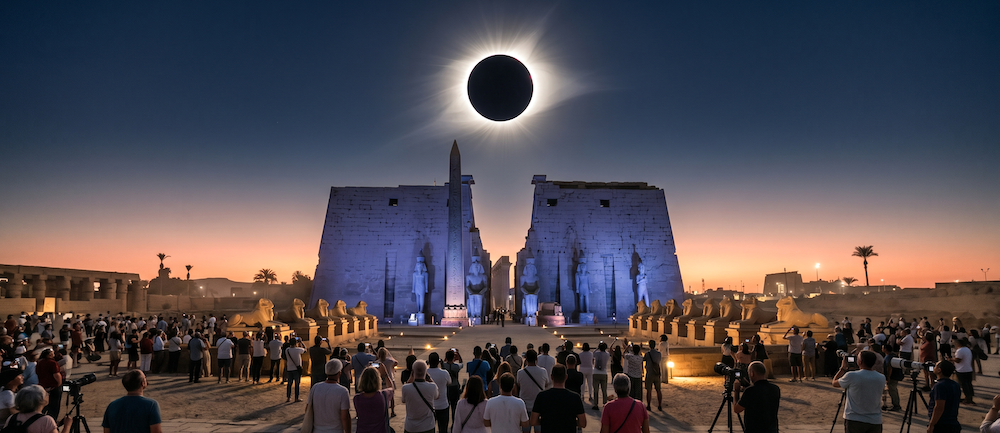
The Avenue of the Sphinx is the ceremonial road closely associated with the religious processions in Luxor that connects the Karnak temple complex and the Luxor Temple; it stretches for approximately 2.7 kilometers. which consists of around 1,057 statues, some of which are human-headed and ram-headed.
It is also known as the Avenue of the Rams and King’s Festivities Road, where statues were placed along its sides, creating a monumental pathway leading through ancient Thebes. The road is used for the religious ceremonies, royal celebrations, and the famous Opet festival. Learn more about the Avenue of Sphinxes in depth.
What does the sphinx represent in ancient Egypt?
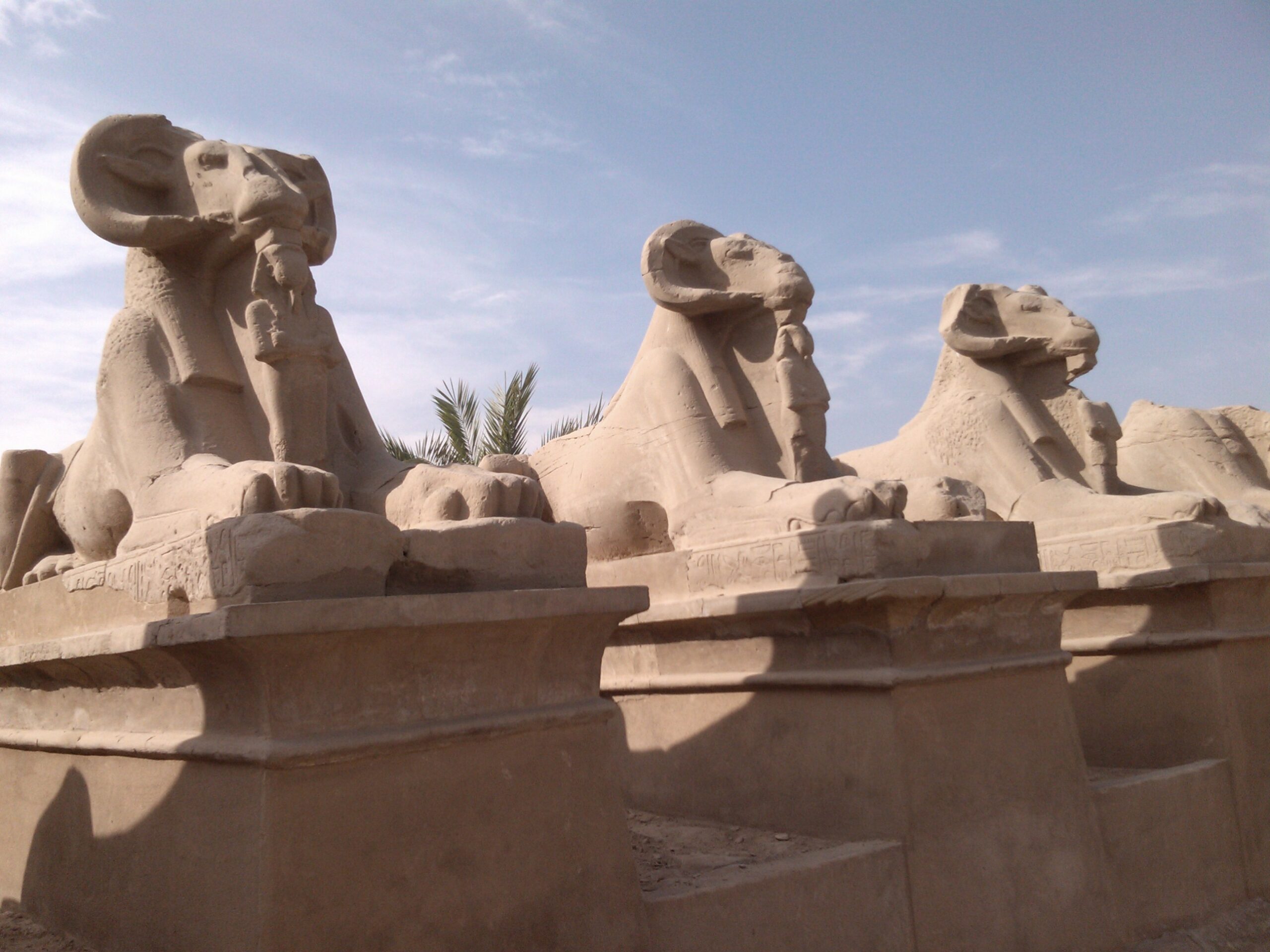
The Egyptian sphinx combines the body of a lion with a human or animal head; here, the lion’s body conveys the idea of strength and protection. At the Avenue of the Sphinx there are two types of statues: one is human-headed sphinxes, which could express royal authority and intelligence, whereas the ram-headed sphinxes were connected with the religious symbolism of Amun. This combination marks the avenue as a protected and sacred place; also, their repeated placement along the route creates a powerful visual experience for ancient processions.
What is the Avenue of Sphinxes in Egypt?
The Avenue of the Sphinxes is an ancient dromos, meaning a ceremonial processional road that connects the Luxor and Karnak temples in Luxor, Egypt. Avenues link the historical monuments together, but these were not simply buildings—they were major religious centers dedicated to the gods that are worshipped at Thebes. It is believed that walking from one temple to another was itself part of the ritual experience, and the journey transformed movement through the city into a sacred procession.
Here at the long stretch, some statues had human heads, while others had ram heads or full ram forms, but it’s not just architectural differences. These different forms were associated with different religious symbols and gods, showing that the avenue was closely connected to Thebes’ religious beliefs. Today the Avenue of the Sphinx is being viewed together with the temples, statues, religious monuments, and ceremonial activities. In this sense, the entire city landscape was organized around ancient Egyptian religious life.
Why Is It Also Called the Avenue of the Rams?
The alternative name of the Avenue of Sphinxes is the Road of Rams, and in the Egyptian language, it is called “Rams (Al-Kebash) Road. ” The name comes from the large number of ram-headed statues that were found along parts of the route and is closely associated with god Amun, who is the principal deity of the Karnak Temple complex.
The ram symbolized qualities such as strength, fertility, protection, and divine power in ancient Egyptian religious imagery. Not completely all the road has the ram-headed sphinx; the combination of human-headed and ram-headed sphinxes makes it complete.
When Was the Avenue of the Sphinxes Built?
The Avenue of the Sphinxes was not constructed under any one pharaoh; it was developed and modified over several periods of Egyptian history. Below here is mentioning the major times and periods when the construction of the Avenue of the Sphinx was in action.
New Kingdom—Early Development
The avenue’s history reaches back to the New Kingdom, particularly the 18th Dynasty, and early monuments along the route are associated with rulers such as Amenhotep III and Tutankhamun. Planning and research say that the route developed alongside the growth of the temple complexes at Karnak and Luxor.
21st Dynasty—Relocation of Statues
During the 21st Dynasty, some existing ram statues were moved and reused around the Karnak Temple complex. Also, the statues were closely connected with the worship of Amun, one of the most important gods of ancient Thebes; that’s why this period shows that the sacred landscape and its statues continued to change over time.
30th Dynasty—Major Construction and Completion
After several years a major stage in the avenue’s development took place under Nectanebo I (380–362 BCE), who is the pharaoh of the 30th Dynasty, the last native dynasty of Egypt. He constructed or completed much of the processional road and added numerous sphinx statues along its route. This is why Nectanebo I is strongly associated with the avenue as it is known today.
Later Periods—Gradual Burial
After the avenue eventually fell out of regular ceremonial use, it was gradually covered by sand, soil, and later settlement. Over centuries, much of the ancient roadway and its statues disappeared beneath the ground, while Luxor continued to develop above and around the ancient city of Thebes during the Coptic and colonial periods.
1949—Modern Rediscovery
The modern archaeological story began in 1949, when Egyptian archaeologist Mohammed Zakaria Ghoneim discovered eight sphinx statues near Luxor Temple during the first excavation. Then, between 1958 and 1961, another 17 statues were uncovered, and from 1961 to 1964, archaeologists discovered 55 more statues in the same general area. Between 1984 and 2000, archaeologists were finally able to identify and map the full route of the ancient avenue. This discovery provided important evidence of the buried processional road and encouraged further archaeological investigation.
1950s-2000s—Excavation and Restoration
After the rediscovery, Egyptian archaeologists continued excavating the avenue in several stages. More sphinxes, ram-headed statues, and sections of the ancient roadway were uncovered during the process. Over the following decades, archaeologists worked to document, restore, and reconnect the different sections of the ancient route that today is widely explored by tourists during the Nile cruise in Egypt while on the shore excursion of Karnak Temple and Luxor Temple visits.
2021—Grand Opening
After decades of archaeological excavation and restoration, the approximately 2.7-kilometer Avenue of the Sphinxes was officially reopened on 25 November 2021, and this reopening brought the ancient ceremonial route back into public view and renewed interest in its role in the religious life of ancient Thebes, modern-day Luxor.
What purpose did the Avenue of Sphinxes serve?
The Avenue of the Sphinx provides evidence of the religious traditions of ancient Thebes, as it demonstrates the importance of processions and festivals in ancient Egyptian society. After the discovery, it was stated how architecture in ancient Egyptian times was used to create ceremonial experiences.
During the famous Opet festival, the Avenue of Sphinxes served as a sacred processional route between the Karnak and Luxor temples as the religious images of Amun, Mut, and Khonsu, who were known as the Theban Triad, were carried along the route as part of the celebrations. The procession helped connect the two temples and was associated with the renewal of the pharaoh’s divine power and kingship, for which Luxor Temple is known.
Avenue of the Sphinxes, Karnak Temple & Luxor Temple: How Are They Connected?
Karnak was one of ancient Egypt’s largest religious complexes. Luxor Temple was another major sacred and royal monument in ancient Thebes, and the avenue provided the physical connection between these two important temple areas.
During the religious celebrations of the Opet Festival, the route becomes part of the ceremonial landscape; that is a reason visiting the avenue together with both temples helps travelers understand why its location was so important.
How many sphinxes are on the Avenue of Sphinxes?
Around 1,057 statues are commonly reported along the avenue, which consist of different forms of statues, and not all are identical. Approximately 807 are described as sphinx-shaped figures, which are lion statues with human faces, while around 250 have ram-shaped heads, as it is commonly cited in official accounts; the online reference may list different numbers that can vary.
Can you walk the Avenue of Sphinxes?
Yes, the visitors can explore the restored and accessible sections of the Avenue of the Sphinxes; during their walks, tourists can appreciate the Luxor Sphinx and its role through the religious context. If you combine the visits to both Karnak and Luxor temples with a walk through the Avenue of Sphinxes, then the visit can feel more meaningful, as the Karnak Temple is dedicated to the deities, but the Luxor Temple is a place that was constructed for the renewal of the powers and kingship. Also, learn about the Opet Festival to understand the importance of the Avenue of Sphinxes in depth.
Practical Tips for Exploring the Avenue of the Sphinxes
- Start with any temple, Luxor or Karnak, whatever you are comfortable with, as combining your visit with either temple gives you a better understanding of its historical purpose.
- Give yourself at least 1–2 hours if you want to walk the accessible sections, stop to examine the statues, and take photographs without rushing.
- Prefer exploring the Avenues of Sphinx during cooler hours, as they become comfortable for walking.
- Don’t focus only on the number of sphinxes. Notice the differences between human-headed sphinxes, ram-headed sphinxes, and ram statues.
- Prefer exploring the ceremonial route with a knowledgeable Egyptologist, as it can help you explain the Opet Festival, Amun worship, the different statue forms, and the avenue’s construction history.
Before you Go: A quick traveler Checklist
| What to Bring | Why It Helps |
| Comfortable shoes | Makes the walking easier. |
| Water bottle | Helps prevent dehydration |
| Hat & sunglasses | Protection from strong sunlight |
| Camera/phone | Excellent photography opportunities |
| Light clothing | More comfortable in Luxor’s heat |
| Guide or audio guide | Helps explain the historical significance |
Conclusion
The Avenue of the Sphinx is much more than a line of ancient statues, as it represents the connection between religion, royal power, architecture, and ceremonial life in ancient Thebes, as its history stretches over multiple periods of history from the New Kingdom to the last native dynasty of Egypt. So, if you are exploring Luxor while on an Egypt river cruise, ensure you combine the exploration of the ceremonial road with the temples.

This article was created by the team at Nile Cruisen, one of the best tour operators in Egypt for Nile cruises and tailor-made Egypt tours.
With years of experience sailing between Luxor and Aswan, our team knows the Nile better than anyone.
We share trusted travel advice, from the best time to visit and what to pack to simple tips for avoiding crowds.
Our goal is to help you enjoy the timeless beauty of Egypt with comfort, confidence, and an unforgettable travel experience.
- Nile Cruisen Team

- Nile Cruisen Team

- Nile Cruisen Team

- Nile Cruisen Team