
 Mokhtar Yonis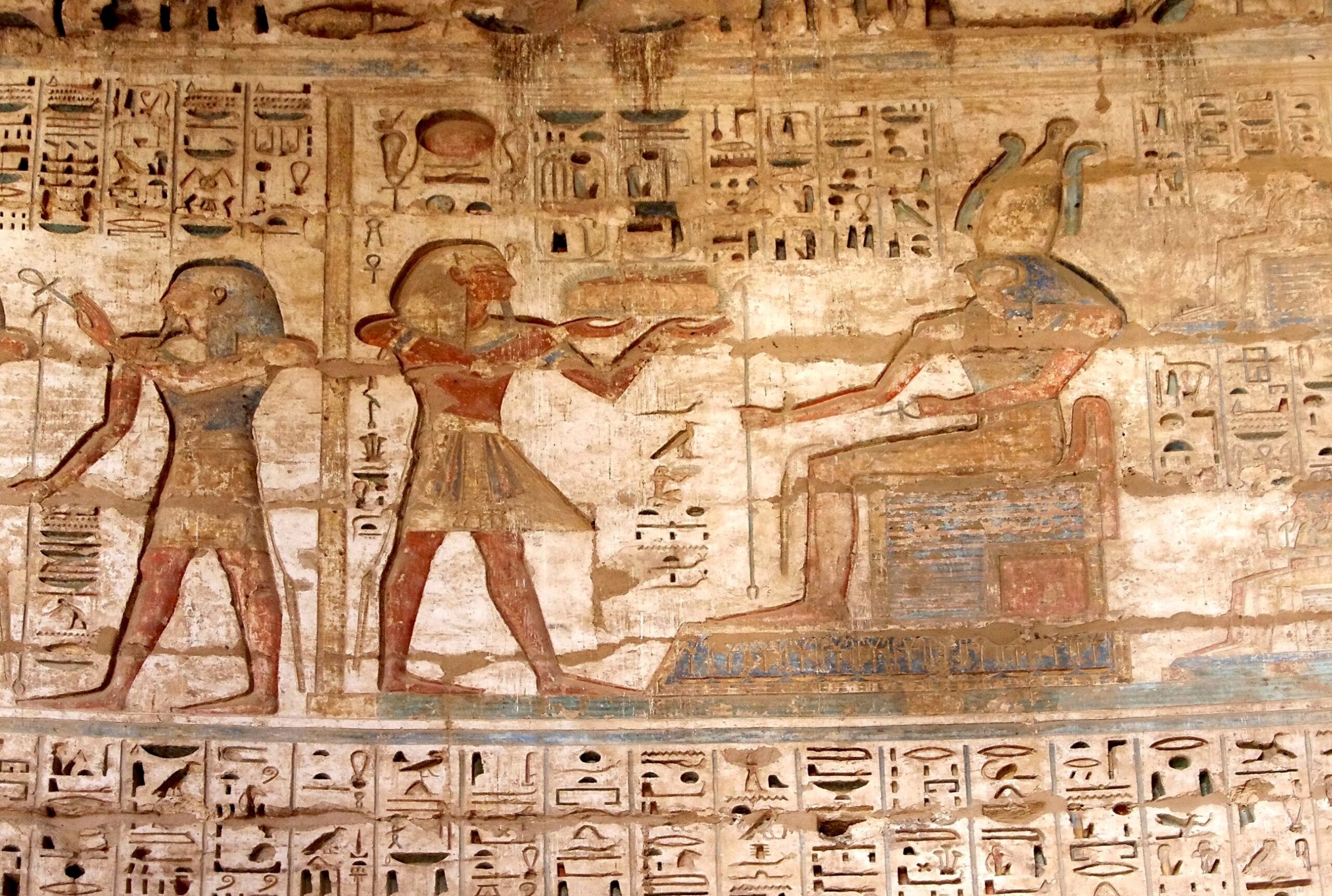
Ancient Egypt was known for the diversity of its food and the richness of its culinary culture. Pharaohs relied on the agricultural crops that depended on the Nile River, which influenced on the country’s diet. Bread by all its types was essential element on pharaohs dining tables. Made from barley and wheat flour, was considered a symbol for a good nutrition. Fish as well held a special place, it was caught from the Nile, it as a type to meet to protein needs. In addition, meats such as beef and mutton were consumed during special occasions or presented as offerings.
For vegetables, they were an important part of the daily diet. The Pharaohs planted a diverse set of vegetables such as garlic, onions, and leeks, which gives a rich taste in their meals, Herbs were using in cooking, they was considered essential components of healthy and beneficial. The Egyptian cultural emphasized using the nature and local ingredients in food preparation, which contributed to creating diversity in their dishes.
Regarding ways of foods, there are specific habits that varied according to the occasion. In the social and religious occasions, the food was served celebratory rituals. The tableware as plates and cups was used, food was eaten by fingers or by using primitive tools.
These dietary habits reflect an important side of the social and political side of Pharaohs, as their dining tables express their statues and symbols. We understand how the dietary habits in the ancient Egypt were not just eating ritual, it was embodied the culture and history of the pharaohs people.
Roman civilization is considered one of the most influential cultures in the history of cooking arts. Roman ingredients and dietary practices formed an essential part of daily life, the variety of foods reflected the luxurious lifestyle of the Romans. The Roman tables were characterized by the quality of food and the delicious dishes that they used to eat, which included a wide variety of ingredients such as grains, vegetables, fruits, fish, and meat.
Meat was an important part of the Roman diet, as many types were used such as pork, beef, chicken, and fish. In addition, the Romans practiced the art of food processing, as they dried the meats, prepared sausage and pickled vegetables, which contributed to preserving the food for longer time. Romans also had a special appreciation to spices and herbs, as they used to enhance the taste of dishes, the spices included black pepper, ginger, and coriander, reflects their interest in the rich culinary experiences.
In addition to that, banquets in Roman civilization represented the foster of the cultural identity, as they were held on the occasion of holidays and social occasions, gathered between friends and family. These banquets allowed the celebrants eat a variety of dishes, and exchange conversations, which contributed to strengthening the social ties. It can be said that the Roman culinary art was considered a festive and cultural, where good taste met with pride and the celebration of heritage and society.
ًWhat are the drinks in the time of the Pharaohs and Romans?
Drinks are considered as a part of the culinary culture in any civilization, especially in ancient civilizations such as the pharaohs and Romans civilization. In ancient Egypt, the most common drinks were beer and wine, as beer was prepared from barley and water, and was considered drink for the poor people and working classes. While wine was produced from various types of grapes, and was popular for the elite, as it considered a symbol of luxury and wealth. Often these drinks were serviced in the celebration and occasions, which indicates their importance in the daily social life.
As for the Romans civilization, there was a greater variety of drinks, as many types of win was developed by adding honey and spices, which enhanced its flavor. Beer als was consumed but not as much as wine. Many believed that Romans had a great experience in win preparation, as various techniques were developed for for fermentation and storage, which improved its quality. As we add fruit juices, especially pomegranate and apple juice, in their diet, and they were considered healthy drinks.
By comparison between the two cultures, we find that the pharaohs preferred the simplicity in drinks, while Romans were more distinct and innovative in their beverages. Each civilization were reflected their customs and traditions through drinks their beverages, illustrating how different cultures are linked to social practices and agricultural techniques in the fields of food.
The impact of Pharaonic and Romans tables on today’s cultures
The Pharaonic and Roman tables are considered a rich embodiment for the culinary cultures that influenced by high way on modern eating patterns. Pharaohs cared about the diversity of foods and preparation methods, they had a balanced diet containing bread, fish, vegetables and vitamin-rich fruits. While Romans were characterized by their passion for foods. As they made the luxury banquets that included multiple types of meats, legumes, and various spices, which helped develop the food meaning witnessed by today’s cultures.
Today, you can notice the influence of the ancient civilizations through through a collection of famous dishes that are still served regularly. For example, some modern dishes rely on the spices used in ancient times, such as thyme and cumin, that were considered as essential ingredient in the Egyptian and Roman food. In addition, the preparation methods, like roasting and steaming, date back to those eras and are used in global cuisines today.
To put these ancient traditionals into the current century, local recipes can be reconsidered by using traditional ingredients. It possible to prepare dishes combine ancient cooking methods and modern ingredients, achieving a balance in flavor and nutritional value. Furthermore, the modern cooking technology, such as electrical appliances and pressure cooking, it might facilities cooking processes in ways that express those ancient periods by maintaining a contemporary dimension.
Today, we witnessing a continuous attempt for save the special traditional food of ancient civilizations and provid them in innovative way, which reflects the influence of the banquets of the Pharaohs and Romans on cultures and today eating patterns.

Mokhtar Yonis
A professional tour guide since 2008, I have led thousands of tours all over Egypt. As an Egyptologist with a Master's degree in Egyptology from Cairo University, I bring a deep knowledge of and passion for Islamic history, monuments, and modern Egyptian culture. A Cairene for most of my life, I joined NileCruisen company in 2016 as a professional tour guide and travel editor.
- Mokhtar Yonis

- Mokhtar Yonis

- Mokhtar Yonis

- Mokhtar Yonis