 Nile Cruisen Team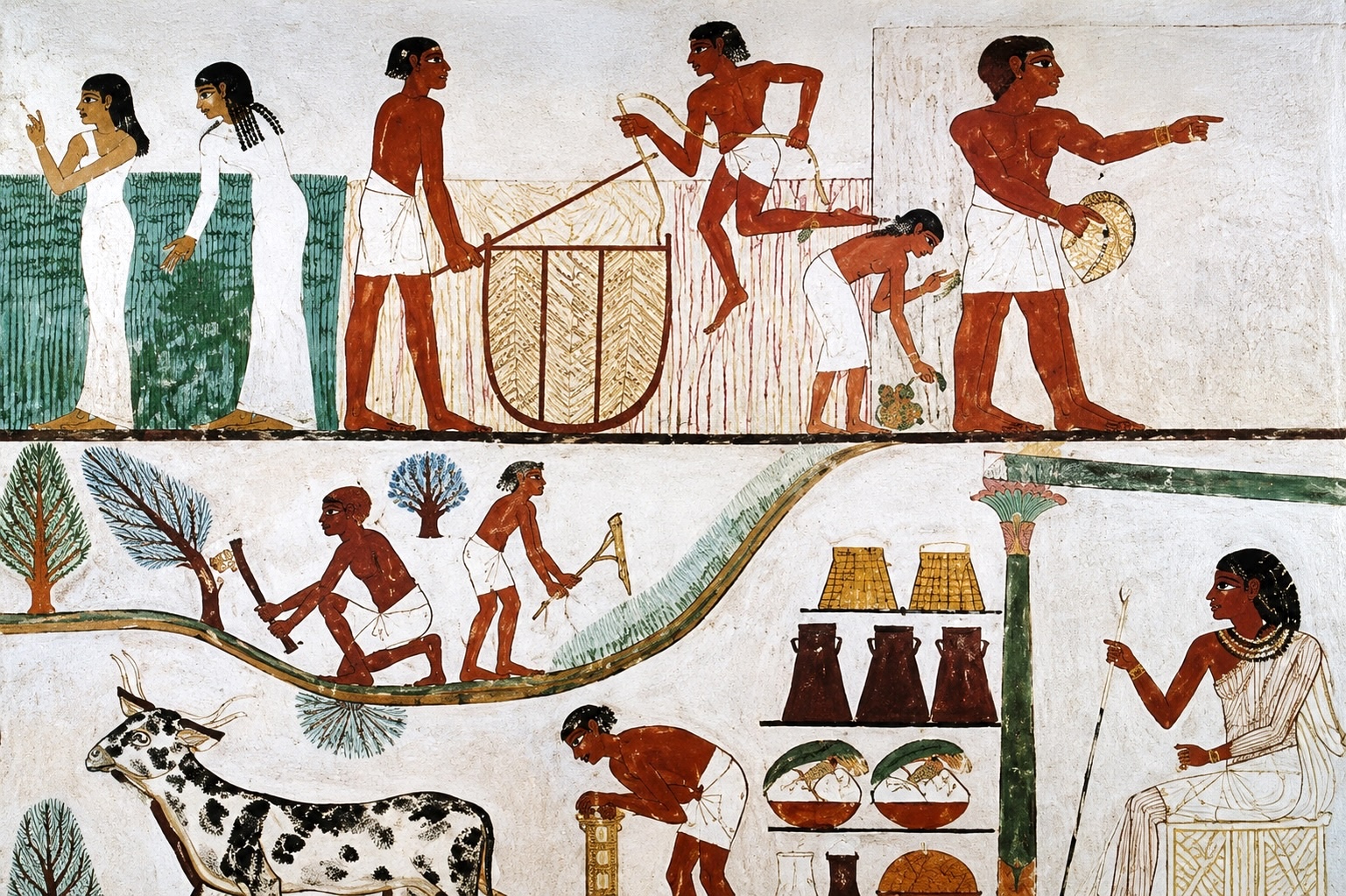
Reported by: Mo Kamal (Luxor)
When we talk about traveling to Egypt, the first thing that comes to mind is the grandeur of the pyramids, the majesty of the Sphinx, and the greatness of the temples that stand as a witness to the greatest civilization known to humanity.
But behind these huge stone monuments dedicated to kings and gods, there was a vibrant daily life, work, and art for ordinary people who created this glory.
Today, with the tremendous development in cultural travel programs to Egypt, especially with the full inclusion of the operations of the Grand Egyptian Museum (GEM), Nile Cruise in Egypt, within modern itineraries, visitors can dive deeper into the details of the daily life of the pharaohs.
In this report, we take you on a journey through time to discover how ancient Egyptian lived, and how the modern traveler can experience a glimpse of this magic.
1. Sunshine: The rhythm of work and society
Ancient Egyptian society was pyramid-like in its organization, precise and interconnected. The ancient Egyptians woke up with the first threads of dawn touching the waters of the River Nile. The bulk of the people worked in agriculture, taking advantage of the fertility of the land. Despite the harshness of daily work, they were people who valued life.
They set aside time to rest, enjoy music, and play popular board games such as Senet, which reflects an amazing balance between seriousness and entertainment.
2. The Pharaohs’ Table: A diet from the womb of the earth
The ancient Egyptians’ tables were not complicated, but they were rich and nutritious. The diet was based mainly on what was found on the banks of the Nile.
Baked goods and drinks: Bread of various types and beer (made from barley) were the basis of the daily meals of the rich and the poor alike.
Vegetables and protein: They ate onions, garlic, leeks, and lentils regularly, while Nile fish was a major source of protein. As for red meat and fried birds, they decorated the tables of the nobles and were served in abundance during major feasts and celebrations.
3. Architecture and environment: breathing mud houses
Interestingly, the pyramid builders chose not to build their homes from stone. They knew that stone was for eternity (for tombs and temples), but worldly life required flexibility. Therefore, houses and palaces were built from mud brick (dried clay), which has superior thermal insulation ability, providing pleasant coolness in the warm Egyptian summer. Houses were designed with open inner courtyards to allow the breeze to circulate, an ecological design that some villages in Upper Egypt still adopt today.

4. The Nile River: the artery of trade and the path of the nobility
The Nile was not just a waterway; it was the backbone of the economy, the compass that determined the seasons of the year, and the most important highway in the kingdom. The Egyptians used sailboats made first of papyrus bundles, then of wood, to transport goods and limestone, and for the transportation of nobles and kings between the administrative capital and the holy cities.
Experience history today:
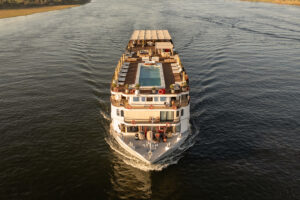
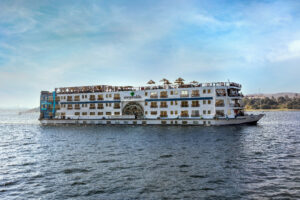
The best way to evoke this historic atmosphere today is not by express bus, but by gentle sailing. Luxury Nile cruises, especially sailing on classic and intimate “Dahabiya” vessels – such as the Swan Dahabiya – are the modern embodiment of ancient noble travel. This style of boutique cruise allows the traveler to get away from the crowds, anchoring on quiet islands and archaeological sites that giant ships do not reach, offering an authentic experience managed with the utmost care by direct tour operators who ensure the smallest details.
5. Elegance and beauty: a priority in the life of the Pharaohs
Outward appearance and personal hygiene were sacred. The Egyptians wore bright white clothing made of light linen to suit the weather. Cosmetology was not limited to women only; Men and women used black and green kohl not only for decoration, but also to protect the eyes from the glare of the sun and desert sand. They also excelled in crafting intricate jewelry made of gold, lapis lazuli, and agate, which were worn as amulets to bring good luck and ward off envy.
Conclusion: An invitation to explore the depths of history
Understanding the details of the daily life of the ancient Egyptians gives tourist itineraries in Egypt a new dimension that goes beyond mere visual observation. When you wander through the corridors of the temples or stand in front of the dazzling displays in the Grand Egyptian Museum, you will be able to see the human being behind the monument.
For decision-makers in international travel agencies and those looking for exceptional experiences, Egypt is no longer just a destination for taking photos, but rather a living narrative that requires planning with local experts who can weave these historical stories into luxurious travel itineraries that revive the past with a touch of the sophistication of the present.