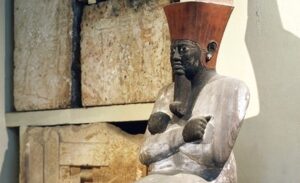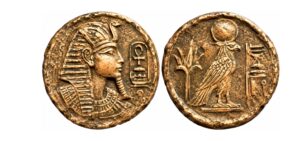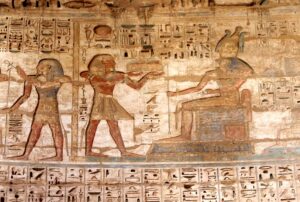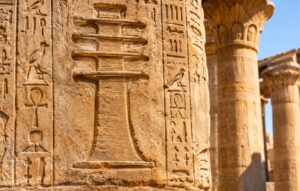
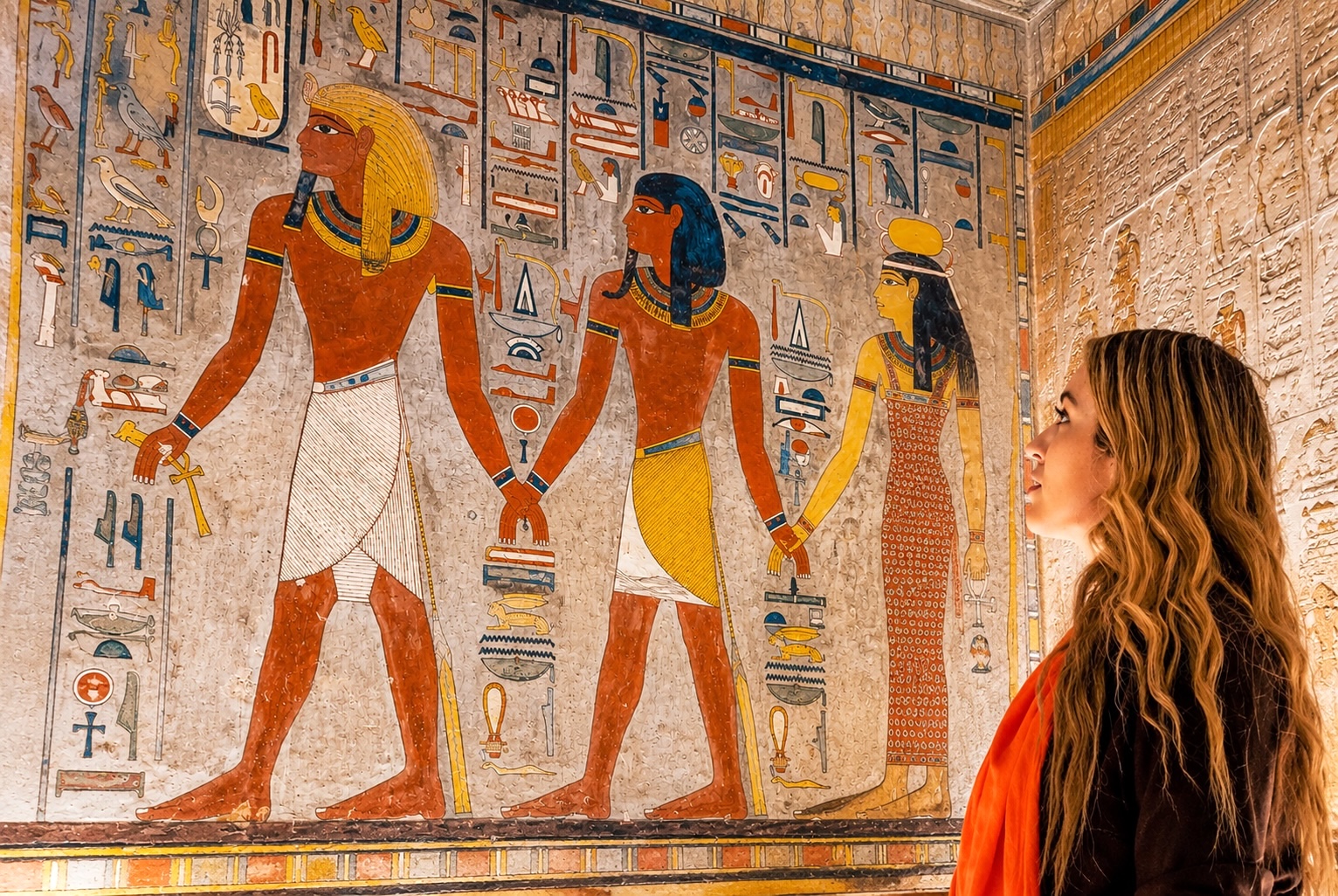
Have you ever been to Egypt, planned a trip there, or seen pictures of ancient Egyptians online? If yes, then you may have noticed something interesting, i.e., their clothing. Ancient Egyptian men commonly wore white linen skirts, whereas women wore long dresses, and pharaohs were often dressed in elaborate garments with colorful jewelry. But did you think about what they used to wear in everyday life?
Ancient Egyptian clothing was very practical. Egypt’s climate and availability of natural resources influenced the clothing of ancient people. Their clothing used to indicate the social status and daily needs of the individuals, as simple linen kilts were worn by farmers, whereas finely pleated garments were worn by royalty.
Understanding ancient Egyptian fashion will offer you a glimpse into the civilization whose temples and tombs still stand along the Nile River.
Table of Contents:
-
What Clothing Did They Wear in Ancient Egypt?
-
What Materials Did Ancient Egypt Use for Clothing?
-
What Is Ancient Egyptian Clothing Made of?
-
What Kind of Clothing Did Ancient Egypt Wear?
-
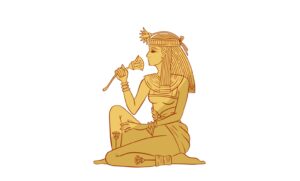
What Did Ancient Egyptian Women Wear?
-
What Did Farmers, Workers, and Children Wear?
-
Why Was Clothing Important in Ancient Egypt?
-
How Did Ancient Egyptian Clothing Change Over Time?
-
Where Can You See Ancient Egyptian Clothing and Fashion Today?
-
Experience Ancient Egyptian History Along the Nile
-
Frequently Asked Questions About Ancient Egyptian Clothing
What Clothing Did They Wear in Ancient Egypt?
The ancient Egyptians stayed cool in hot climates mostly by wearing light linen clothing made from flax plants. The styles, fabric quality, and accessories varied depending on social status. Men wore wrapped kilts or linen garments. Women wore long dresses, tunics, and shawls. The wealthier Egyptians wore fine fabrics, pleated garments, and elaborate jewelry.
The style of the ancient Egyptians changed throughout the ages. Simpler clothing was used during the Old Kingdom, and layered clothing became fashionable during the New Kingdom.
No doubt, while linen was so common, that doesn’t mean their fashion was entirely colorless. To add personality and meaning to everyday ceremonial outfits, they used to add decorative collars, beads, belts, and jewelry.
What Materials Did Ancient Egypt Use for Clothing?
The ancient Egyptians used several natural materials for clothing, but linen was by far the most important.
-
Linen: The Most Popular Fabric
Linen was the most commonly used fabric for everyday clothing. Linen was made from flax (a plant grown in the fertile agricultural land). The material was considered suitable for the hot weather of Egypt due to its lightweight and breathable qualities.
Linen could also be washed, pleated, folded, and wrapped into various garments. Its versatility made it useful for everything from simple working clothes to elaborate royal outfits.
-
Wool: Used for Certain Garments
Wool was used occasionally, but linen remained the dominant clothing material. Religious customs influenced the use of wool in certain ceremonial settings.
-
Leather and Animal Skins
It was used for specialized items such as sandals, belts, and accessories. For example, leopard skin garments were associated with certain priests and religious ceremonies.
-
Plant Fibers and Decorative Materials
Plant fibers such as reeds, woven papyrus, and palm fibers were used to make sandals and other woven items. Beads, precious metals, and colorful stones are some of the important additions to fashionable clothing.
These materials helped turn practical outfits into visual expressions of identity, wealth, and religious belief.
What Is Ancient Egyptian Clothing Made of?
Most of the ancient Egyptian clothing was made from linen, produced from flax plants. The process involved different steps, including harvesting flax, preparing its fibers, spinning them into thread, and weaving the thread into fabric. The fertile agriculture of the Nile supported flax cultivation. One of the fascinating details is that Egyptian textiles were often valued enough to be reused. Fabric could be repaired, repurposed, or eventually used for other purposes, including funerary practices.
Linen was important beyond fashion; it was used to wrap the deceased during mummification.
What Kind of Clothing Did Ancient Egypt Wear?
Men: Men’s clothing in ancient Egypt usually varied depending on the occupation, wealth, and the historical period, but the linen kilt is one of the most recognizable garments.
Traditional Egyptian Kilts: Kilts are the most common clothing piece worn by men in ancient Egypt. They wore it around their waist; it can be short, reaching above the knee, or longer and more elaborate. Common men used to wear simple short kilts, whereas a wealthy official wore a carefully pleated kilt made from a lighter-weight linen.
Tunics and Longer Garments: Ancient Egyptian men also wore tunics and longer garments, particularly as clothing styles evolved over time. During the New Kingdom, elite men’s clothing included additional layers of fine linen, pleated skirts, and more elaborate draping.
What Did Ancient Egyptian Women Wear?
Ancient Egyptian women used to wear a variety of linen garments, such as long dresses, tunics, and shawls.
Long Linen Dresses
Women in ancient Egyptian artwork are shown wearing long dresses extending toward their ankles. Some dresses are supported with shoulder straps, whereas others have different necklines or sleeves.
Pleated Dresses and Shawls
Wealthier women used to wear fine linen garments with elaborate pleating. To create a more sophisticated look, they used to add a lightweight shawl and decorative accessories.
Jewelry and Personal Accessories
Jewelry was an important part of women’s fashion; however, it was certainly not exclusive to women. Jewelry, including bracelets, earrings, and decorative collars, was made from simple beads, gold, and precious stones; the choice of materials often reflects the wealth and status of the person.
What Did Farmers, Workers, and Children Wear?
Farmers and laborers used to wear short linen kilts that provided them freedom to move. While women from working households used to wear practical linen garments suitable for domestic and agricultural tasks. Because of the warm climate, young children of all social classes, including royal children, were depicted without clothing, particularly in early childhood.
Why Was Clothing Important in Ancient Egypt?
Clothing was important in ancient Egypt, as it represented social status, supported climate comfort, identity, and personal expression.
Protection From the Climate: Lightweight linen clothes are considered comfortable to wear in warm weather. They are also a practical choice for workers working in fields and workshops.
Social Status and Wealth: In ancient Egypt the quality of the clothes showed the position of the people in society. Ordinary Egyptians wore simple clothing, whereas royalty had finer linen, elaborate pleating, and more decorative accessories.
Religion and Ceremonies: Clothing was also connected to religion and ceremonies. Particular ceremonial outfits of priests usually carried a symbolic meaning. Linen was related to ritual cleanliness. Clothing was also important in funerary traditions, as linen mummification was used by ancient Egyptians.
Identity and Personal Expression: Ancient Egyptian clothing appears simple as compared to modern fashion, but people expressed individuality through hairstyles, jewelry, makeup, and decorative accessories
How Did Ancient Egyptian Clothing Change Over Time?
Ancient Egyptian civilization lasted for thousands of years, so its clothing styles were not completely static.
| Period | Clothing styles |
| Old Kingdom (2686-2181 BCE) | Simple linen kilts for men and long dresses for women. |
| Middle Kingdom (2055-1650 BCE) | Longer skirts, varied dresses, and pleated linen garments. |
| New Kingdom (1550-1070 BCE) | Layered clothing, fine linen, intricate pleating, and decorative accessories. |
These changes were not universal or immediate. Traditional garments continued to be worn, and surviving clothing sometimes differed from the idealized images shown in art.
Where Can You See Ancient Egyptian Clothing and Fashion Today?
If you want to see ancient Egyptian clothing and fashion today, looking at the surviving garments and the artwork created by the Egyptians themselves is the most interesting way. Several museums have examples of ancient linen textiles, furniture, jewelry, and other personal items. Moreover, temples and tombs in Egypt also provide remarkable visual records of clothes and accessories worn by different ancient people.
For travelers interested in ancient Egyptian history, several destinations are particularly rewarding.
Valley of the Kings, Luxor
The royal tombs in the Valley of the Kings contain elaborate artwork depicting pharaohs, deities, and religious ceremonies. These paintings can help you to identify royal garments, ceremonial accessories, and symbolic headdresses.
Karnak Temple
This temple illustrates royal ceremonies, religious traditions, and the visual language of Egyptian kingship.
Luxor Temple
Luxor Temple will provide you with an opportunity to examine royal dress and ceremonial imagery.
Edfu and Kom Ombo Temples
The temples at Edfu and Kom Ombo have reliefs depicting Egyptian gods, kings, and ceremonial scenes.
Their artwork provides valuable context for understanding how clothing communicated religion, authority, and identity. Many of these historic sites can be visited during a Nile River cruise between Luxor and Aswan.
Experience Ancient Egyptian History Along the Nile
Ancient Egyptian clothing explains more than what people wore, as it also reveals how people used to live, work, worship, and express their identities.
If you are planning a trip to Egypt and want to learn more about clothing in ancient Egypt, then visiting the temples and tombs along the Nile can bring these historical details into focus.
The Nile cruise is one of the most convenient ways to explore the sites located along the Nile. At Nile Cruisen, travelers can explore more than 100 cruise options, including standard, deluxe, luxury, and dahabiya. Its standard route between Aswan and Luxor will allow you to visit historical sites where ancient clothing and ceremonial traditions appear in surviving artwork.
Ready to explore ancient Egypt? Get in touch with the Nile Cruisen team and request a personalized cruise itinerary based on your preferred dates and interests.
Frequently Asked Questions About Ancient Egyptian Clothing
What clothing did they wear in ancient Egypt?
Men in ancient Egypt used to wear wrapped kilts, whereas women wore dresses and tunics. Wealthier Egyptians often wore finer linen fabrics, pleated clothing, and decorative jewelry.
What materials did ancient Egypt use for clothing?
Linen made from flax was the primary material. Wool, leather, animal skins, and other plant fibers were also used for certain garments, footwear, and accessories.
Why was clothing important in ancient Egypt?
Apart from protecting individuals from the climate, clothing also represented wealth, occupation, social position, and religious identity.
What did ancient Egyptian women wear?
In ancient Egypt, women used to wear long linen dresses, tunics, and sometimes shawls. Whereas wealthier women wore finer fabric, elaborate pleating, and decorative accessories.
What did Egyptian pharaohs wear?
Egyptian pharaohs wore fine-linen garments, ceremonial kilts, decorative belts, jewelry, and royal headwear. Their outfits usually varied depending on the occasion, and certain crowns and ceremonial garments symbolized royal authority.
Can tourists see ancient Egyptian clothing during a Nile cruise?
Travelers can see ancient Egyptian clothing depicted in temple reliefs and tomb paintings at Luxor, Karnak, Edfu, and the Valley of the Kings. Surviving original garments are generally preserved in museums rather than displayed at these archaeological sites.

This article was created by the team at Nile Cruisen, one of the best tour operators in Egypt for Nile cruises and tailor-made Egypt tours.
With years of experience sailing between Luxor and Aswan, our team knows the Nile better than anyone.
We share trusted travel advice, from the best time to visit and what to pack to simple tips for avoiding crowds.
Our goal is to help you enjoy the timeless beauty of Egypt with comfort, confidence, and an unforgettable travel experience.
- Nile Cruisen Team

- Nile Cruisen Team
- Nile Cruisen Team

- Nile Cruisen Team