 Nile Cruisen Team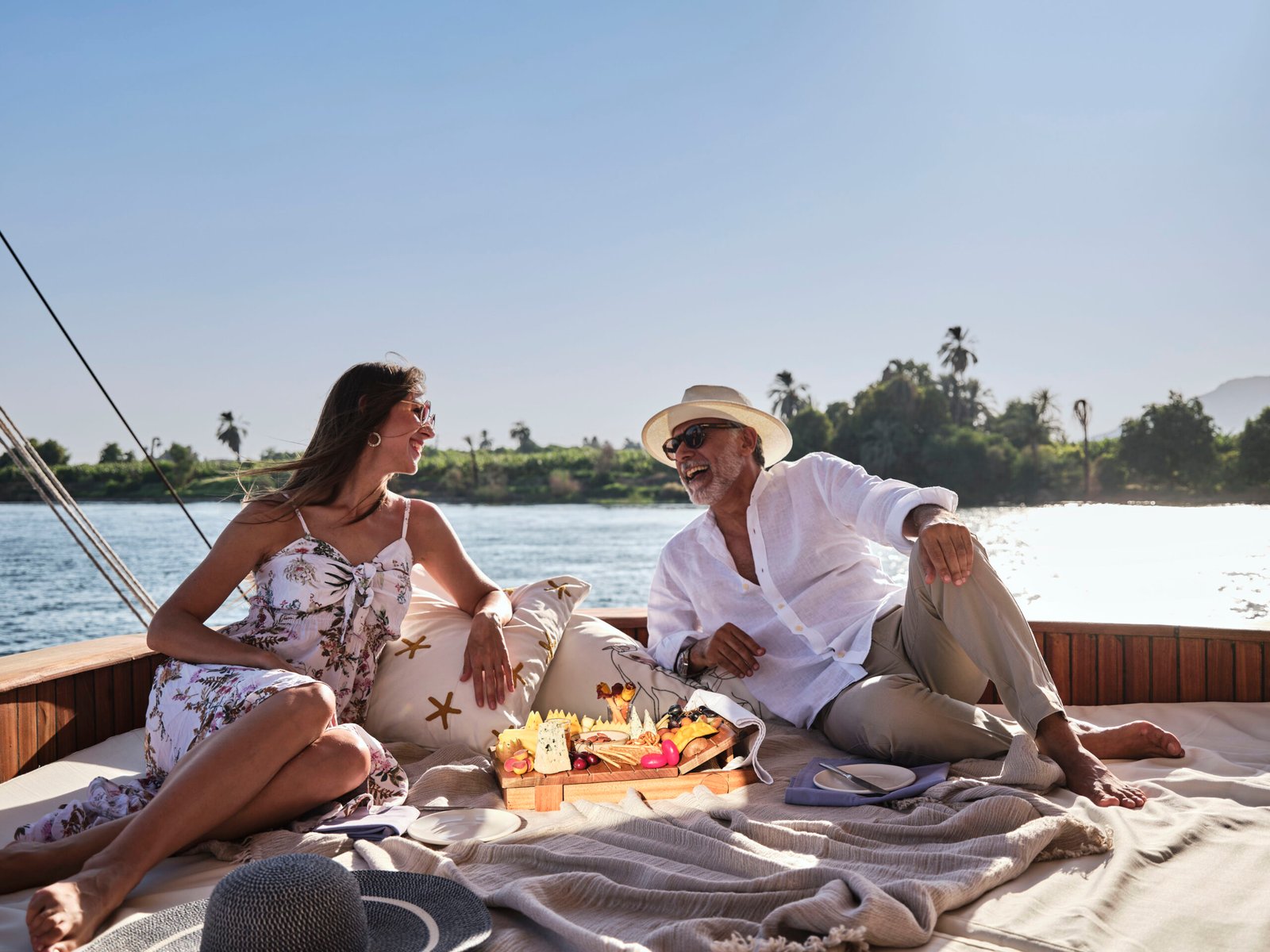
The Nile cruise activities are essentially divided into 3 main stages:
- Land tours to discover ancient artifacts.
- Night entertainment activities.
- daily hotel services on the broad ship.
And the discovery of the treasures of ancient Egyptian civilization that extends for thousands of years, with high-end entertainment programs. The Nile cruise is an integrated tourism program that skillfully combines premium hotel services and a rich cultural program.
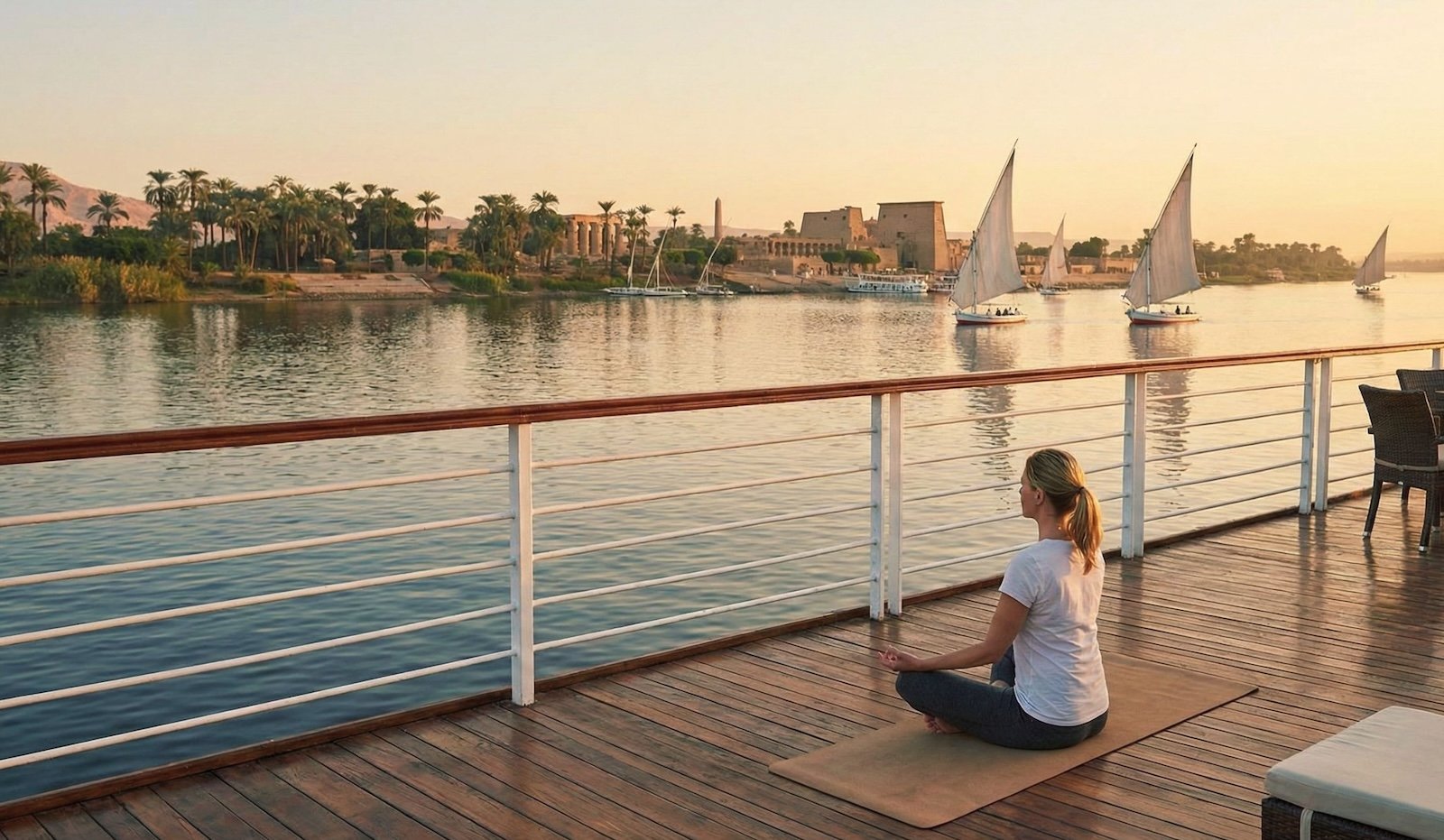
I – River excursions and exploring the ancient treasures
The Core goal of the Nile cruise is to offer comfort and organization to the most important ancient landmarks in Upper Egypt.
Specifically in the golden route between Luxor and Aswan cities, vice versa, it happens during stopping and mooring at specific ports according to an accurate timetable, where the guests get off to do tours with a specialized tour guide in Egyptology, which enriches the experience with historical information and interesting stories.
A- Treasures of Luxor (Ancient Thebes).
Luxor is known by the title “The biggest open-air museum in the world.” Its archaeological landmarks are divided into two banks:
The East bank (City of the living).
Here, religious rituals were held, and temples were dedicated to the gods:
Karnak Temple (complex gods): it is considered the largest complex religious building ever built, it is known by the “Great Hypostyle Hall” which includes 134 colossal columns, it shows the history of development the Egyptian worship over two thousand years.
Luxor Temple: dedicated to the holy Triad of Thebes (Amun, Mut, and Khonsu), and famous for its towering obelisk (which is still the other one that stands in the Place de la Concorde in Paris) and the colossal statues of Ramses II at its entrance. A visit to this temple is mostly linked to a night tour to enjoy its magical lights.
West bank (City of the dead):
It’s a burial, royal tombs, and funerary temples area:
Valley of the Kings: The royal tomb to the Pharaohs during the new modern state era, where the remains of several famous royal tombs were found, including that of Tutankhamun.
Hatshepsut’s temple (Deir el-Bahari): A unique funerary temple design, highlighting the beauty of planning and harmony with the desert nature, Queen Hatshepsut built it in the bosom of the mountain.
Memnon Statues: Two colossal statues of the king Amenhotep III, which remain of her great funerary temple, and are the first thing to greet visitors on the West Bank.
B- Crossings and sightseeing during the Nile Cruise.
During the enjoyable journey across the Nile cruise in Egypt, the ships stop to visit the magnificent temples located on the banks of the river, which are an integral part of the cultural program:
Edfu Temple (Horus Temple): This temple is one of the most intact ancient Egyptian discoveries and is fully dedicated to preserving its well-preserved inscriptions and stories. Access is often enjoyed by using traditional horse-drawn carriages.
Kom Ombo Temple: This temple, by its dual design, which half specializes in Sobek (the crocodile god), and the other half in Haroeris (the elder Horus), includes a small museum displaying mummified crocodiles.
Esna Lock is considered a main point for crossing all the Nile cruises, and it is a barrier that works on controlling the water level. Watching the process of the ship passing from the lower level to the higher level. Tourists often watch the process from the deck of the ship.
C- Aswan Magical landmarks and Nubian treasures
In Aswan, the city of beauty and magical nature, a diversity of tours to mix between the ancient monuments with modern achievements, and Nubian heritage:
Philae Temple: Considered the jewel of Nubia, it was entirely secured and fully moved to Agilkia Island to save it after the construction of the High Dam, and its visit through a short riverboat.
High Dam: It is considered one of the most important engineering projects in Egypt in the twentieth century, and gives the visitor a view of Lake Nasser.
The Unfinished Obelisk: Located in the granite quarries, it provides a unique opportunity to learn the details of cutting and carving the colossal obelisks in the pharaonic eras.
Special optional Tours: Usually include a visit to Abu Simbel Temples, which is an extra air or land trip to view the colored Nubian reliefs on the walls, in addition to a trip to the quiet Botanical Garden Island.
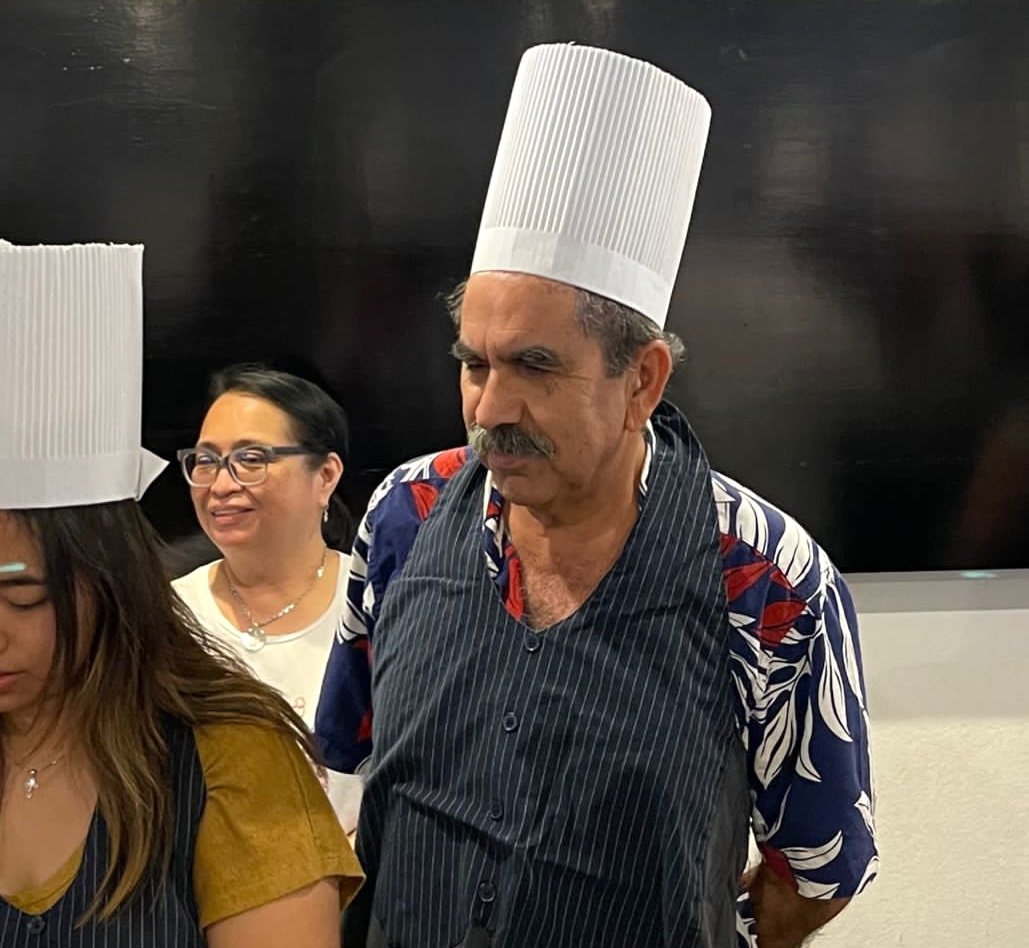
II- Entertainment and night interactive activities (The Egyptian vibes)
Egypt river cruise allocates a large amount of its time for entertainment inside the boat, especially during night or long sailing periods, which turns into a floating stage.
- Galabia party: Unforgettable interactive night, Guests wear traditional colorful clothes (Galabia), Competitions, popular dances, and fun music are held.
- Tanoura and Belly Dance shows: Tanoura Shows (considered one of the most prominent traditional Egyptian folk arts), some cruises also present professional Belly Dance shows.
- Nubian party (Nubian show): Organized by the art troupe presenting folklore and music and authentic Nubian songs, characterized by the lively Nubian rhythm, cheerfulness, and activity.
- Live music night: Usually, exists a” Band” or “DJ” to present calm music or dance, which adds a romantic atmosphere during dinner.
III: Daily services, hotel, and Amenities
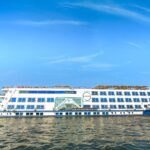
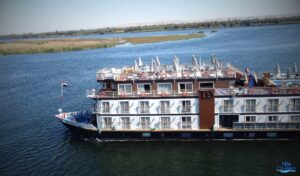
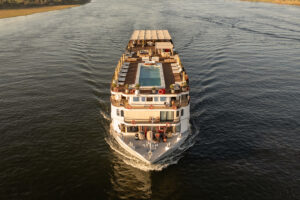
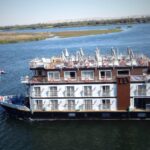
The Nile Cruise is a luxurious five-star floating hotel that guarantees comfort in rooms and enjoyment of its common facilities.
Food and accommodation:
Luxurious hotel rooms (Cabin): All rooms are designed like hotel suites with balconies or full panoramic windows.
The dining experience: includes a Full-Board Dining Room for breakfast, lunch, and dinner, usually served in an open buffet. It includes a wide selection of international and local dishes and drinks.
Restaurants and cafes: offer multiple options for enjoying drinks and light meals at any time.
Onboard Facilities (Sun Deck):
The Swimming Pool (Sun Deck), located on the upper deck, is a key point for relaxation, where guests can enjoy sunbathing and the breathtaking natural scenery of the banks of the Nile.
Lounges and Reception Areas, designed to be comfortable spots for mingling or calm reading or relaxing while enjoying the views during the cruise.
Physical Fitness and Spa Facilities, including a sauna, jacuzzi, and small exercise areas to maintain activity and fitness.
Conclusion: Why a Nile cruise?
Nile cruise in Egypt offer a program perfectly combines with history and culture through organized tours to temples and archaeological sites, and between entertainment and ultimate luxury, it’s the perfect experience for the tourist who’s searching for a comfort and enjoyable trip, it also offers a unique opportunity to for an in-depth “journey through time” to discover in depth the ancient Egyptian civilization all with luxurious relaxation and premium service.
The details of the entertainment program and the type of luxury facilities (luxury, deluxe, standard) vary depending on the boat, but the basic components (archaeological tours, service) remain the same.

This article was created by the team at Nile Cruisen, one of the best tour operators in Egypt for Nile cruises and tailor-made Egypt tours.
With years of experience sailing between Luxor and Aswan, our team knows the Nile better than anyone.
We share trusted travel advice, from the best time to visit and what to pack to simple tips for avoiding crowds.
Our goal is to help you enjoy the timeless beauty of Egypt with comfort, confidence, and an unforgettable travel experience.
- Nile Cruisen Team
- Nile Cruisen Team
- Nile Cruisen Team
- Nile Cruisen Team