 Nile Cruisen Team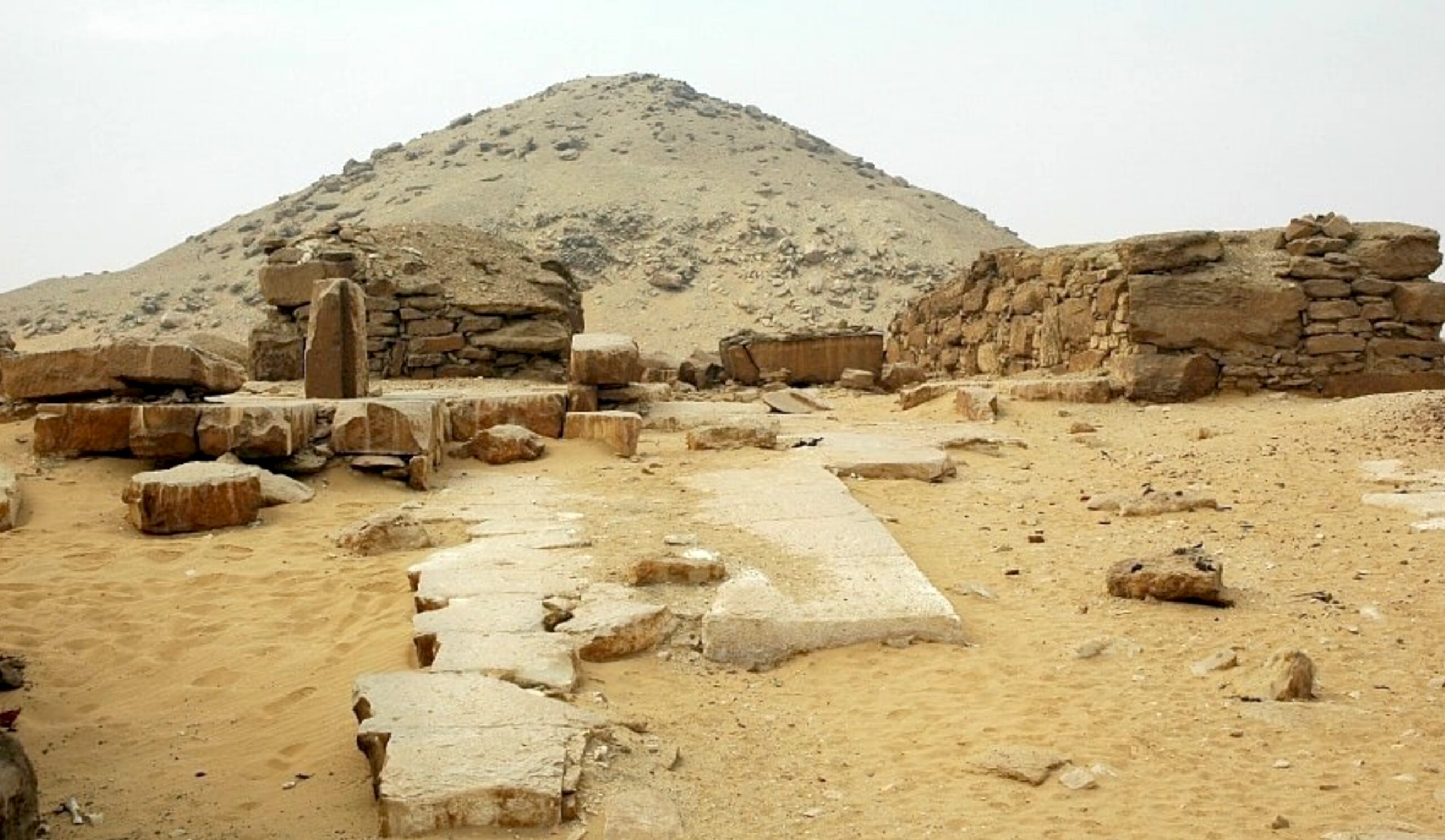
The Egyptian archaeological mission working in the Bubastione necropolis in Saqqara uncovered three rock tombs dating to the New Kingdom during its scientific excavations in the eastern sector along the site’s mountainous edge.
The discovery resulted in hieroglyphic inscriptions and important archaeological elements that shed light on new aspects of the history of the ancient necropolis of Memphis and enrich knowledge of the history of senior statesmen and society during that era.
Sherif Fathi, Minister of Tourism and Antiquities, confirmed that this discovery confirms that the Saqqara region is still full of archaeological treasures that have not yet been revealed, noting that the successive discoveries witnessed in the region highlight the exceptional cultural value of the Saqqara site, one of the most important world heritage sites, and promote trips to the Pyramids and Nile cruise in Egypt
He appreciated the effort made by all Egyptian and foreign archaeological missions to continue their scientific work, stressing that every new archaeological discovery represents a qualitative addition to the understanding of ancient Egyptian civilization and contributes to completing the historical picture of one of the greatest human civilizations.
Why are the New Discoveries important in Egypt?
The Secretary-General of the Supreme Council of Antiquities in Egypt explained that the importance of this discovery is not limited to finding new tombs, but rather extends to reviving the biography of their owners and restoring pages of their history that remained buried under the sand for thousands of years, which gives each discovery a very important historical and human dimension, and enriches studies related to Egyptian society during the era of the New Kingdom.
The head of the Egyptian Antiquities Sector at the Supreme Council of Antiquities said that this discovery comes within the framework of the archaeological study project for the Bubastiyun Cemetery, and it also opens the way for more discoveries during the coming seasons, especially with the continuation of excavation work inside the burial wells and areas that have not yet been discovered, which is expected to yield new archaeological and historical information that contributes to completing the cultural picture of the owners of these tombs, and adds new pages to the history of the Bubastiyun Cemetery, one of the most important and richest cemeteries of Saqqara. Archaeological sites that document multiple aspects of ancient Egyptian civilization.
Description of the three tombs discovered in Saqqara.
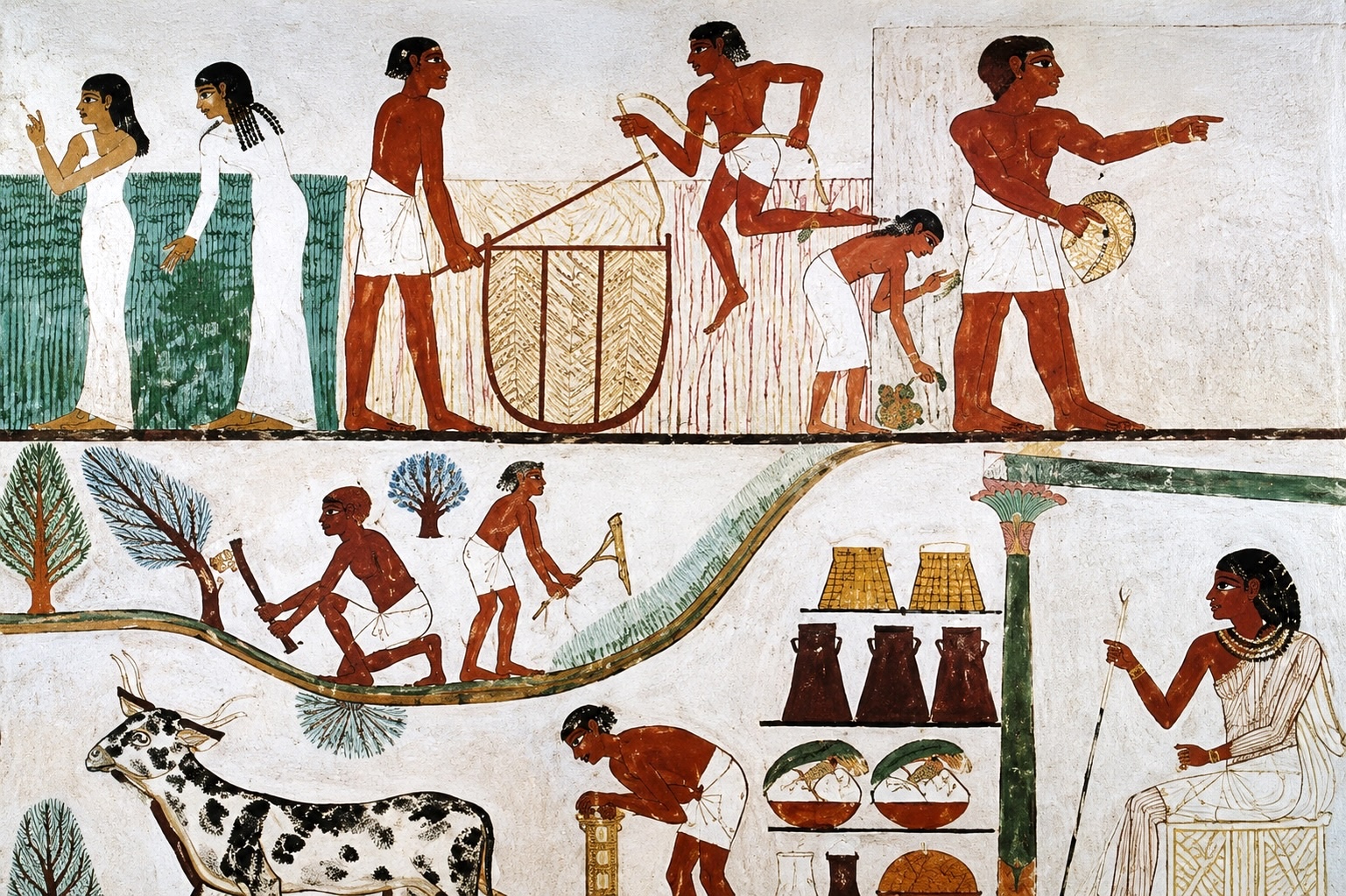
In a related context, Dr. Amr Al-Tibi, Director General of the Saqqara Antiquities District, indicated that the first tomb belonged to a person called “Mentuhotep,” and its northern walls are distinguished by elaborate scenes of sacrificial bearers and hunting scenes, in addition to a large view of the owner of the tomb sitting with his mother, “Iahhotep,” in a depiction that reflects the high social status of the family.
The walls of the tomb recorded a group of important titles, including: the hereditary prince, the mayor, the king’s vassal, the one who pleases the heart of the ruler, the director, the supervisor of foreign countries, and the supervisor of the army of the city of Khabshit. These titles indicate that the owner of the tomb was one of the senior administration and army men in the early era of the New Kingdom.
The cemetery includes a burial well in which excavations have not yet been completed and will resume during the next archaeological season, which may contribute to revealing new information related to the identity of Mentuhotep’s mother, the history of this family, and its role in the ancient Egyptian administration.
He added that the second tomb belongs to a person named “Bara-em-Waya“, also known as “Samut“, who held the title of chief merchant of the House of Ptah. The cemetery represents a complete family record, as it preserved the names of his wife, “Tuy,” who held the title of lady of the house, and his mother, “Atebio,” who held the title of singer of the idol Amun, along with the names of his four children, providing a rare picture of the family and social life of one of the prominent figures in the era of the New Kingdom.
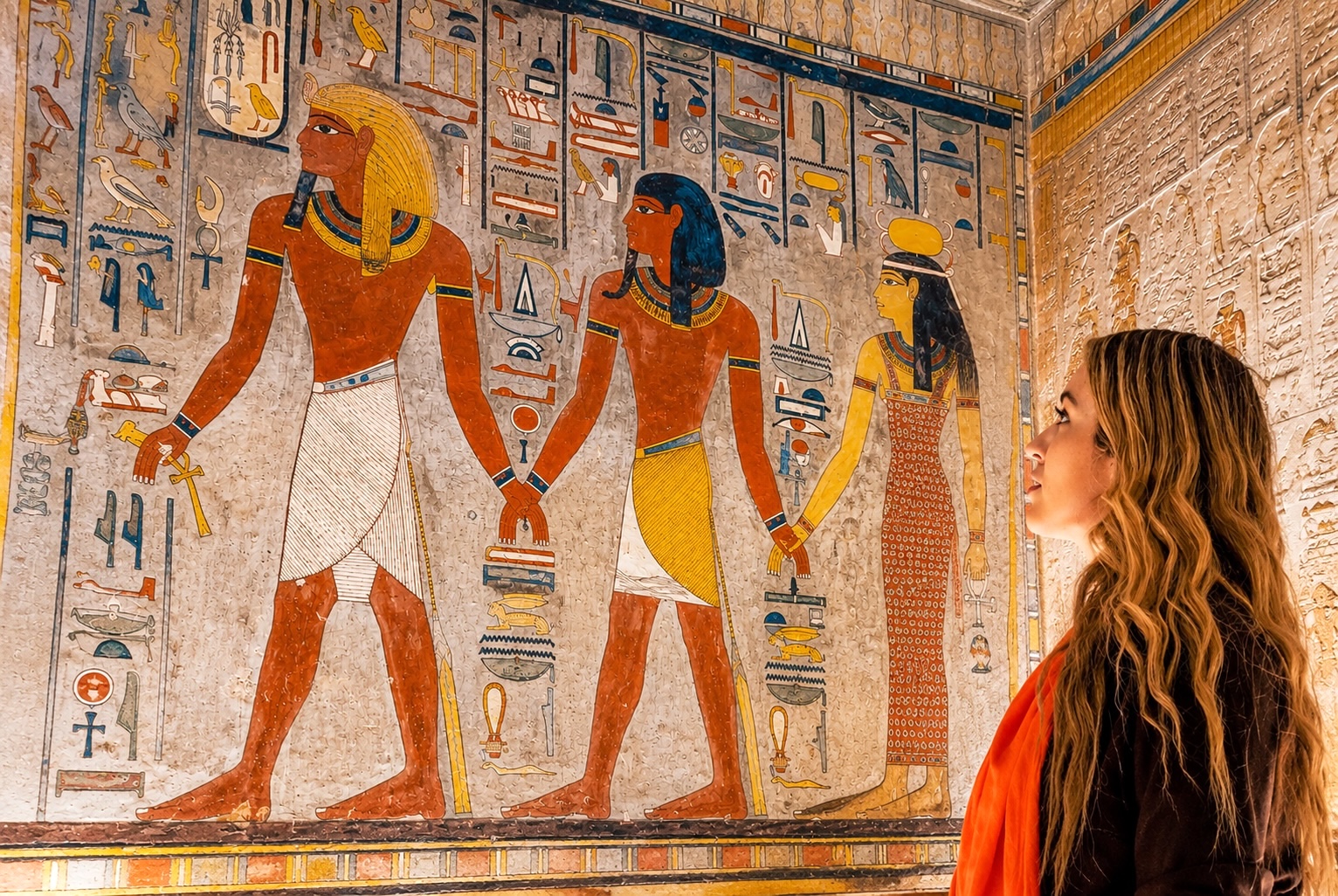
As for the third tomb, it belongs to a person called “Nahsi,” and although it is in a poor state of preservation, what remains of its inscriptions carries important historical value, as it was possible to identify the name of its owner and his title as supervisor of the house, in addition to the name of his wife, “Neferu-Ptah,” who held the title of mistress of the house.
One of the most prominent elements of this cemetery is a column bearing a hieroglyphic text indicating the return of one of the leaders from the country of Nahra in northern Syria. This text is of special importance, as it not only helps in dating the cemetery to the era of the New Kingdom, but also provides new evidence of the nature of Egyptian relations with the regions of the Near East during that period.