 Nile Cruisen Team
The pyramids in Egypt have been standing for 4,500 years; the archaeologists have spent years researching their structures and architecture. Numerous theories revolve around them about what’s beneath them. The hidden tunnels and underground buried structures are proof of how advanced the Egyptian civilization was. So, every year a number of tourists come to Egypt to explore the realities of these pyramids, and along with this, they also take Nile cruise packages.
The journey from Aswan to Luxor is not just an Egypt river cruise ride; with that itinerary, one gets a chance to witness the early civilization and ancient marvels closely, and that too with experienced tour guides, like Nile Cruisen offers. Travelers get an enriching and knowledgeable experience exploring around Egypt.
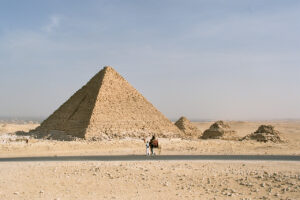
The major pyramid, the Giza Pyramid, is one of the most traveled pyramids in the world. Travelers usually combine a land tour to Cairo with the all-inclusive Nile cruise for easy and connected exploring. Through this blog, let’s dive deeper for the secrets of the pyramids and life under the pyramids.
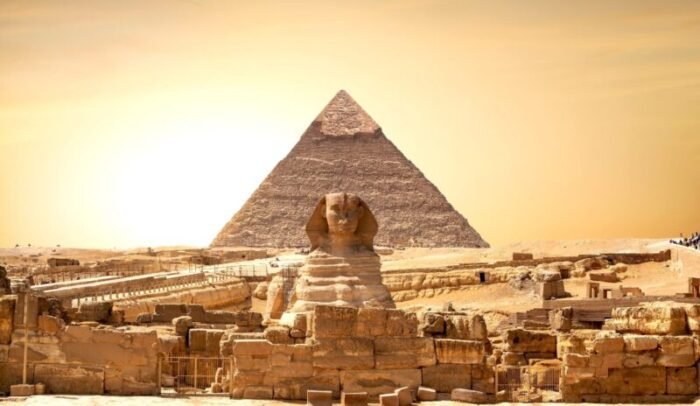
Why did Egyptians build under the pyramids?
The underground areas were not random. They served specific purposes connected to burial rituals, religious beliefs about the afterlife, protection of royal bodies and treasures, and symbolic journeys of the soul. Ancient Egyptians believed the pharaoh’s soul needed a carefully designed path to travel safely to the afterlife. Underground chambers were considered sacred spaces for this spiritual transition and peace for their souls.
What were they found underneath the pyramids?
The list of areas that are found under the pyramids is listed here. After years of research by historians and archaeologists, these spaces are opened for tourists. They can go under some pyramids, which are safe for exploration. Pyramids and temples on the Nile cruise from Luxor to Aswan itinerary are proof that the architecture of Egypt represents its culture and deep-rooted connection with the afterlife.
Burial Chambers Beneath the Pyramids: One of the most important discoveries beneath pyramids is the burial chamber. These were rooms designed to hold the sarcophagus (stone coffin) of the pharaoh Built deep underground to protect the body from robbers. Often carved directly into bedrock and it Contained symbolic architecture aligned with stars and cosmic beliefs
For example, beneath the Great Pyramid of Giza lies a series of chambers, including the King’s Chamber and the Queen’s Chamber. These were not only architectural achievements but also spiritual constructions.
Hidden Tunnels and Passageways: Another thing that kept the archaeologists and pyramid structures a mystery is that in many pyramids, archaeologists have discovered complex tunnel systems. These passageways connect different chambers They were sometimes designed to confuse tomb robbers. It contained sloping corridors and blocked paths, which showed advanced knowledge of engineering and geometry. They also found Some tunnels are extremely narrow, suggesting they were not meant for daily use but for symbolic or protective purposes.
Underground Tombs Around the Pyramids: Under the great structure, beneath the pyramids are surrounded by tombs. These burial tombs, which are built under the pyramids, belong to royal family members, high-ranking officials, priests, and nobles. The royal tombs include wall carvings, hieroglyphic texts, offerings for the afterlife, and artwork depicting daily life in ancient Egypt. This shows the pyramids were part of a larger sacred burial landscape, not isolated structures. It proved that in ancient Egypt these pyramids held a significance.
Hidden Shafts and Air Channels: Another remarkable feature found beneath and inside pyramids is the presence of narrow shafts. Some theories about these shafts suggest they were designed for ventilation, perfectly aligned with specific stars. The symbolized pathways for the soul to ascend to the heavens may have had ritual significance rather than practical use. These discoveries highlight the spiritual sophistication behind pyramid construction.
Ancient Egyptian religion played a major role in underground construction due to their belief in ensuring the safe journey of the pharaoh. The underworld, known as Duat, was believed to be a spiritual realm the soul had to travel through that was filled with trials before reaching eternal life and kept them connected to the earth beneath sacred monuments. By building chambers below ground, Egyptians were symbolically guiding the pharaoh’s soul through the afterlife journey and peace of their soul, which once existed in human form.
Final Thoughts
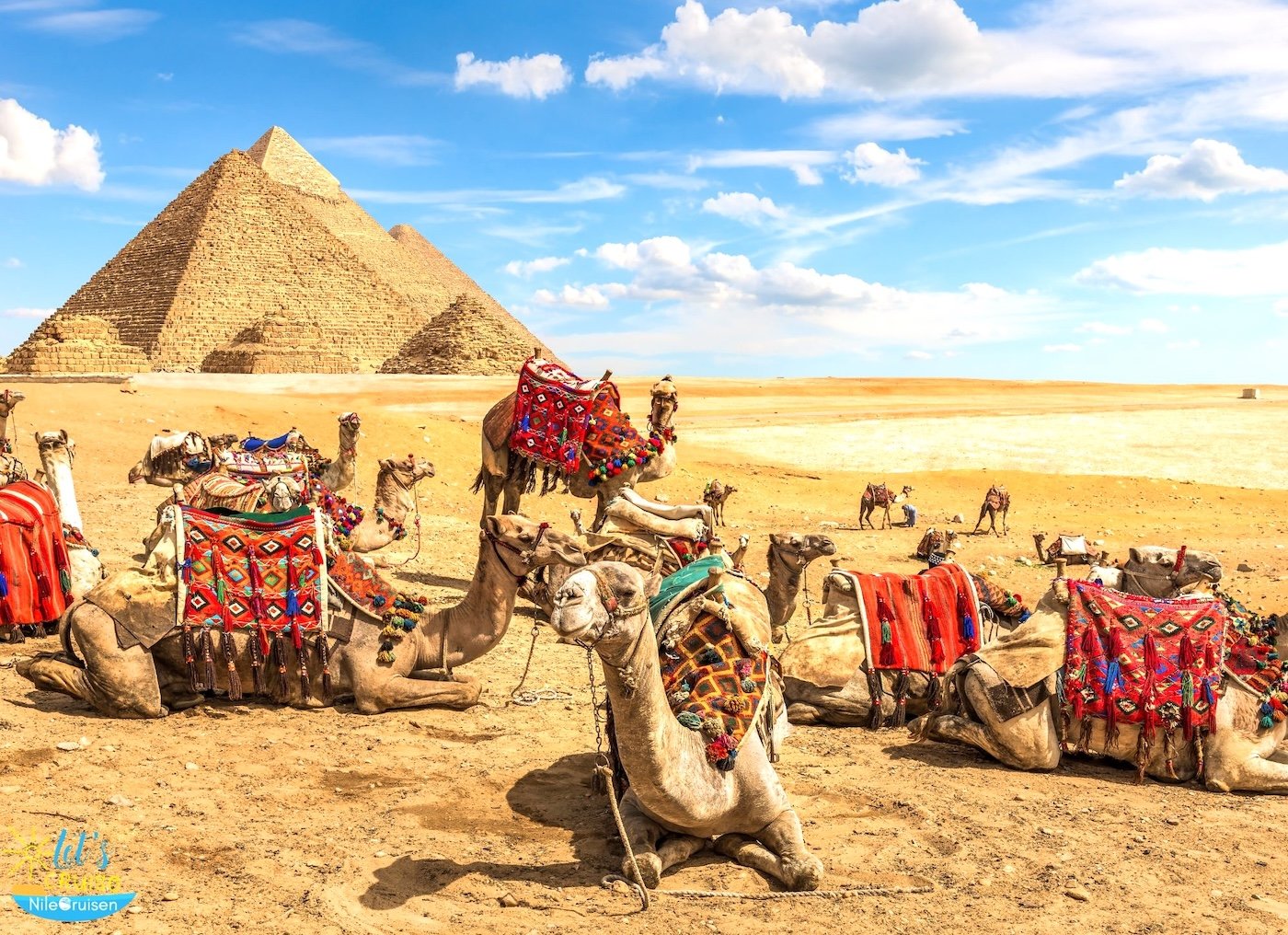
Pyramids are not just a triangular-looking, near-perfect square; they hold stories and carry the religious legacy of the pharaohs and proofs of early civilization near the Nile River. Well, if you are looking for an option to explore both the Nile and the pyramids, then tour packages of Nile Cruisen can be the best choice for you. Choose and book your Dahabiya Nile cruise and ensure a magical journey to Egypt.

This article was created by the team at Nile Cruisen, one of the best tour operators in Egypt for Nile cruises and tailor-made Egypt tours.
With years of experience sailing between Luxor and Aswan, our team knows the Nile better than anyone.
We share trusted travel advice, from the best time to visit and what to pack to simple tips for avoiding crowds.
Our goal is to help you enjoy the timeless beauty of Egypt with comfort, confidence, and an unforgettable travel experience.
- Nile Cruisen Team

- Nile Cruisen Team
- Nile Cruisen Team
- Nile Cruisen Team