 Nile Cruisen Team
 Quick Summary
The Red Sea is a narrow passage of the Indian Ocean that separates the continents of Asia and Africa, with an area stretching across about 450,000 square kilometers (roughly 174,000 square miles). It is the hottest and the saltiest open sea on the Earth. In this blog, explore further about the Red Sea and know about how you can witness it while touring Egypt, as it borders the northeastern part and is also a world-renowned destination for marine biodiversity.
Table of Contents
-
What is the historical significance of the Red Sea?
-
What is the location of the Red Sea?
-
What is so special about the Red Sea?
-
What is the marine life and ecosystem of the Red Sea like?
-
What are the geological features of the Red Sea?
-
What are the recreational activities and tourism opportunities in the Red Sea?
-
Tours packages By Nile Cruisen (Red Sea included)
-
Is it safe to swim in the Red Sea?
-
Why is the Red Sea called the dead sea?
-
What is the Red Sea called in the Bible?
-
Final Thoughts
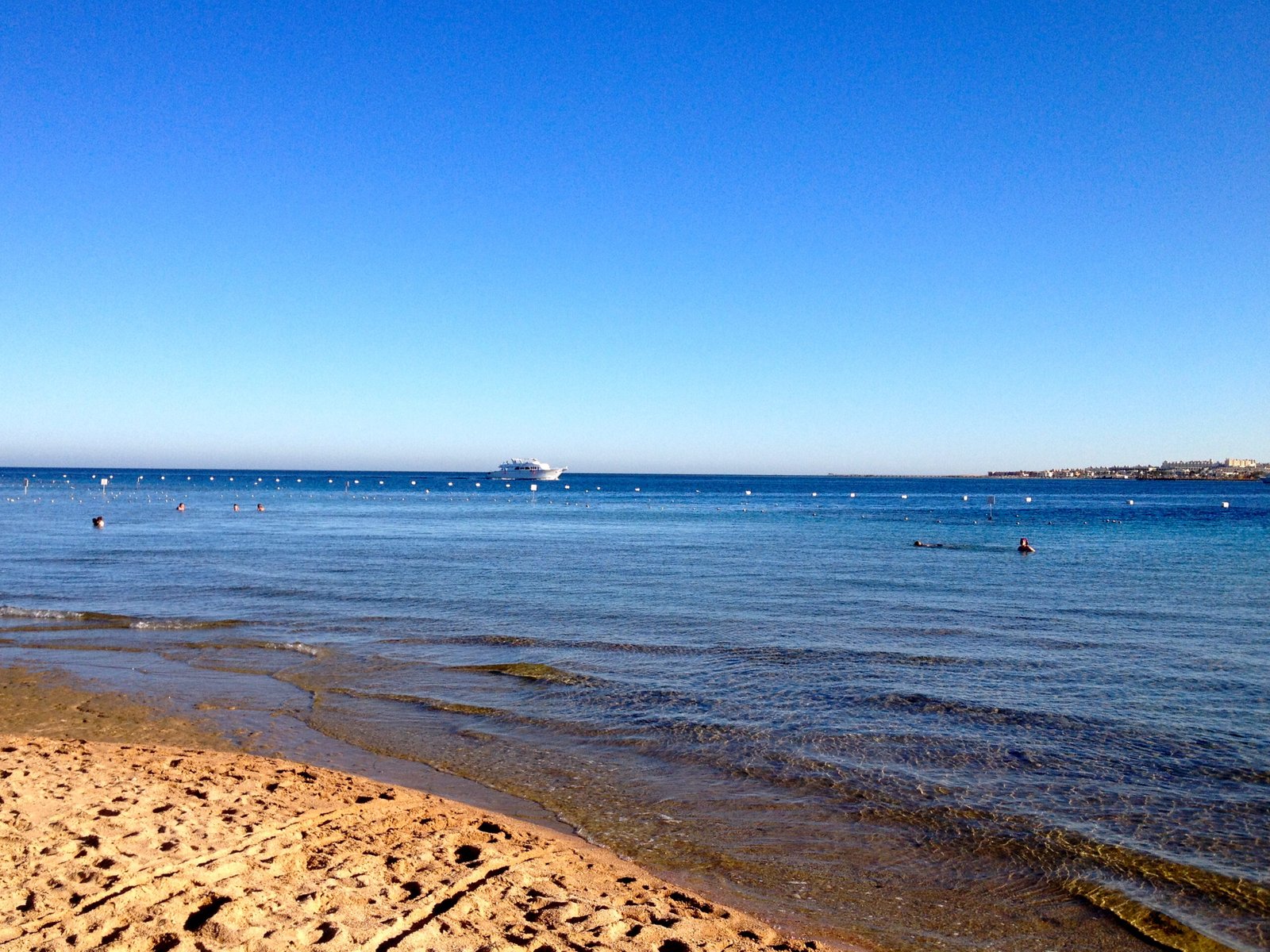
What is the historical significance of the Red Sea?
The earliest, as mentioned on the web, the ancient Egyptians were the earliest explorers of the Red Sea, using it to establish trade routes to the land of Punt, and major Egyptian expeditions took place around 2500 BCE and 1500 BCE during the reign of Queen Hatshepsut, which to this date can be seen on the walls of the mortuary temple of Hatshepsut at Deir el-Bahari in Luxor, which travelers explore during a Nile cruise in Egypt.
Also, the Red Sea is mentioned in the book of Exodus; then comes the Persian and Greek exploration by Darius the Great, who improved navigation and built a canal linking the Nile to the Red Sea, while Alexander the Great later expanded exploration toward the Indian Ocean. During the Roman Empire, the Red Sea became a major route connecting the Mediterranean with India and Asia for the exchange of spices, silk, and other valuable goods. Then in the Middle Ages, it was a vital part of the spice trade, and today it remains globally important through the Suez Canal, one of the world’s busiest shipping routes.
What is the location of the Red Sea?
The Red Sea stretches from Suez, Egypt, to the Bab el-Mandeb Strait, where it connects with the Gulf of Aden and the Arabian Sea, and it is bordered by six main coastal nations, which include Egypt, Sudan, Eritrea, and Djibouti to the west, alongside Saudi Arabia and Yemen to the east; also, Jordan and Israel border the Gulf of Aqaba in the northeast. The Red Sea occupies part of a large rift valley formed by the separation of the African and Arabian tectonic plates, and it measures approximately 1,200 miles (1,930 km) in length from the Suez Canal to the Bab el-Mandeb Strait.
What is so special about the Red Sea?
Here is mentioning the fascinating facts about the Red Sea that make it famous and one of the unique seas in the world.
- The Red Sea’s high salt content, around 35% greater than that of most seas, allows swimmers to float more easily on its surface.
- Its clear waters and colorful reefs make it one of the world’s most popular destinations for diving and snorkeling.
- The Suez Canal, opened in 1869, transformed the Red Sea into one of the world’s busiest international shipping routes.
- Popular Egyptian Red Sea destinations include Hurghada, Sharm El Sheikh, Marsa Alam, El Gouna, and Safaga.
- The Red Sea is located between northeastern Africa and the Arabian Peninsula.
- You can explore the Red Sea by scuba diving, snorkeling, liveaboard cruises, semi-submarine tours, and glass-bottom boats.
- It has unique marine life with hundreds of fish species and is also home to Trichodesmium erythraeum algae that make it appear red, but in reality, its water has a normal blue-green color; it seasonally appears red.
- The Red Sea is internationally recognized as one of the world’s best-managed marine ecosystems for conservation.
What is the marine life and ecosystem of the Red Sea like?
The Red Sea is one of the world’s richest marine ecosystems, which is home to more than 1,200 species of fish, with around 10% found nowhere else on earth. Since the opening of the Suez Canal in 1869, over 1,000 marine species have migrated from the Red Sea into the Mediterranean Sea, significantly changing its marine biodiversity.
The Red Sea features approximately 2000 km (1240 miles) of coral reefs, most of which developed between 5,000 and 7,000 years ago. Its coral reefs are mainly built by Acropora and Porites corals, creating reef platforms, lagoons, and famous underwater formations such as the Blue Hole at Dahab. The reefs provide habitat for a remarkable variety of marine life, including 44 species of sharks, over 175 species of nudibranchs (sea slugs), sea turtles, dolphins, and countless reef fish. Other coastal habitats include mangrove forests, seagrass meadows, salt marshes, and salt pans that support marine biodiversity.
To protect its exceptional biodiversity, Egypt established Ras Mohammed National Park in 1983, making it the first marine protected area in Africa and the Middle East. Around 12–15% of global trade passes through the Red Sea, making it one of the world’s busiest shipping routes.
What are the geological features of the Red Sea?
The Red Sea was formed millions of years ago when the Arabian Peninsula slowly separated from Africa, and it is one of the youngest seas in the world and is still gradually getting wider due to ongoing movement of the Earth’s crust, approximately 1 to 1.5 centimeters (about half an inch) per year. The seabed includes underwater valleys and basins created by this geological movement.
The Red Sea is 490 meters (1,608 feet) on average, but its central trench has a maximum depth of approximately 3,040 meters (9,974 feet). In some of its deepest areas, there are hot, extremely salty underwater pools, which are unique neutral geological features. The combination of tectonic activity, volcanic formations, and varied seabed landscapes makes the Red Sea one of the world’s most geologically fascinating bodies of water.
What are the recreational activities and tourism opportunities in the Red Sea?
Here is the list of activities that you can perform at Red Sea beaches near Hurghada and Marsa Alam.
Scuba Diving: Explore the famous coral reefs, underwater caves, drift dives, and historic shipwrecks. Popular sites are Elphinstone Reef and Abu Dabbab.
Snorkeling: If you are not a professional diver but want to have a similar experience, then prefer snorkeling to witness crystal-clear waters and vibrant coral gardens teeming with tropical fish, sea turtles, and colorful marine life.
Sea Turtle and Dugong Watching: Abu Dabbab Bay in Marsa Alam is one of Egypt’s best places to see green sea turtles and the rare dugong in their natural habitat.
Water Sports: On all-inclusive packages during your stay at Hurghada or Marsa Alam, you can enjoy parasailing, jet skiing, banana boat rides, kayaking, paddleboarding, sailing, and glass-bottom boat tours.
Kitesurfing and Windsurfing: Hurghada’s steady winds and calm lagoons make it one of Egypt’s top destinations for these sports.
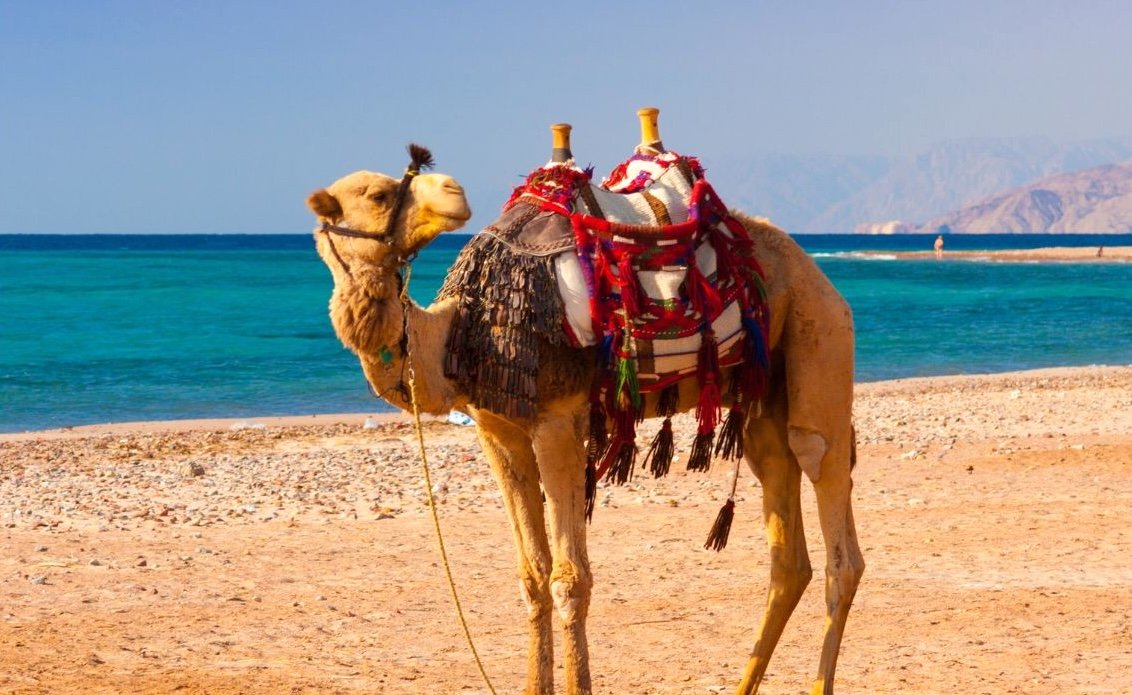
Desert Safari Adventures: International tourists also get to experience quad biking, dune buggy rides, camel trekking, Bedouin village visits, traditional dinners, and stargazing in the Eastern Desert.
Luxury Beach Resorts and Wellness: Also, you get opportunities to relax at beachfront resorts offering private beaches, spas, wellness treatments, and family-friendly facilities.
Marine Parks and Ecotourism: Visit the protected marine areas and enjoy responsible wildlife experiences while learning about coral reef conservation.
Sunset Cruises and Private Yacht Charters: While on a holiday to Egypt, plan your sea excursions on your own and end the day with a sunset sail, private yacht excursion, or luxury catamaran cruise along the Red Sea coast.
Tours packages By Nile Cruisen (Red Sea included)
- Nile Cruise and Red Sea Package Trip available in 7 and 8 days
- Egypt Trip (10 days): Cairo, Nile Cruise, and Hurghada (Red Sea)
- 9-Day Trip: Cairo, Nile Cruise, Alexandria & Hurghada
- 12-Day Egypt Itinerary: Cairo, Nile Cruise & Marsa Alam
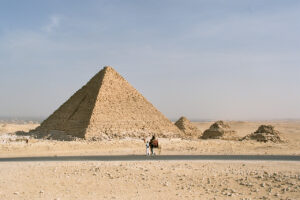
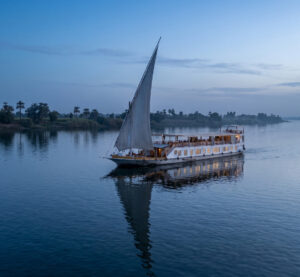
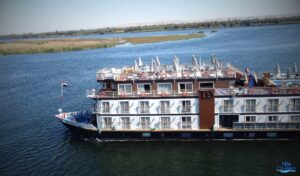
On these packages you don’t just explore coastal Egypt; you also witness the beauty of the longest African river with an Egypt river cruise and the world wonder, the great pyramids. Explore more at our page, Egypt tours, on the website.
Is it safe to swim in the Red Sea?
Yes, it is safe to swim in the Red Sea, but the authorities advise it only at the designated spaces, and swimmers should follow the safety protocols. Ensure that you are familiar with swimming at sea, as every different water body offers a unique atmosphere, so follow the guidelines. Also ensure not to touch the marine life and coral reefs, as they are aggressive and defensive mechanisms. The Red Sea is a habitat for sharks, so ensure you must understand and have knowledge of sharks’ risks.
Why is the Red Sea called the dead sea?
First of all, the Red Sea is not the Dead Sea; a lot of times people confuse them. The Dead Sea can be a water body that is landlocked and more like a hypersaline lake, whereas the Red Sea is a true saltwater sea connected to the Indian Ocean. The Red Sea is like a narrow strip that is connected to the Mediterranean Sea via the Suez Canal in Egypt and to the Indian Ocean via the Bab el-Mandeb Strait. The Dead Sea is about 190 kilometers north of the Red Sea, located along the border of Jordan, Israel, and at the west bank, which is also the lowest point on Earth’s land surface.
What is the Red Sea called in the Bible?
In the Hebrew Bible, the Red Sea is referred to as Yam Suph in the Book of Exodus, which is the second book of the Bible. Traditionally, Yam Suph has been identified as the Red Sea. In the 10th century, Rabbi Saadia Gaon, in his Judeo-Arabic translation of the Torah, identified the crossing place as Baḥar al-Qulzum, meaning the “Gulf of Suez.”
Final Thoughts
The Red Sea is a dynamic and geographically rich water body with unique maritime ecosystems. On a vacation to Egypt, missing it can be regretful, so after exploring the history of the pharaohs and pyramids and taking a Nile cruise, plan a relaxing coastal getaway to Red Sea resort cities near famous beaches to witness the natural wonder and unique marine atmosphere of the sea.

This article was created by the team at Nile Cruisen, one of the best tour operators in Egypt for Nile cruises and tailor-made Egypt tours.
With years of experience sailing between Luxor and Aswan, our team knows the Nile better than anyone.
We share trusted travel advice, from the best time to visit and what to pack to simple tips for avoiding crowds.
Our goal is to help you enjoy the timeless beauty of Egypt with comfort, confidence, and an unforgettable travel experience.
- Nile Cruisen Team
- Nile Cruisen Team

- Nile Cruisen Team
- Nile Cruisen Team