 Nile Cruisen Team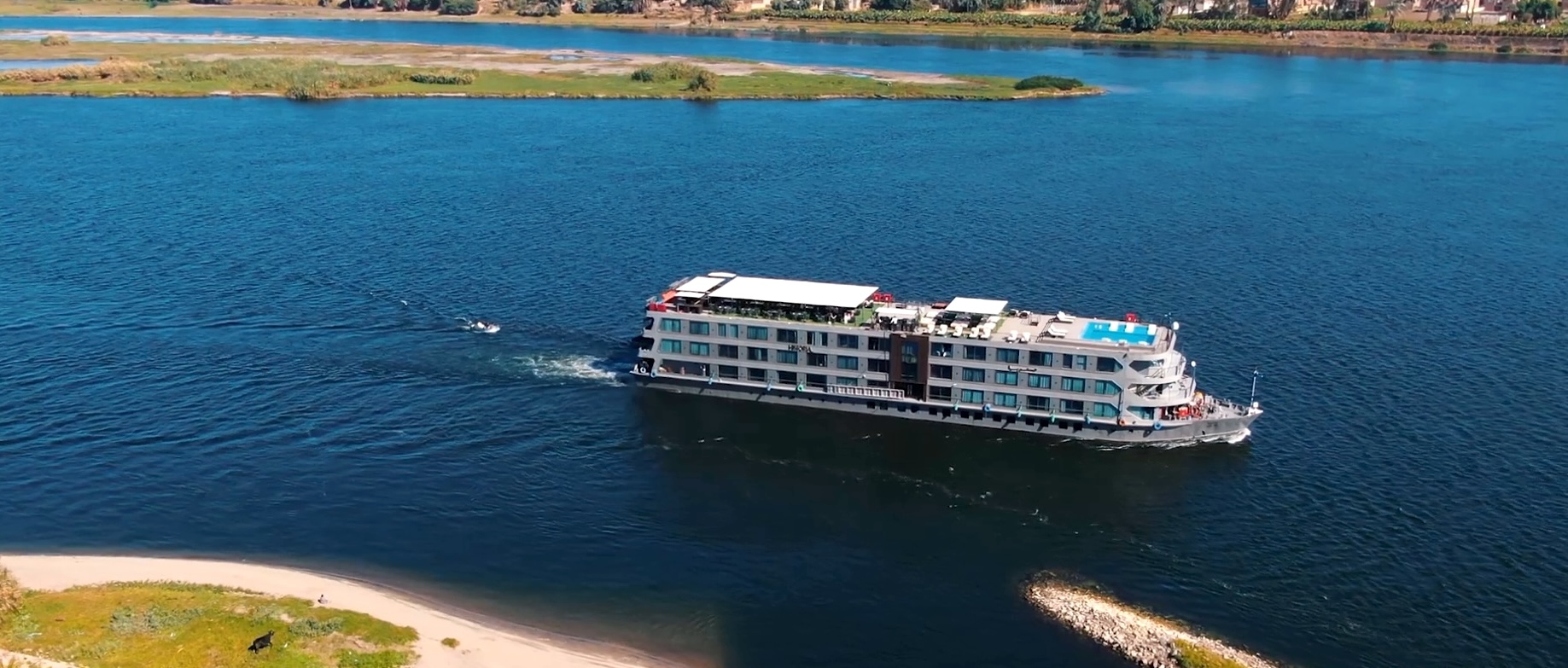
Egypt, and especially river cruising between Luxor and Aswan, tops the American traveler’s luxury travel bucket list. This preference does not represent just a passing tourist desire but rather the product of a close convergence between contemporary Western travel philosophy—which seeks absolute logistical comfort, safety, and in-depth education—and the geographical and historical nature of the Nile Artery, where the greatest evidence of human civilization lies directly on the river’s banks.
1. Logistical liberation: “Unpack Once” concept and seamless mobility
A traveler coming from the United States on a transcontinental flight that is more than 10 to 15 hours long is looking for a travel experience free of operational stress. The Nile Cruise offers the advantage that tour operators and luxury vacation lovers are looking for:
Full-fledged floating hotel: The guest unpacks his bags only once for the duration of the trip (3, 4, or 7 nights). No daily packing, no frequent check-outs, and no hours spent in domestic airports or ground buses.
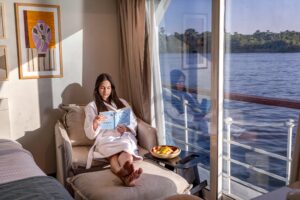
Rejuvenating views without a stressful physical transition: the luxury cabin or suite moves with the traveler, where the traveler sleeps in a city and wakes up to find a new world landmark in front of his panoramic balcony, starting from the edifices of Karnak in Luxor all the way to Philae Island in Aswan.
2. Cognitive enrichment: the experience of the accompanying Egyptologist (The Egyptologist)
The American tourist mentality is characterized by a high cognitive passion and a willingness to invest in trips of an educational and exploratory nature.
Continuous academic accompaniment: Luxury cruise lines allocate a licensed archaeological guide (certified Egyptologist) who accompanies the group from the moment of boarding until departure.
Deconstructing symbols and telling history: The role of the guide goes beyond simply telling dates; rather, it provides an analysis of daily life in ancient Egypt, reading wall texts in the royal tombs in the Valley of the Kings, and linking modern discoveries to the global context, which gives the tourist an added value that goes far beyond what individual tours provide.
3. The symbolic place of Egyptian civilization in American culture
American interest in Egypt has cultural and educational roots that extend back decades:
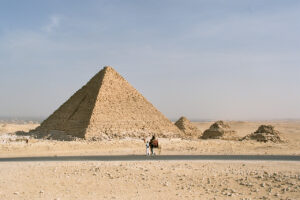
School Curriculum: The study of ancient history in most American schools begins in the Nile Valley, cultivating the desire to see the pyramids, the Sphinx, and the treasures of Tutankhamun as an early childhood dream.
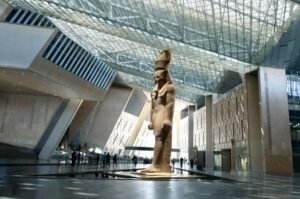
Contemporary Cultural Momentum: Intense media coverage of major museums—such as the openings of the Grand Egyptian Museum (GEM) and the Museum of Civilization (NMEC)—along with periodic discoveries at Saqqara and Luxor, makes Egypt the headline of American travel programs like Travel + Leisure and Condé Nast Traveler.
4. Diversity of sailing styles: a comparison between luxury river ships and traditional dahabiyas
The tourist fleet on the Nile meets the aspirations of various segments of American society, from large families to those seeking tranquility and privacy:
| Comparison | Luxury Nile Cruises | Boutique Dahabiyas |
| Number of guests: | 60 to 140 guests on average. | 8 to 20 guests only (family or private) |
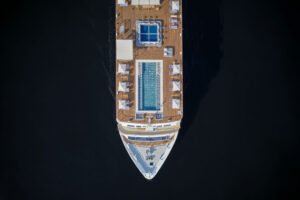
| Facilities and Services: | Spacious rooftop swimming pools, spa centers, gyms, multiple restaurants, and evening entertainment shows. | Quiet sundeck, chefs serving fresh, made-to-order cuisine, and highly personalized service. |
| The nature of sailing: | Modern Nile cruises according to organized and fixed sailing schedules. | Silent, wind-driven sailing (with a tow boat when needed), with the possibility of stopping at remote islands and villages. |
| Target American segment: | Families, organized tour groups, and lovers of hotel resort services. | Privacy seekers, honeymooners, and quiet luxury travelers. |
5. Organized travel environment, safety, and reliability
The standard of safety (safety & predictability) constitutes a major pillar when making a travel decision for an American tourist:
Integrated logistical management: Cruise trips provide a protected tourist environment subject to precise landing times and logistical security for all transportation operations to the temples via air-conditioned and equipped tourist vehicles.
Global Hospitality Partnerships: The presence of major global hotel brands and certified operators in the US market (such as Viking, Abercrombie & Kent, Mövenpick, Sonesta, and Sanctuary Retreats) gives guests confidence in water quality, cleanliness, cooking standards, and availability of prompt medical care.
6. The healing and meditative aspects of the nature of the Nile
Away from temples and stones, the American traveler finds a recuperative refuge from the pressures of work on a Nile Cruise:
The everlasting landscape: The unique contrast between the green river banks filled with palm forests and the golden sand dunes of the desert creates a soothing visual spectacle.
Daily relaxation ritual: Sitting on the roof at sunset (Sunset High Tea), observing the movement of simple sailing boats and Nile birds, and enjoying the sunny and mild weather during the winter and fall months represents a rare relaxation experience that is not repeated in European or American destinations.
Popular itineraries and preferred schedules for American tourists
1. Luxor to Aswan itinerary (4 nights / 5 days): It begins with a visit to the Karnak and Luxor Temples, the tombs of the Valley of the Kings and the Temple of Hatshepsut, then sails towards Edfu (Temple of Horus) and Kom Ombo (Temple of Sobek and Horus), and ends in Aswan with a visit to the Temple of Philae, the Unfinished Obelisk, and the High Dam.
2. Aswan to Luxor Itinerary (3 nights / 4 days): Starts in Aswan and goes upstream north towards Luxor, covering the same major monuments in a condensed schedule.
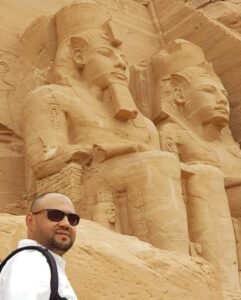
3. Extended major programs (7 nights / 8 days): It combine Luxor and Aswan round trip, or extend to include Lake Nasser cruises to visit the temples of Ramesses II and Nefertari in Abu Simbel.

This article was created by the team at Nile Cruisen, one of the best tour operators in Egypt for Nile cruises and tailor-made Egypt tours.
With years of experience sailing between Luxor and Aswan, our team knows the Nile better than anyone.
We share trusted travel advice, from the best time to visit and what to pack to simple tips for avoiding crowds.
Our goal is to help you enjoy the timeless beauty of Egypt with comfort, confidence, and an unforgettable travel experience.
- Nile Cruisen Team
- Nile Cruisen Team

- Nile Cruisen Team

- Nile Cruisen Team