 Nile Cruisen Team
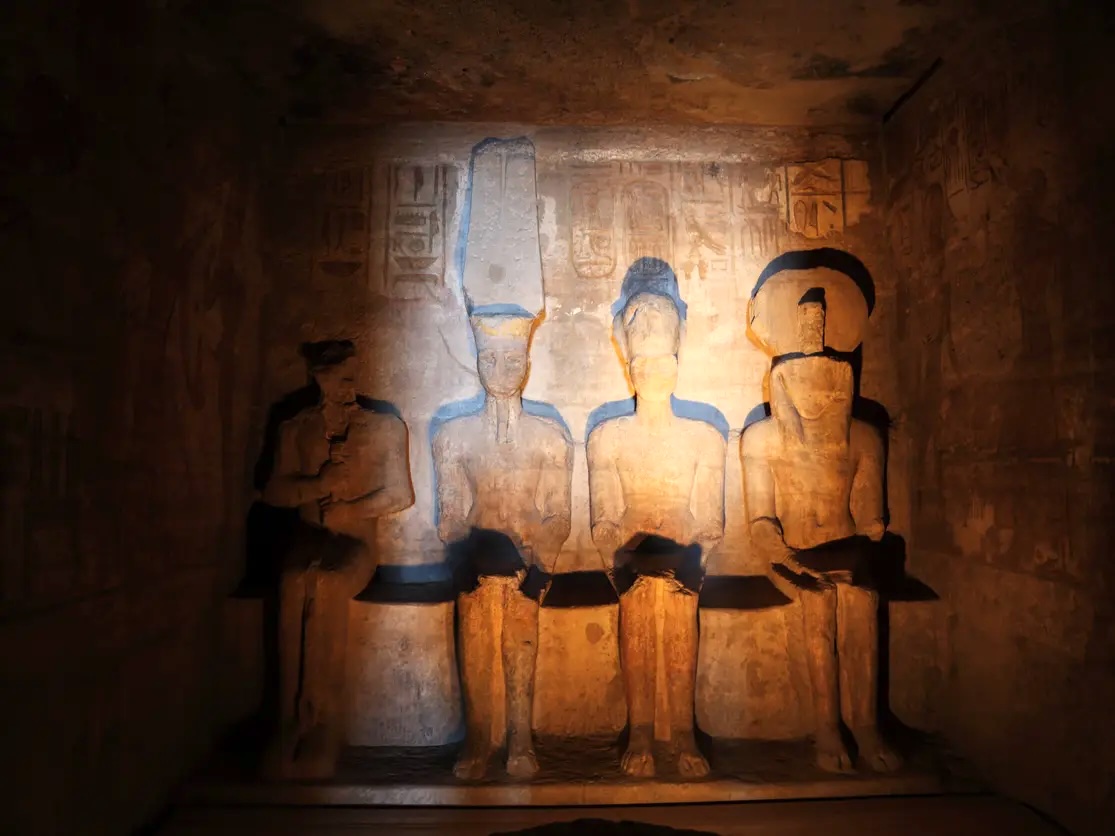
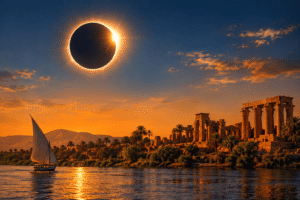
Aswan Governorate, in coordination with the Ministry of Tourism and Antiquities in Egypt, is putting the final touches on an integrated preparation plan to receive the phenomenon of the sun perpendicular to the Temple of Abu Simbel, a unique astronomical and architectural event that is repeated only twice a year, refocusing the world’s attention on the genius of ancient Egyptian engineering.
On the morning of October 22, the international tourism compass turns towards the historic city of Abu Simbel, where the sun’s rays creep in at dawn to penetrate the hypostyle hall and extend for a distance of more than 60 metres, reaching the “Holy of Holies” chamber to illuminate the face of King Ramses II, amid the expected presence of thousands of tourists, followers and representatives of the international media.
Details of astronomical phenomena and accuracy of engineering calculations
The phenomenon embodies an exceptional astronomical, architectural, and engineering miracle created by the ancient Egyptians inside the temple of King Ramesses II:
- Path of the sun’s rays: The sun penetrates the main entrance of the temple and moves through the corridors until it rests within the Holy of Holies for about 20 to 22 minutes.
- Target statues: The rays shine directly on three statues inside the room:
I- King Ramesses II (deified).
II- The god Ra Hor-akhty (god of the rising sun).
III- The god Amun-Ra (king of the gods and god of the sun and fertility). - Exception for the statue of the god Ptah: The morning sun remains completely away from the statue of the god Ptah (god of the underworld and darkness), in a symbolic and philosophical precision that confirms the depth of the religious and astronomical vision of the Pharaohs.
- Accuracy of transportation and rescue: The phenomenon maintained its precise engineering timing even after the UNESCO international campaign to transport and rescue the two temples of Abu Simbel in the 1960s to protect them from the waters of Lake Nasser.

Axes of field and organizational preparations in Aswan and Abu Simbel
| Focus of action | Executive measures and actions taken |
| Routes and crowd: |
|
| Giant digital screens: |
|
| Transportation and logistics: |
|
| Facilities and services: |
|
| Accompanying cultural events: |
|
| Emergency and medical preparedness: |
|
The tourism and economic significance of the event
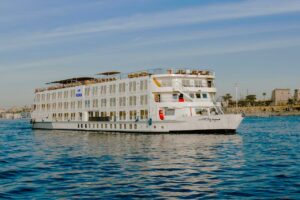
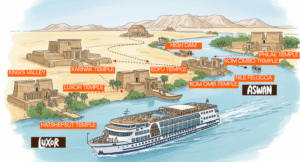
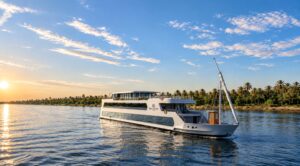
The sun’s perpendicularity on October 22 represents the official starting point for the winter tourism season in Upper Egypt, as hotel establishments, environmental camps in Abu Simbel, and tourist ships (Nile Cruise in Egypt) operating between Luxor, Aswan, and Lake Nasser record occupancy rates coinciding with this event.