Is Egypt in Africa? Understanding its locations and Geography
Table of Contents
-
Introduction
-
Where is Egypt in Africa?
-
Is Egypt in Africa or Asia?
-
Is Egypt in North Africa?
-
Is Egypt a rich country in Africa?
-
The regional importance of Egypt in Africa
-
Conclusion
Introduction
Yes, Egypt is in Africa; it’s a country that’s part of the African continent. The country is a significant part of the whole continent, holding prominent history and the world wonder pyramids, and is widely known for civilization in ancient times and archaeological places. The river Nile is also an important part of Egypt and contributes to its economy as well.
Despite having global recognition, a lot of times people still get confused about the strategic location of Egypt because it is situated on the crossroads of the Asian and African continents. Here is this piece of content, explaining the location, geography, and cultural significance of Egypt in detail. This blog also explains the global image and connection of Egypt with other nations and continents.
Where is Egypt in Africa?
Egypt is situated in the northeastern corner of the continent; most of the area of the nation lies on the continent. To the north, the country borders, and to the east, it borders the Red Sea. This strategic location of the country makes it an important gateway between Africa, Europe, and Asia. Historically, the geography of the country is important from the point of view of trade and diplomacy, and marks of it show as well, from the city of Alexandria to Aswan in the south.
All the international organizations, maps, geography, and academic clarification identify Egypt as a part of the African continent. A lot of times children and even adults get confused that Egypt is part of Asia. Why do some people think Egypt is in Asia?
Is Egypt in Africa or Asia?
One of Egypt’s territories includes a region named the Sinai Peninsula. Which lies in Asia, the Sinai Peninsula is located on the east banks of the Suez Canal; geographically, it shows it as a part of western Asia. It concludes by making Egypt a transcontinental country, which means it shares land with both Asia and Africa.
The part of the land in Western Asia is a smaller percentage of the whole country’s total territory. Another reason that makes it part of Africa is most populous cities and a lot of historical landmarks are situated in the African part.
Is Egypt in North Africa?
Yes, Egypt is part of North Africa, and it consists of a total of five countries with a coast on the Mediterranean and western Sahara. The countries are:
- Algeria, the largest country in Africa, shares a coastline with the Mediterranean and part of the Sahara Desert.
- Egypt: situated in the northeastern part of Africa, special for the Nile Valley, and stretches to the Sinai Peninsula.
- Libya has a major oil-producing territory and is situated between Egypt and Tunisia.
- Morocco shares a border with Algeria and is a kingdom on the Atlantic and coast.
- Tunisia: one of the smallest countries in North Africa, located on the northernmost tip of Africa.
Is Egypt a rich country in Africa?
Yes, Egypt is a developing country and one of the largest economies on the African continent. The main components of its economy are tourism, agriculture, farming, and trade, especially through the Suez Canal. In all these factors, tourism remains a key component to contribute to the economy because the country is home to the seventh world wonder and many other historical sites as well.
The influence of infrastructure and economic reforms has benefited Egypt in recent years to strengthen its global image. In short, Egypt is a potential economy with an average income level and development in comparison to many other countries on the continent.
The regional importance of Egypt in Africa
Below here is a mention of the importance of Egypt in Africa and why it is one prominent country on the continent; majorly, it acts as an important bridge between Africa, the Middle East, and Europe. Egypt is strategically important from a geopolitical standpoint; other significances are mentioned here.
- Egypt lies at the crossroads of Africa and Asia, giving it a unique geopolitical advantage. The Suez Canal connects the Mediterranean Sea to the Red Sea, making it one of the most important global trade routes.
- Egypt depends heavily on the Nile River, which is vital for agriculture, drinking water, and energy. Water management agreements make Egypt a key player in African environmental and resource issues.
- Egypt plays an active role in African organizations such as the African Union. It participates in peacekeeping missions and conflict resolution efforts across Africa.
- Egypt is one of the oldest civilizations in the world, with a cultural legacy that influences Africa and beyond. Its history, language, media, and education systems contribute to its soft power in the region.
- Egypt has one of the strongest militaries in Africa, and it plays a key role in maintaining regional stability and security. Its strategic partnerships help in coping with terrorism and protecting trade routes.
Conclusion
Egypt, on the African continent, is not just a country on the map but also plays a major role in economic strength, political influence, and trade. The country plays a major within the continent and links Africa to it. It is a major country on a world level, as it is also for historical spots that attract tourists.
Here, if you know how Egypt plays a major role in the continent, plan a trip to such a diverse country, take a Nile cruise in Egypt, and witness the magic of river sailing in a calm environment. Need any travel support? Contact our experts now.

This article was created by the team at Nile Cruisen, one of the best tour operators in Egypt for Nile cruises and tailor-made Egypt tours.
With years of experience sailing between Luxor and Aswan, our team knows the Nile better than anyone.
We share trusted travel advice, from the best time to visit and what to pack to simple tips for avoiding crowds.
Our goal is to help you enjoy the timeless beauty of Egypt with comfort, confidence, and an unforgettable travel experience.
- Nile Cruisen Team

- Nile Cruisen Team
- Nile Cruisen Team

- Nile Cruisen Team

The Journey of a Lifetime: Sail the World’s Longest River in Style
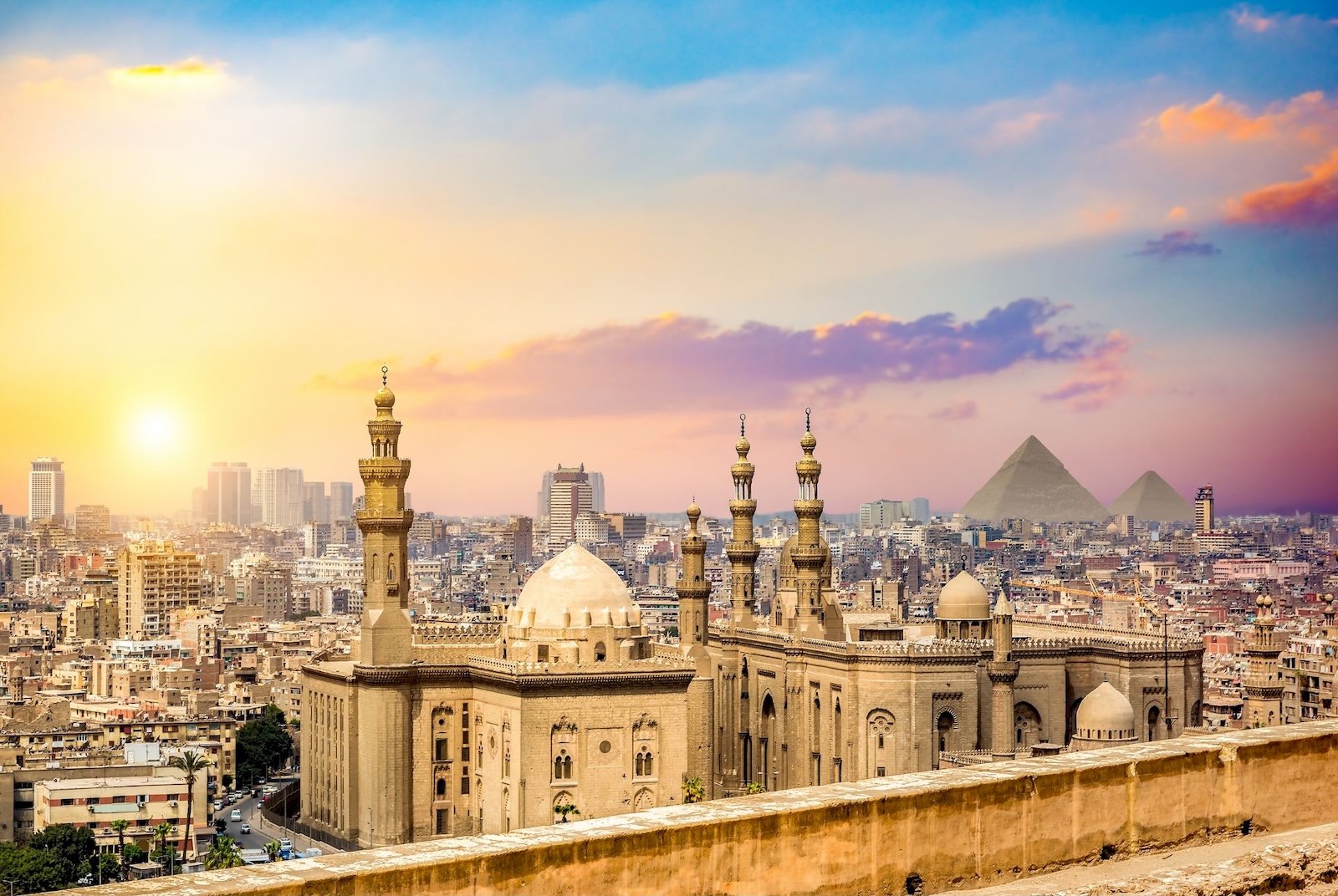
10-Day Egypt Itinerary: Cairo & Nile Cruise
Start from
$1209 / U$D
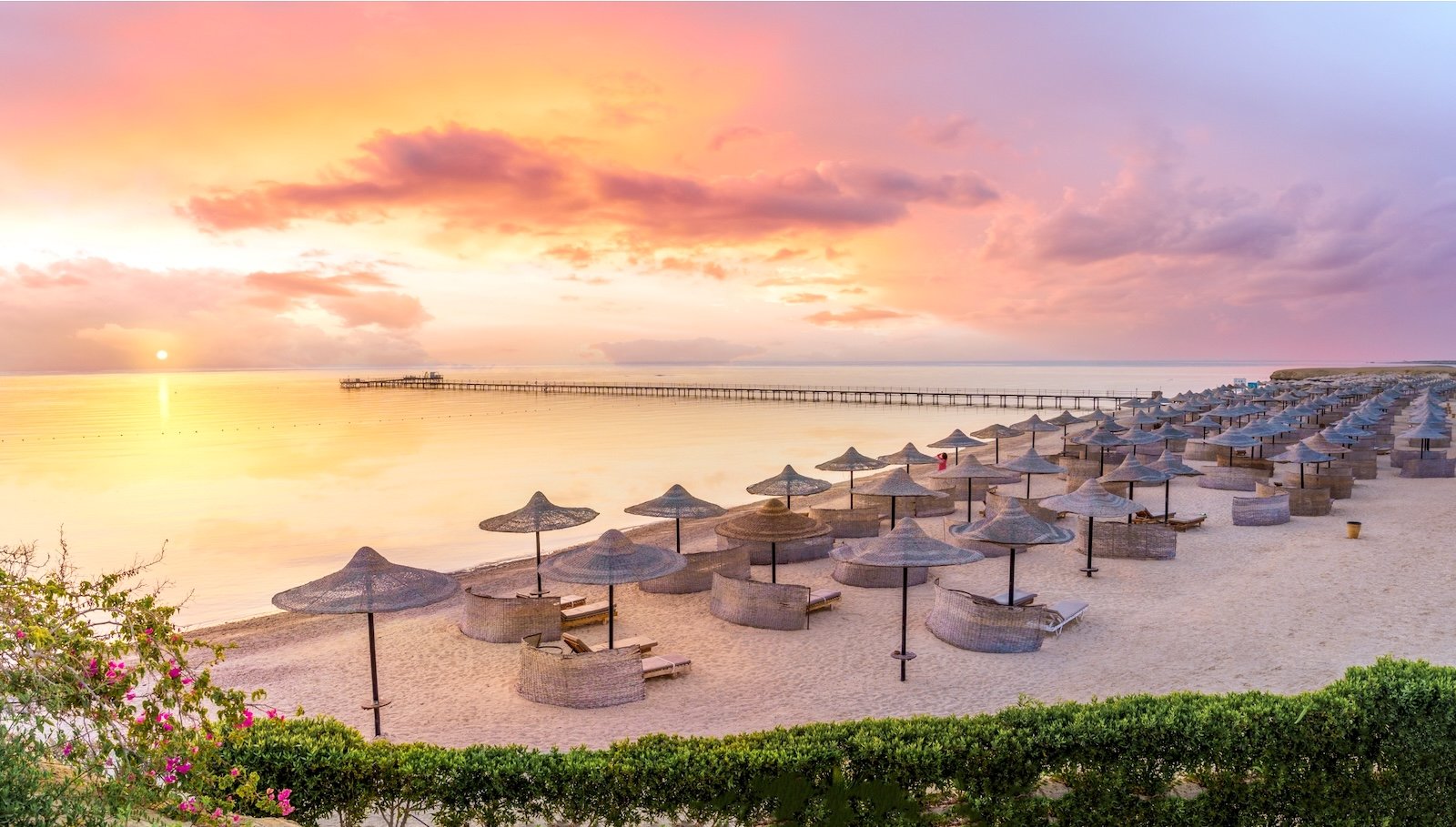
12-Day Egypt Itinerary: Cairo, Nile Cruise & Marsa Alam
Start from
$1479 / U$D
10-Day Egypt Itinerary: Cairo, Nile Cruise & Alexandria
Start from
$1219 / U$D
Trusted Partners
Nile Cruisen: Chosen by Leading Brands as Egypt's Top Cruise Operator