What is a vizier in ancient Egypt?
Viziers in ancient Egypt are the highest-ranking officials that serve the pharaoh. In common words, they are the right hand of the pharaoh and keep records of activity in a state. They order, observe, report, and take important actions as Pharaoh guides them. They are the chief administrators of the state and are recognized as the second most powerful personality after a pharaoh.
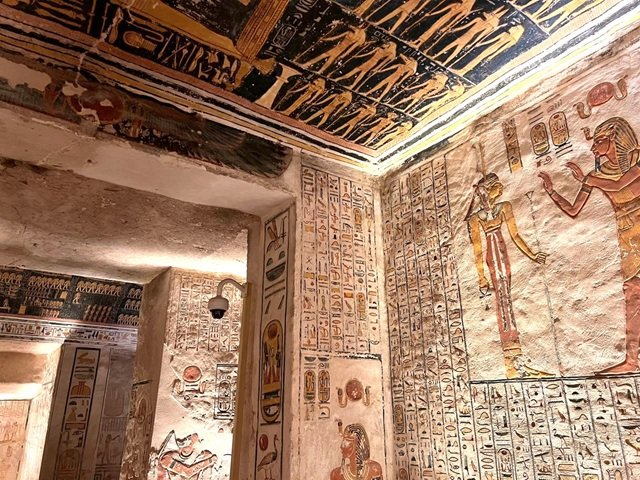
In many places or in museums, you will see the vizier’s role painted on the walls or around the tombs. During the Nile cruise in Egypt, travelers encounter the ancient hieroglyphs, which dedicated tour guides explain to the travelers. Let’s know more about the vizier in ancient Egypt, from its importance to its role.
What did a vizier do in daily life in ancient Egypt?
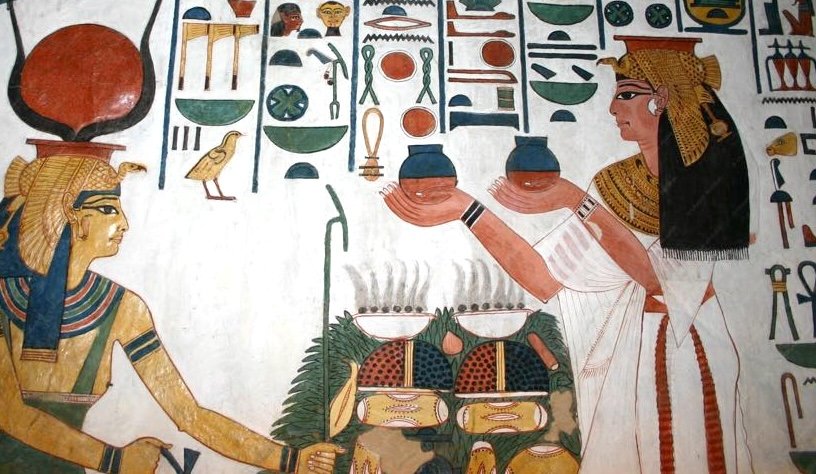
Egyptian courts and legislature are the ones that shaped its history and legacy. So, travelers on Nile cruises in Egypt usually have a keen interest in knowing about the vizier’s daily routine. One of their daily activities involves both leadership and intense organization. Their typical duties include holding court to listen to legal cases, reviewing official reports from governors, and inspecting building projects such as temples and canals.
They also carried out meetings with scribes and officials, advised the pharaoh on important decisions, and ensured laws were applied fairly in every state. Because Egypt relied heavily on order (known as Ma’at), the vizier’s job was to maintain balance, fairness, and stability throughout the land.
What did ancient Egyptian viziers eat?
Viziers belonged to the elite class and enjoyed a diet far richer than ordinary citizens. Their meals likely included fine wheat bread; roasted meat such as beef and duck; fresh fish from the Nile; fruits like figs, dates, grapes, and pomegranates; vegetables such as lettuce, onions, and lentils; honey-sweetened cakes; and high-quality beer.
Unlike farmers and workers who ate simple meals, viziers eat as part of Egypt’s noble class, often in large banquets with other officials.
What did a vizier wear?
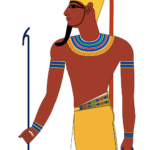
A vizier’s clothing reflected their high status and authority. Typical attire included fine linen robes, often white and carefully pleated. Attires have decorative collars made of gold and precious stones and sandals crafted from leather. It is a ceremonial staff symbolizing authority Sometimes a wig made from human hair or plant fibers is also included in daily wear.
Their appearance was meant to communicate power, respect, wisdom, and prestige. Clothing in ancient Egypt was a social language, and a vizier’s appearance immediately signaled their importance in the official tasks and also defined their rank.
What was the most important duty the vizier had?
The vizier also acted as the chief judge of Egypt and closely followed the orders of the great pharaohs, who were seen as living gods. They were responsible for overseeing courts, settling disputes among the public, ensuring fair punishment, protecting the weak, and enforcing royal laws.
In ancient Egypt the people believed the vizier represented the pharaoh’s justice on earth. Their fairness was crucial to maintaining trust between the rulers and the population. Their duty is to ensure that Ma’at was followed and its core values are respected.
Which vizier is famous in Egypt?
A fact that fascinates the travelers of the Dahabiya Nile Cruise is that Imhotep, a famous vizier, is the architect of the first pyramid in Saqqara. His architectural achievements include designing the Step Pyramid for Pharaoh Djoser. He introduced the use of stone instead of mud bricks, which contributed to creating a complex of temples, courtyards, and ceremonial spaces.
Helped in establishing architectural techniques later used in building pyramids. Before Imhotep, monumental buildings were simple. After him, architecture evolved into one of humanity’s greatest artistic achievements.
What is the role of the vizier in ancient Egypt?
Although the vizier had many responsibilities, their most important duty was upholding Ma’at (Truth, Justice, and Order), a major principle in the ancient dynasties of Egypt. This means that the vizier of the dynasty will ensure fair judgments in courts, prevent corruption, and also be responsible for maintaining honesty in administration and protecting the people from injustice.
The core focus of them is keeping harmony between the government and the population. The official vizier was seen as the guardian of justice. If the vizier failed, chaos could spread throughout the kingdom and result in major instabilities.
Conclusion
While on your Nile cruise from Luxor to Aswan, as travelers you can see or read about the role of the vizier in the Egyptian temple informational boards. Even the tour guides, like Nile Cruisen have will can also shed light on important factors that are responsible for making Egyptian history a story of legacy and proof of kingship. Even after centuries, the role of viziers and their documentaries and books are studied by archaeologists and historians, which helped them in drafting Egyptian history to the world through research.

This article was created by the team at Nile Cruisen, one of the best tour operators in Egypt for Nile cruises and tailor-made Egypt tours.
With years of experience sailing between Luxor and Aswan, our team knows the Nile better than anyone.
We share trusted travel advice, from the best time to visit and what to pack to simple tips for avoiding crowds.
Our goal is to help you enjoy the timeless beauty of Egypt with comfort, confidence, and an unforgettable travel experience.
- Nile Cruisen Team
- Nile Cruisen Team

- Nile Cruisen Team

- Nile Cruisen Team

Trusted Partners
Nile Cruisen: Chosen by Leading Brands as Egypt's Top Cruise Operator