Aswan is a historic city in Upper Egypt and was the capital of the Aswan governorate, located along the legendary river Nile; it is one of the oldest continuously inhabited cities in the world, with a recorded history of over 2,600 years. Aswan is recognized by UNESCO as a Creative City for its traditional crafts and folk art, and in 2017, Aswan joined the UNESCO Global Network of Learning Cities, highlighting its commitment to education and cultural development. Learn more about a major Egyptian city in depth that you are likely to explore while cruising the Nile if you have it on your Egypt vacation itinerary.
Where is Aswan located in Egypt?
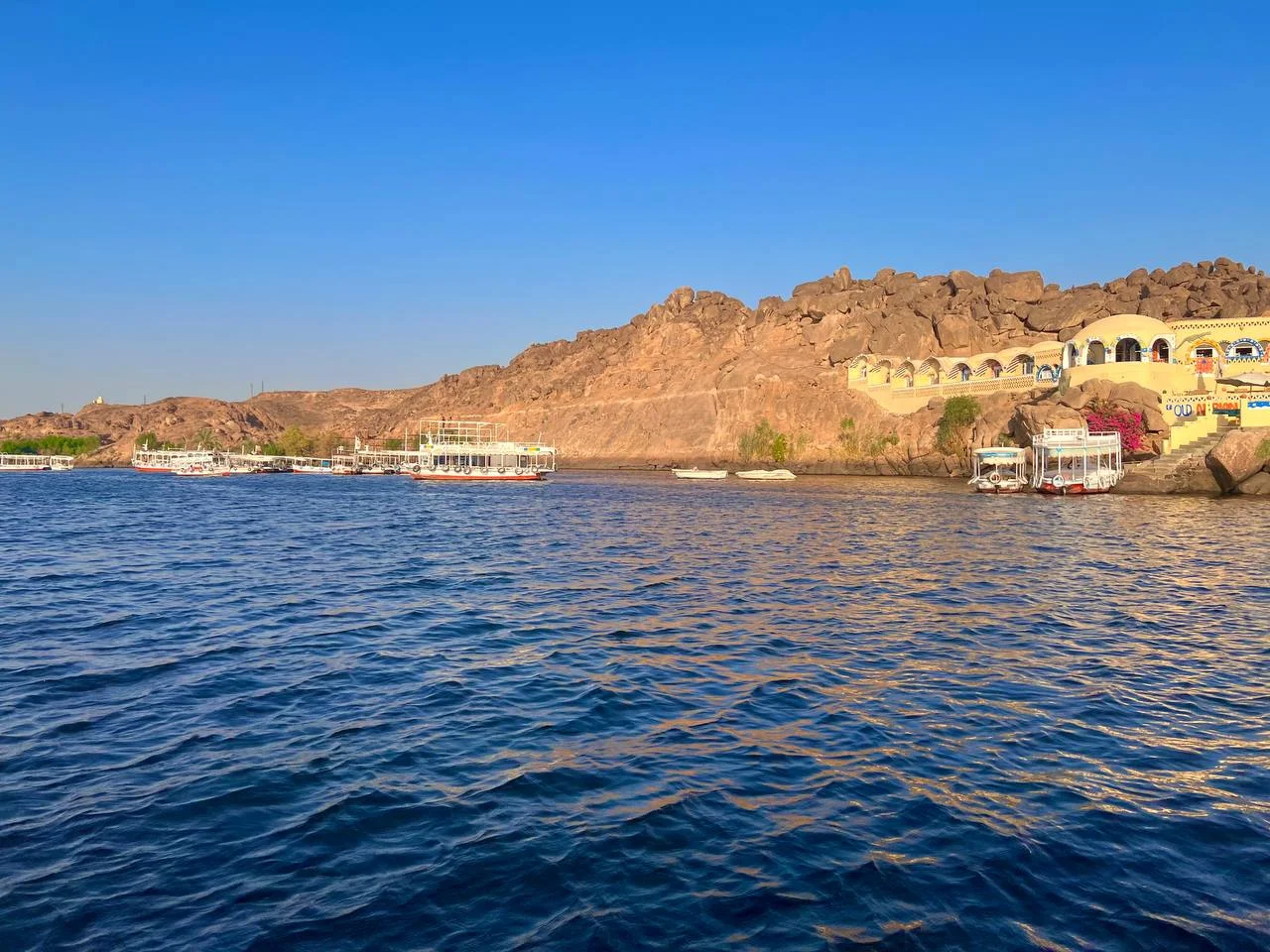
Aswan is located on the east banks of the Nile River, just north of the Aswan High Dam near the first cataract of the Nile in Egypt. The city lies about 900 kilometers south of Cairo and is close to Egypt’s border with Sudan and is mostly surrounded by the eastern desert, with rocky hills, granite outcrops, and islands such as Elephantine.
How’s the climate of Aswan?
Aswan’s latitude is close to the Tropic of Cancer, which makes it one of the sunniest places on Earth and gives it a hot desert climate with long, extremely hot summers and short, mild winters.
Aswan enjoys around 3,863 hours of sunshine each year, giving it one of the highest sunshine levels on Earth, and rain is extremely rare, making the climate dry. So, the best time to visit Aswan is from October to April, when temperatures are cooler and ideal for sightseeing.
Aswan Ancient Egypt
Aswan was known in ancient times as Swenett or Syene, and it served as the southern frontier of ancient Egypt. Why is it called Swenett? The name is believed to mean “trade” or “market” in ancient Egyptian and serves as a major commercial gateway connecting Egypt with Nubia and other regions of Africa. The city was one of Egypt’s most important military garrisons, where taxes and customs were located from boats sailing along the Nile during the ancient times.
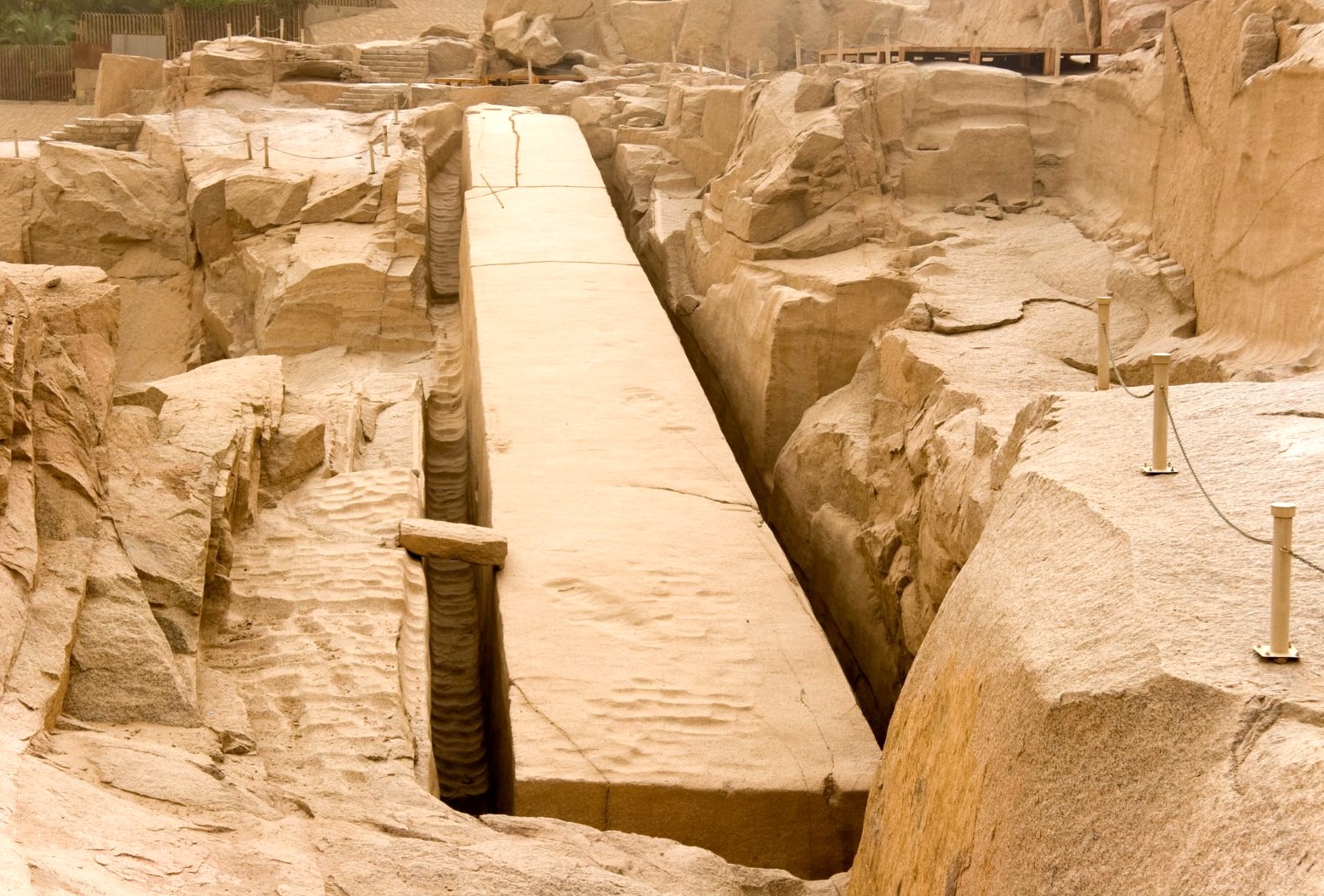
Aswan’s granite quarries supplied stones used by many pharaohs to build temples, obelisks, colossal statues, and monuments across Egypt. The Unfinished Obelisk, which is believed to have been commissioned during the reign of Queen Pharaoh Hatshepsut, shows how ancient Egyptians carved massive monuments. Several pharaohs, including Amenhotep III, Thutmose IV, Psamtik II, and Apries, are represented in inscriptions and carvings discovered in and around Aswan.
Ancient quarry marks and unfinished stone blocks can still be seen today, showing how massive monuments were carved thousands of years ago. Also, in recent years, many archaeological discoveries have taken place, like in 2019, when archaeologists found 35 mummies in a Greco-Roman tomb in Aswan. Also, in 2025, archaeologists discovered three Old Kingdom tombs at Qubbet el-Hawa, containing burial shafts, pottery, offering tables, and human remains that provided new insights into the lives of ordinary Egyptians. Visit the museum and historical places if you’re interested in understanding Aswan’s history in depth.
What Is Aswan Famous For
Aswan is famous for a number of reasons, like some know the city because of its historical places and due to the River Nile. Below here is a mention of why Aswan is famous and also a list of Aswan tourist attractions.
Reasons making the city famous:
Gateway to Nubia: Aswan was the southern gateway of ancient Egypt and an important center for trade and cultural exchange; today tourists explore the Nubian culture through music and local villages.
Ancient Granite Quarries: The city is famous for its high-quality granite, which was used to build many of Egypt’s temples, obelisks, statues, and monuments in Upper Egypt during the New Kingdom.
The Nile and Scenic Beauty: Aswan is known for its beautiful stretch of the Nile River, dotted with rocky islands and palm trees, and tourists can spot the numerous traditional feluccas (traditional Egyptian everyday sailboats).
Nubian Culture: Aswan is one of the best places in Egypt where you can experience the authentic traditions, colorful villages, local crafts, music, and hospitality.
UNESCO Heritage Sites: There are several important archaeological sites in and around Aswan that are included in the UNESCO World Heritage Site of the Nubian Monuments, highlighting the city’s historical significance.
Warm Winter Destination: The weather during the winter months becomes pleasant and mild; also, it is among the most popular destinations for winter holidays and Nile cruises.
Aswan’s Top Tourist Attractions
Philae Temple: Philae Temple is dedicated to the goddess Isis, one of the prominent deities of the Egyptian religious beliefs. The temple was originally built on Philae Island but was carefully relocated to Agilkia Island between 1972 and 1980 to protect it from flooding after the construction of the Aswan High Dam. It comes under the UNESCO rescue project of Nubian monuments. Its beautifully preserved columns, gateways, and hieroglyphic carvings make it one of Egypt’s finest examples of Ptolemaic architecture.
The Unfinished Obelisk: It is the largest known unfinished obelisk ever carved by the ancient Egyptians; it measures around 42 meters (138 feet) in length. Archaeologists believe it was commissioned during the reign of Hatshepsut, but work stopped after cracks appeared in the granite, and it remains attached to the bedrock, allowing visitors to see the techniques and tools used by ancient stone workers during the pharaonic age. Today, it is a unique open-air archaeological site that offers visitors a rare glimpse into ancient Egyptian engineering and craftsmanship.
Elephantine Island: This is one of the world’s oldest settlements in southern Egypt and now serves as an important trading center between Egypt and Nubia. Here today the visitors can explore the remains of temples dedicated to Khnum, Satet, and Anuket along with ancient houses, nilometers, and archeological ruins; most of the time it’s visited with a felucca ride from Aswan.
Aswan High Dam: The dam was completed in 1970 as one of Egypt’s greatest engineering achievements and transformed the country’s water management; it helps in controlling the annual flooding of the Nile, stores water for agriculture, and supplies hydroelectric power to millions of people. Construction of the dam leads to the creation of Lake Nasser, which is one of the world’s largest manmade artificial lakes.
Things To Do In Aswan
Other than the archeological experiences, you can plan a visit to the museums in Aswan, as they have amazing collections of artifacts that tell you about Egyptian and Nubian cultures.
Felucca Sunset Cruise: Sail on a traditional wooden felucca and enjoy the peaceful beauty of the Nile as the sun sets over Aswan and witness The calm waters, scenic riverbanks, and views of Elephantine Island make it one of the city’s most relaxing experiences.
Kitchener’s Island (Aswan Botanical Garden): Visit Kitchener’s Island, home to the Aswan Botanical Garden, where winding paths lead through lush tropical plants, colorful flowers, and towering palm trees. It offers a peaceful escape and beautiful views of the surrounding Nile.
Museums in Aswan
Nubian Museum
It was opened in 1997 to preserve the history of Nubia. Its galleries display thousands of artifacts that trace Nubian civilization from prehistoric times through the Pharaonic, Greek, Roman, Christian, and Islamic periods; also, it showcases the statues, jewelry, pottery, inscriptions, and objects rescued during the International Campaign to Save the Monuments of Nubia led by UNESCO. Today, the Nubian Museum is considered one of Egypt’s finest regional museums.
Essential Visitor Information
Opening hours:
Daily: 09:00 AM to 05:00 PM, and on Thursdays and Fridays, evening timing is 06:00 PM to 09:00 PM.
Ticket Pricing for Foreign visitors
Adults: 400 EGP, approximately US $8.00
Students: 200 EGP, approximately US $4.00 (exchange rates may vary)
Aswan Museum
It was established in 1912 on Elephantine Island, making it one of Egypt’s oldest regional museums. Visitors can explore statues of kings, sarcophagi, funerary paintings, and sacred ram mummies associated with the god Khnum, the ancient guardian of Elephantine, and it provides valuable insights to the visitors into the history, religion, and daily life of the people who lived along Egypt’s southern frontier.
Essential Visitor Information
Opens Daily: 08:00 AM-04:00 (Mostly visited while exploring Elephantine Island)
Ticket Pricing for Foreign visitors
Adults: 200 EGP, approximately US $4.00
Students: 100 EGP, approximately US $2.00 (exchange rates may vary)
FAQs
How Many Days In Aswan Is Enough?
1-2 days are enough to explore Aswan; if you are planning a road trip from Aswan to Abu Simbel, then you can stay for 3 days, during which you can have a day trip to the Abu Simbel temple and Lake Nasser.
What makes Aswan different from Luxor?
Luxor is known for its large concentration of temples and royal tombs; Aswan is famous for its peaceful Nile scenery, Nubian heritage, granite quarries, islands, and engineering landmarks like the High Dam.
Can you take a Nile cruise from Aswan?
Yes, Aswan is one of the main starting points for 3-night and 4-night Nile cruises to Luxor, stopping at famous temples such as Kom Ombo and Edfu along the way.
What language do people speak in Aswan?
Most residents speak Arabic, while many people in Nubian villages also speak Nubian languages. English is commonly spoken in hotels and tourist sites and by licensed guides.
What is the distance between Aswan and Abu Simbel?
The driving distance is around 280 kilometers (175 miles), which can be covered in 3.5 hours by car, bus, or shared shuttle.
Explore Egypt: The Best Packages for Aswan Visit
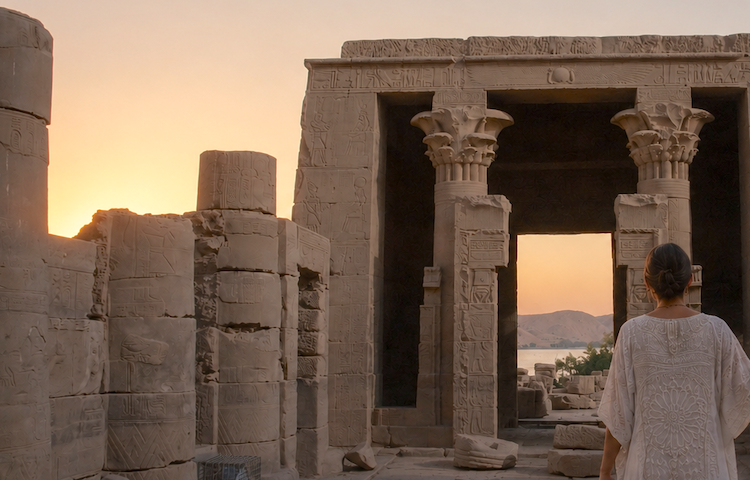
Private access trip to Philae Temple in Aswan (before sunrise)
Start from
$299 / U$D
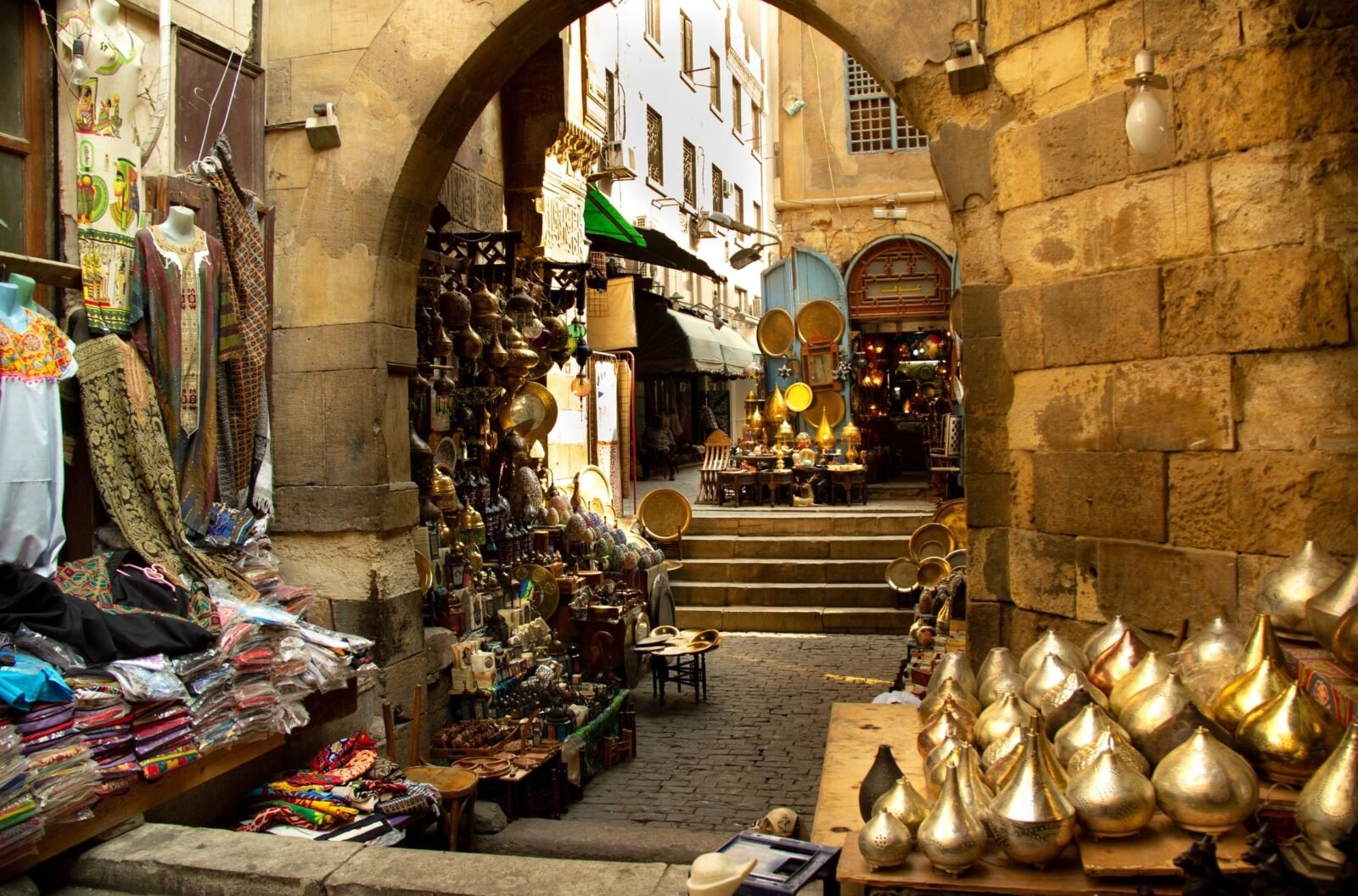
Nile cruise trip from Cairo to Luxor – 6 days
Start from
$899 / U$D
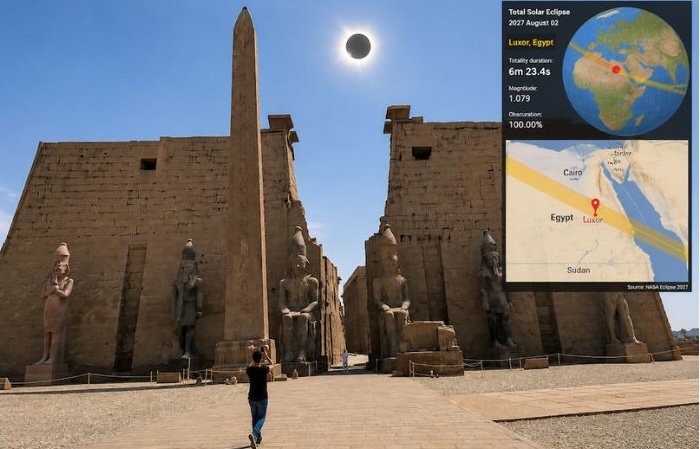
2027 Total Solar Eclipse Tour: Nile Cruise & Luxor
Start from
$2450 / U$D
Trusted Partners
Nile Cruisen: Chosen by Leading Brands as Egypt's Top Cruise Operator