 Nile Cruisen Team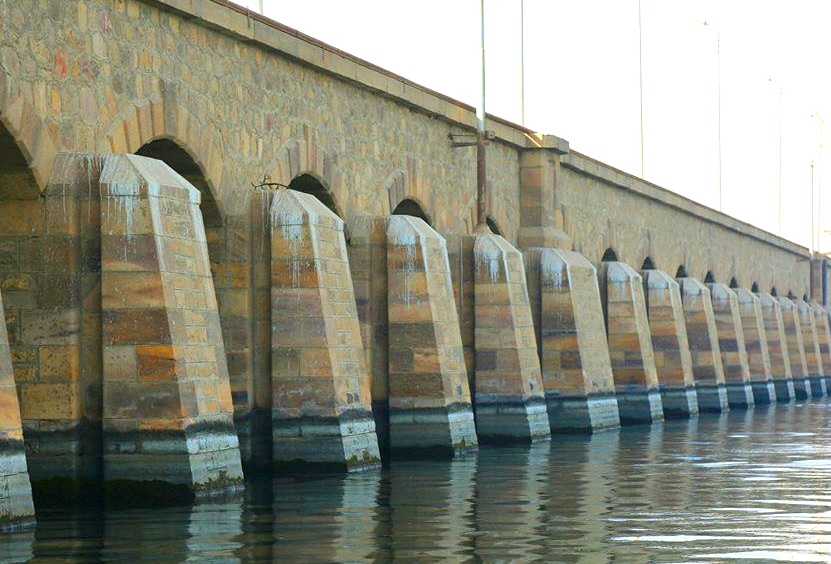
The Esna Lock, located 162 kilometers north of the ancient Aswan Dam, tells its own stories to those arriving and departing. Every day, tens of Nile cruise in Egypt cross the historical lock with stories and tales told by the cruise tour guide to the guests on board; when the barrage opens its 80-meter-long lock for Nile cruise ships bound for Aswan, tourists stand on the sun deck to witness the world of Upper Egyptian life. This is exactly what (Monsieur Dorja, a European newspaper correspondent) did at the beginning of the nineteenth century when he glimpsed this southern world for the first time since the lock’s opening.
Historical sources about the construction of this lock were completed following the 1906 AD flood during the reign of Khedive Abbas Hilmi II, in the eighteenth year of his reign, as the Khedive’s inscription (erased from the barrage). The idea for the barrage was proposed by William Garstin, an Englishman, and was estimated to cost one million Egyptian pounds at the time. As it stands today, it appears as a canal or a treasure trove of history.
Table of Contents:
-
Esna Lock at a Glance
-
Beginning of the Construction of the Esna Lock
-
What Actually Happens When You Cross the Esna Lock?
-
Why Do Ships Sometimes Wait for Hours in a Queue?
-
Best Time and Place to Watch the Esna Lock CrossingThe Vendor Boats at the Lock
-
Esna Temple of Khnum
-
Facts About the Esna Lock
-
FAQs
-
Experience Esna With Nile Cruisen
Esna Lock at a Glance
| Fact | Details |
| Location | Esna, Upper Egypt |
| Built | 1906-1908 |
| Original navigation lock | Approximately 80 m long and 16 m wide |
| Lock Size (current) | Approximately 221 m long and 17 m wide |
| On the route | Luxor to Aswan or Aswan to Luxor |
| Possible waiting time | Can vary depending on the river traffic and queue |
| Best viewing spot | Upper sun deck |
| Nearby attraction | Temple of Khnum or Esna Temple |
Beginning of the Construction of the Esna Lock
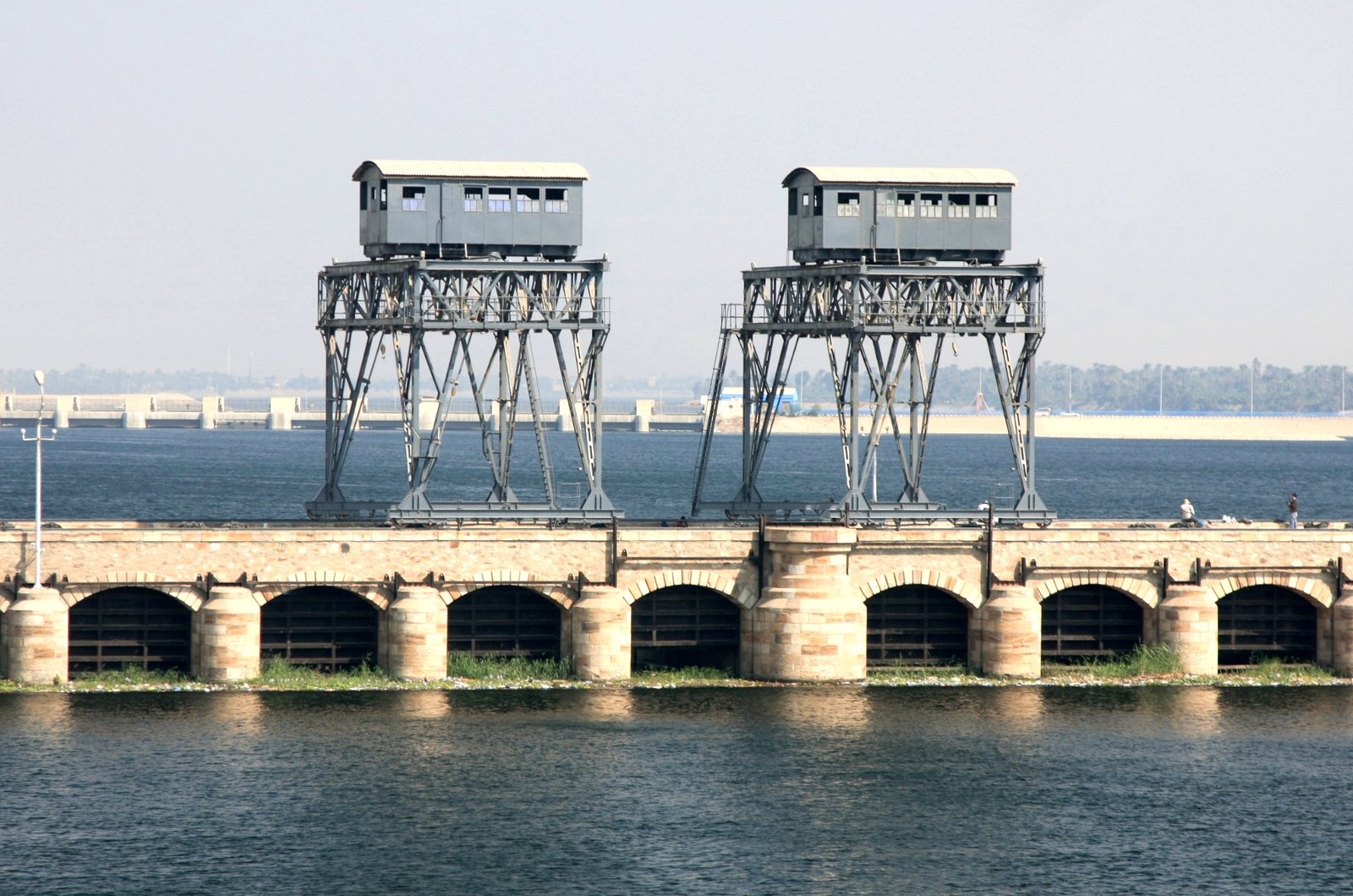
The work started; When the British company that built the bridges, Ransomes & Rapier , brought the first winch in Egyptian history, the Upper Egyptians called it “the demon.” In contrast, the trolleys that came to pass over the bridges with the wagons were called “the crushing wagons.”
What’s even stranger is that the locals wanted to welcome the Khedive (King of Egypt) with horse and stick competitions, which they were adept at, but he—The Khedive—refused this welcome and instead appointed two of the town’s notables to receive him. These houses were the Hazin family home and the Bakri family home, houses known to this day for their antiquity.
The matter did not stop there. The Khedive and his accompanying delegation refused to eat the food they had prepared for them, fearing them due to a previous prophecy by a soothsayer who had warned him of the Upper Egyptians who had attempted to assassinate him in Istanbul, Turkey, at the hands of his guard, a native of Minya.
What Actually Happens When You Cross the Esna Lock?
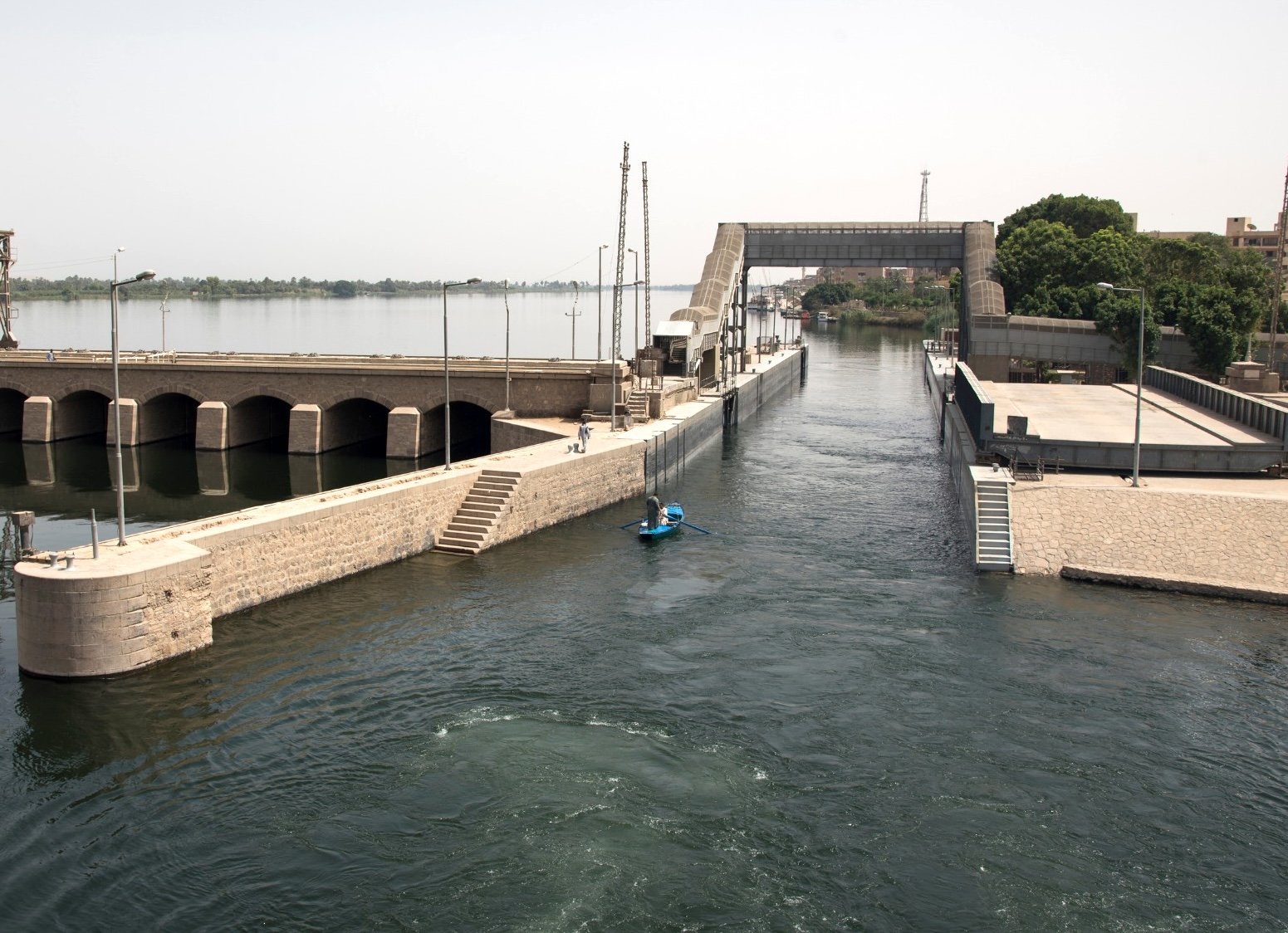
Passing through the Esna Lock is one of the most memorable moments for many passengers. While passing, they get a chance to watch how their large cruise ship carefully enters the lock chamber, changes levels with the Nile water, and then continues sailing toward Luxor or Aswan.
Why Do Ships Sometimes Wait for Hours in a Queue?
Several ships are traveling between Aswan and Luxor using a lock. When several vessels arrive around the same time, they must wait for their turn before entering the Esna Lock. However, the exact time depends on several factors, including:
- Number of ships arriving
- Lock operating schedule
- River traffic conditions
- Time of the year
Best Time and Place to Watch the Esna Lock Crossing
To give passengers an opportunity to watch the complete lock operation, most of the cruises pass through Esna Lock during daylight hours. However, the accurate timing can vary depending on the cruise schedule, river conditions, and traffic at the lock.
Most of the travelers consider the sun deck the most convenient place to experience the crossing. The sun deck allows passengers to watch how the ship enters the lock chamber, observe the water level changing, and see other cruise ships waiting nearby. However, the lower deck provides a closer view of the lock walls; the sun deck offers a wider view of the entire process.
The Vendor Boats at the Lock
One of the most memorable and unexpected parts of passing through the Esna Lock is the small vendor boats that gather alongside the cruise ships while your cruise waits to enter or pass through the lock. At that time, local sellers may approach in small boats carrying scarves, galabeyas, tablecloths, textiles, and other Egyptian souvenirs.
Vendors may place the item inside a plastic bag and throw it up toward you on the sun deck. You can inspect the item and negotiate the price if you are interested. If you don’t want to buy it, you can carefully return it to the vendor. It is completely fine to say no and continue enjoying the view.
Note: If you are planning to shop, then it is suggested to carry some small Egyptian pound notes, as they may help to make the transactions easier.
Esna Temple of Khnum
One of the most remarkable ancient monuments, the Temple of Khnum is just a short distance away from the Esna Lock. Much of the ancient temple complex has disappeared today, but the surviving sections contain beautifully decorated columns and a remarkable astronomical ceiling. Its unusual location makes it one of the most interesting places; it stands below the level of the modern town and reflects the layers of settlements that accumulated around the ancient site over centuries.
The restoration of the Esna Temple brought back the history that was hidden beneath soot, dust, and grime for centuries. The restored ceiling now displays the vivid astronomical scenes, including 12 signs of the zodiac, constellations, planets, and other celestial figures.
If you want to explore the charm of this restored temple, then a Nile River cruise would be the best option for you. It is suggested to check your itinerary carefully before booking the cruise. Unlike the Karnak or Luxor temples, it is not a huge site; around 1-2 hours are considered enough to explore the surviving hall, leaving the time you need to admire the restored ceiling, columns, inscriptions, and astronomical details.
Apart from history enthusiasts, this place is popular among photographers. The restored colors and detailed ceiling make the Esna Temple interesting for photography.
Facts about Esna Lock.
- The bridges, as described by Monsieur Dorja, rose six and a half meters above sea level, were 900 meters long, and included 120 springs, each extending five meters. At their western end was a navigation lock, 80 meters long and 16 meters wide, for ships to pass through. Above the bridges lay a paved road, six meters wide. Today, the current Esna Lock has a larger chamber, measuring approximately 221 meters long and 17 meters wide.
- At the opening time, the river wall of the bridges bore more than 12 flags, divided among English, Italian, French, and Greek flags. Egypt received only four flags, including a single Ottoman flag. These flags, like some Khedivial inscriptions, no longer exist today.
- At the northeastern end of the lock, His Excellency Hussein Bey Fakhry Pasha, the Minister of Public Works in Egypt, laid the first stone of these aqueducts on January 24, 1908. But why were these aqueducts built, and what benefits did the southern governorates gain from them?
- Academic researchers examining the opening records of the aqueducts cite Ismail Pasha Serry’s speech at the opening ceremony. He noted that the lands of Qena Governorate were suffering from drought, which occurred in 1877, when water levels dropped, leaving more than 25,000 acres without irrigation. The Esna aqueduct, however, “will protect the governorate from drought and flooding and will add 350,000 new acres suitable for agriculture,” according to the Khedive’s speech.
- The opening was in 1909 AD, as the correspondents of those newspapers say, including the correspondent of the magazine Al-Muqtataf – they were boarding Anglo-American ships while he was boarding his ship called Bahia next to the royal yacht called Naseem Al-Bahr – and the number of ships that docked there to attend the opening reached more than 20 ships, but the people of Esna were absent from this celebration even though it was in their country. The strangest thing is that the English proposer of the barrages, William Garstin, did not attend the opening, and his excuse was that he was in a bad mood.
The Lock of Esna is now the gate for the Egypt river cruise between Luxor and Aswan, and is the main stop during the Journey of Nile cruise from Luxor to Aswan and vice versa.
FAQs
How long does it take to pass through the Esna Lock?
Once the ship enters the lock chamber, the water level adjustment normally takes around 15-60 minutes, depending on traffic and operating conditions. However, the complete experience, including approaching the lock, waiting for entry, and leaving the chamber, can take longer.
Why do Nile cruises stop at Esna?
The Esna Lock is an important part of the navigation route between Aswan and Luxor. Its lock allows vessels to move between different water levels along the Nile.
Can I get off the ship at Esna?
It depends completely on your cruise itinerary and the arrangements made by the operator. If your itinerary includes the visit to Esna Temple or the Temple of Khnum, then your guide may provide instructions about the excursion.
What do the vendors at Esna Lock sell?
The local vendors at Esna Lock commonly sell scarves, galabeyas, tablecloths, textiles, and other souvenirs.
Is Esna Temple included on a Nile cruise?
Some cruise operators include the temple as an excursion, while others pass through Esna without visiting the temple. If visiting it is important for you, it is suggested to check the itinerary carefully, as it may vary depending on the cruise operator.
When was Esna Lock built?
The Esna Lock and Barrage were built between 1906 and 1908 during the reign of Khedive Abbas Hilmi II.
Can you stay on deck during the Esna Lock crossing?
Yes, you can stay on the deck while the ship passes through the lock. Moreover, this is the moment when many guests gather outside to take photos and enjoy the unique experience.
Experience Esna with Nile Cruisen
Do not consider the Esna Lock merely a passage between Luxor and Aswan; it is one of the most memorable parts of the whole journey, where local history, local life, and the experience of sailing the river came together. Esna offers a variety of different experiences, from watching the ship move through Esna Lock to seeing everyday life along the riverbanks.
If you are planning a Nile cruise in Egypt, then choosing the itinerary is as important as choosing the right cruise because it can make a big difference in places like Esna. If you want to make the Esna Lock one of the special moments of your Egypt trip, then explore the Nile Cruisen Collection. Once you have shortlisted the best Nile River cruises, you can contact our team, and we will help you in choosing the cruise that matches your travel style, interests, and budget. We provide a range of cruise options between Aswan and Luxor that will help you to explore Egypt comfortably while exploring the timeless character of the Nile.

This article was created by the team at Nile Cruisen, one of the best tour operators in Egypt for Nile cruises and tailor-made Egypt tours.
With years of experience sailing between Luxor and Aswan, our team knows the Nile better than anyone.
We share trusted travel advice, from the best time to visit and what to pack to simple tips for avoiding crowds.
Our goal is to help you enjoy the timeless beauty of Egypt with comfort, confidence, and an unforgettable travel experience.
- Nile Cruisen Team
- Nile Cruisen Team

- Nile Cruisen Team
- Nile Cruisen Team