 Nile Cruisen Team
 The Egyptian Scarab Beetle is one of the most significant Egyptian symbols in the history of ancient Egyptian civilization. Scarab Beetle Egypt was featured in ancient Egyptian iconography and art, and ancient Egyptian religion. It represented life and rebirth. It started when the Scarab beetle rolled its dung into a ball and laid its eggs in it. It was seen by ancient Egyptians as a powerful symbol of life emerging from death. People thought that the new beetles came from the dung, which made it look like something was being made out of nothing. This made the scarab a symbol of rebirth. People linked this natural process with Khepri, a form of the sun god Ra. People thought that Khepri rolled the sun across the sky every morning, just like the beetle rolls its ball. This is why the scarab came to stand for the cycle of life, renewal, and creation.
What does the scarab beetle represent in Egypt?
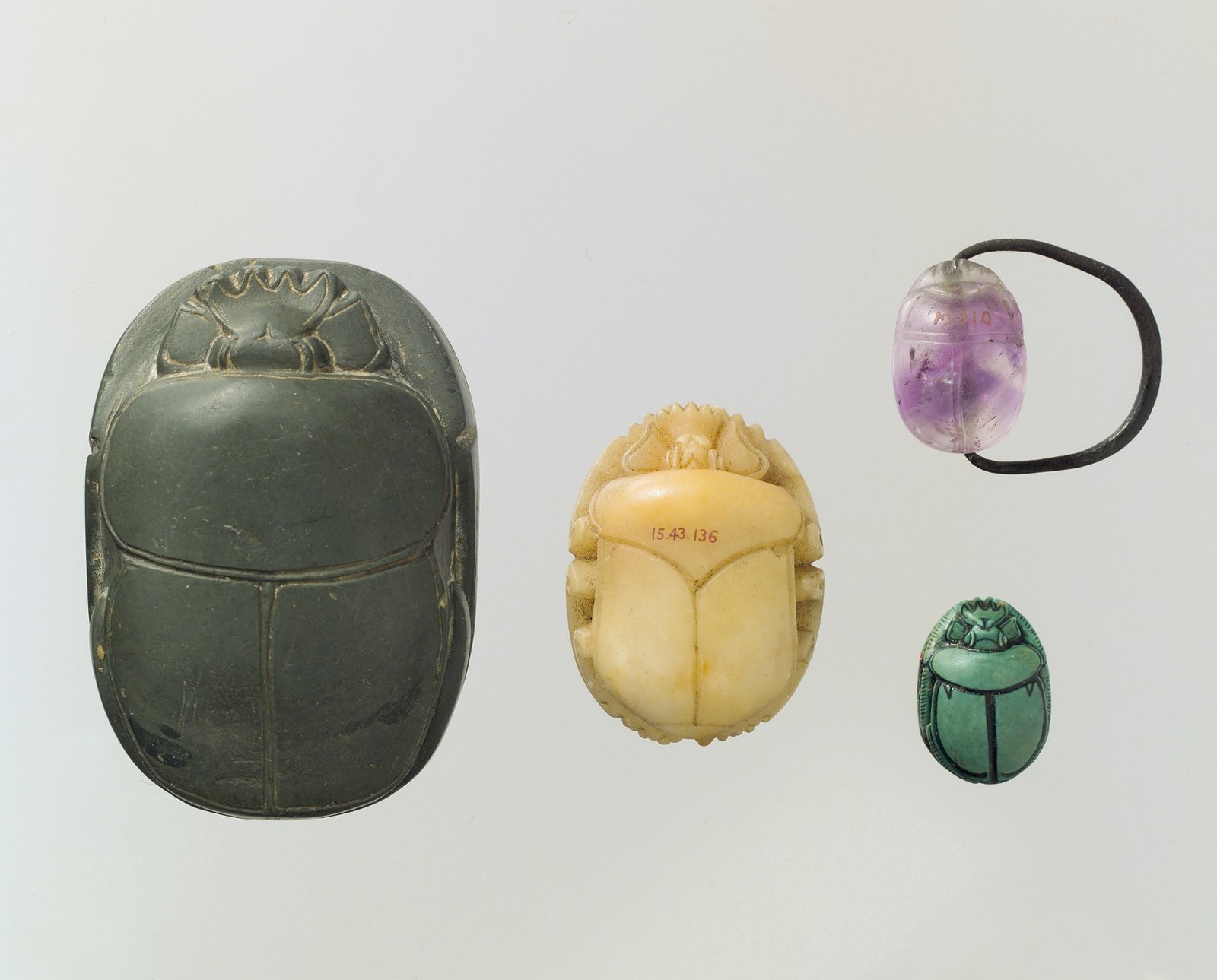
The scarab beetle is the symbol of life and rebirth. Its association with the sun god Khepri represents divine manifestation. The Scarab had deep meaning and importance in the lives of the ancient Egyptians. A sun god, Khepri, worshipped the scarab beetle, which was referred to as Ra. Its behavior of evolving from dung balls shows the cycle of life and death. The Scarab beetle was represented as pushing the sun across the sky with a deep connection to Ra, which symbolizes renewal each day. The Scarab existence could be seen in everything from amulets to sculptures, hieroglyphs, jewelry, and various works of art. It was a symbol of a protective force that prevented death, plus granted everyone the grace of growth, rebirth, eternity, manifestation, and resurrection.
Do Egyptian scarabs still exist?
Yes, scarab beetles are still around. The Egyptian Scarab is a name for real beetles, especially the Scarabaeus sacer, which can still be found in parts of North Africa and the Mediterranean. They were seen as holy signs of gods like Khepri in ancient times, and they showed creation and rebirth. Today, they are just a part of nature, and scientists and historians are still interested in them.
Are Egyptian scarabs lucky?
The simple answer is yes. Egyptian scarabs were considered lucky amulets in ancient Egypt. People wore scarab amulets for many reasons. They wore a scarab amulet when they sought guaranteed health, good luck, and defense against evil forces.
How did the ancient Egyptians view the scarab beetle?
The ancient Egyptians viewed the scarab beetle as a sacred symbol of good fortune, vitality, optimism, faith, rebirth, and revival. In ancient Egyptian religion, it was also a sign of resurrection, immortality, safety, and transformation.
What is the lifespan of the scarab beetle in Egypt?
The Scarab Beetles can grow up to 6cm and can live for up to 3 years. While they are usually associated with eternal life in ancient Egyptian mythology, their actual lifespan is short, with much of it spent in the larval and pupal stages underground.
What is the habitat of the scarab beetle in Egypt?
The scarab beetle, primarily Scarabaeus sacer, can be found in diverse environments across Egypt, including marshes, coastal sand dunes, grasslands, and especially arid desert regions. They grow where grazing livestock offer ample dung, which they roll and bury to lay eggs and for food, favoring sandy soils.
What is the history of scarab beetle amulets in Egypt?
During the First Intermediate Period, scarabs became common. They were common and important in Egyptian culture from the Old Kingdom through the Roman period. They were produced and used as personal seals to secure property, often engraved with names or official titles. They were commonly used as protective amulets and jewelry. During this period, the heart scarab amulets were placed on mummies, which became standard for protecting the heart during the final judgment.
What are the physical characteristics of the scarab beetle in Egypt?
The Egyptian beetle has a shiny and black body, along with six ray-like appendages on its body. Its legs are of appropriate length for shaping and digging balls of dung. The front legs of the Egyptian scarab are different from most beetles because they don’t have clear claws – just a small claw-like part that helps with digging. The length of the beetle is around 25-37 mm.
What type of scarab beetle is found in Egypt?
The beetle species Scarabaeus sacer is the most commonly associated with the Egyptian scarab symbol, but other types of scarab beetles include Copris and Onthophagus.
Conclusion
The Scarab Beetle Egypt is not just a historical artifact; it’s a powerful symbol of life emerging from death. You can find such information on our blogs. Despite this, if you are interested in exploring Egypt along the Nile River, you can book with Nile Cruisen and explore our Nile cruise packages.

This article was created by the team at Nile Cruisen, one of the best tour operators in Egypt for Nile cruises and tailor-made Egypt tours.
With years of experience sailing between Luxor and Aswan, our team knows the Nile better than anyone.
We share trusted travel advice, from the best time to visit and what to pack to simple tips for avoiding crowds.
Our goal is to help you enjoy the timeless beauty of Egypt with comfort, confidence, and an unforgettable travel experience.
- Nile Cruisen Team

- Nile Cruisen Team

- Nile Cruisen Team

- Nile Cruisen Team