 Nile Cruisen Team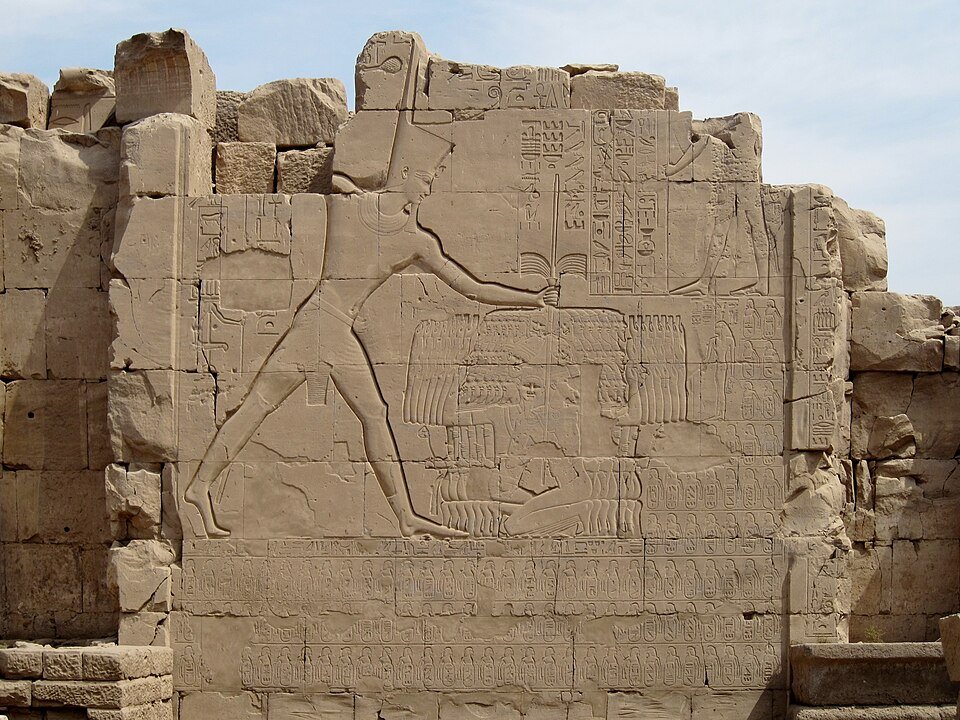
Summary:
In this blog post, you’ll learn about:
- The Battle of Megiddo was the most important military event that helped Egypt become a superpower.
- This battle was led by Pharaoh Thutmose III. The battle demonstrated advanced weaponry, innovative tactics, and military genius.
- A decisive victory over a Canaanite coalition was achieved due to the bold decision of Thutmose to take the risky Aruna Pass.
- The Egyptian victory in the Battle of Megiddo made Egypt the most powerful force in the Near East at that time. Additionally, it showed new and clever ways of fighting in war, which were essential for military history.
- Because of this victory, the influence of Egypt lasted for a long time – not just in war, but also in diplomacy and culture. The event was recorded carefully, so historians can understand how ancient wars were fought.
Basic Overview of the Battle of Megiddo
The Battle of Megiddo was considered one of the most important military engagements in ancient history. In the 15th century BCE, it was fought and marked the first recorded battle with a close eye to every detail, demonstrating the tactics of genius Pharaoh Thutmose III and laying the strong foundation for the emergence of Egypt as a dominant superpower.
This battle was primarily between the Egyptian army and a group of Canaanite city-states. During this war, Egypt introduced innovative military strategies, careful documentation, and advanced weaponry, which affected the geopolitical and cultural landscape of the ancient Near East.
Who Won the Battle of Megiddo?
In the 15th century BC, Pharaoh Thutmose III of Egypt won the Battle of Megiddo. It was his and history’s first recorded military victory. He took the risky, narrow mountain pass and secured the city after a seven-month siege.
Where did the Battle of Megiddo take place?
The Battle of Megiddo was a significant event in ancient military history and took place at and around the city of Megiddo in present-day Israel.
What were the causes of the Battle of Megiddo?
The Battle of Megiddo was caused by a widespread rebellion of Canaanite city-states against Egyptian imperial control. Here are some common causes of this battle:
-
Rebellion against Egypt
Various Canaanite city-states rebelled against Egyptian rule. They wanted freedom and independence from Egyptian control.
-
Power struggle in the region
After the death of Egypt’s earlier strong influence in the area, local rulers tried to form their own alliance against Egypt.
-
Strategic importance of Megiddo
The city of Megiddo was located on key trade and military routes. Controlling it meant controlling movement between Egypt, Syria, and Mesopotamia.
-
Pharaoh Thutmose III’s campaign to reassert control
Egyptian Pharaoh Thutmose III launched a military campaign to crush the rebellion and restore Egyptian dominance in the region.
What were the key events of the Battle of Megiddo?
The Battle of Megiddo was a decisive engagement in which an army under Pharaoh Thutmose III defeated a coalition of Canaanite vassal states led by the King of Kadesh.
The Aruna Pass, a strategic decision
Thutmose III didn’t take a safe route to attack the city of Megiddo; instead, he took a risky route through the narrow Aruna Pass. The Canaanites didn’t expect the attack from this route and left the pass unguarded. As a result, Egyptians were able to enter the Jazreel Valley.
The battle setup
After exiting the pass, the Egyptian force camped for the night. The following morning, they were deployed for war with remarkable efficiency. The Pharaoh led the main attack himself from the center of the force and stood in a gilded chariot to encourage his force.
The main assault
The swift advance of the Egyptian forces, along with superior weaponry, broke the courage of the Canaanite coalition.
The Seige of Megiddo
After the victory, the Egyptian force quickly surrounded the city and started a siege (blocking it off). Pharaoh Thutmose III ordered a ditch and wooden walls to be built around the city so no food, supplies, or help could get in. The city was trapped for around 7-8 months. The people inside slowly ran out of food and became weak from hunger. In the end, the leaders of the city gape up, and the rebellion ended.
Aftermath and spoils
The victory brought immense wealth and resources to Egypt. The spoils included:
- 200 suits of armor
- 22,500 sheep
- 924 chariots, many decorated with silver and gold
- Ample quantities of silver, gold, and luxury goods.
The king of Kadesh got away, but the surrender of Megiddo clearly meant that Thutmose III had crushed the rebellion and won. He also ensured that the Canaanite states remained vassals of Egypt.
Final thoughts
The Battle of Megiddo was not just a military victory; it was an important event that transformed the history of ancient Egypt and the Surrounding Near East region. If you are interested in exploring Egypt’s battles, mythologies, history, and much more by visiting the temples and archaeological sites of Egypt, you can book an Egypt river cruise with Nile Cruisen.

This article was created by the team at Nile Cruisen, one of the best tour operators in Egypt for Nile cruises and tailor-made Egypt tours.
With years of experience sailing between Luxor and Aswan, our team knows the Nile better than anyone.
We share trusted travel advice, from the best time to visit and what to pack to simple tips for avoiding crowds.
Our goal is to help you enjoy the timeless beauty of Egypt with comfort, confidence, and an unforgettable travel experience.
- Nile Cruisen Team

- Nile Cruisen Team

- Nile Cruisen Team

- Nile Cruisen Team