 Nile Cruisen Team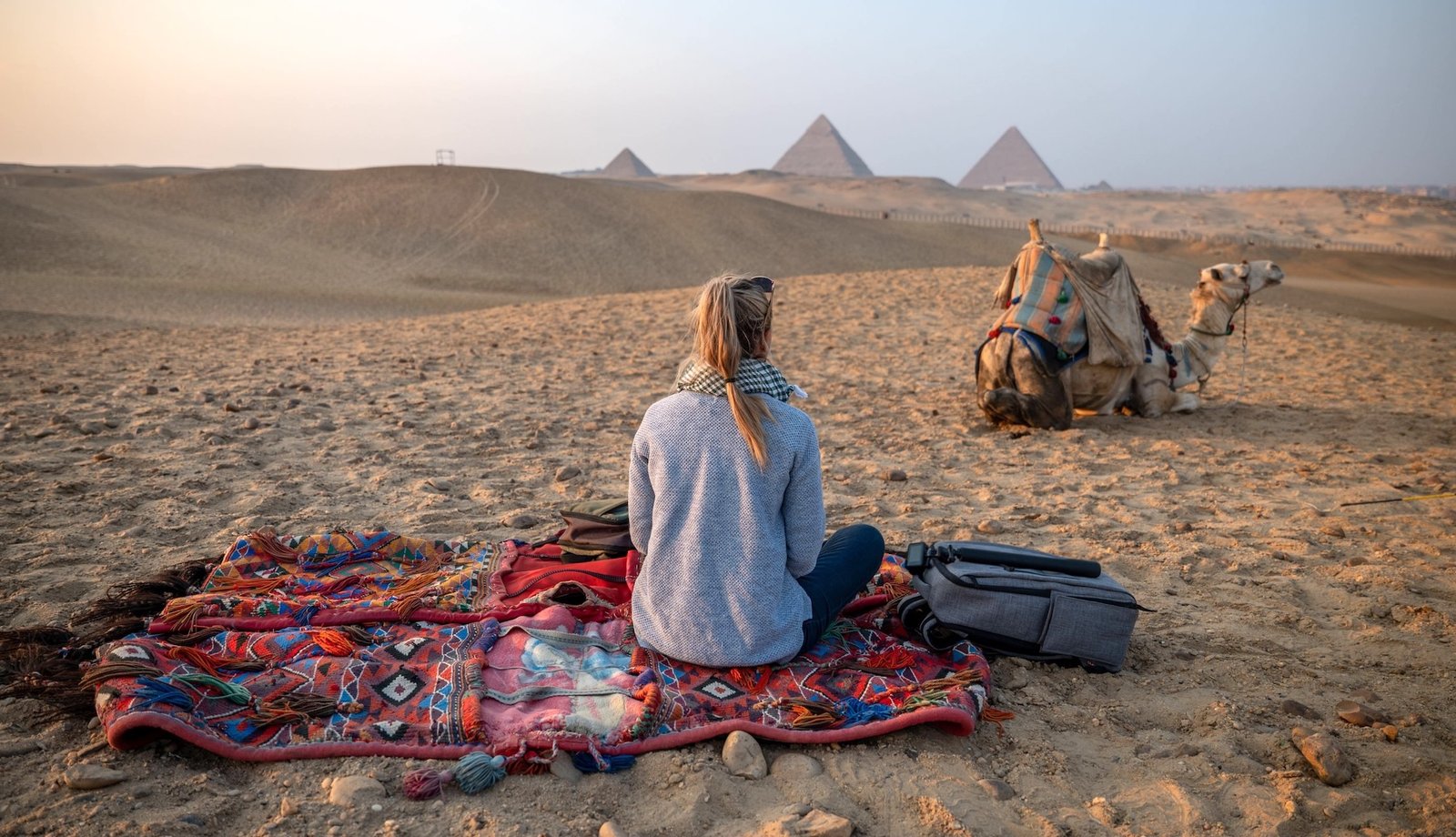
Despite the clouds covering the skies of the Middle East, and the recent escalating geopolitical tensions between Iran and Israel, the global tourism compass still points strongly towards the “The Protected Land” In a new confirmation of the flexibility of this vital sector, the General Assembly of the Federation of Tourism Chambers revealed that inbound tourism to Egypt was not affected by the ongoing unrest, but rather maintained a pace of growth that reflects international tourists’ confidence in the Egyptian destination.
General Assembly report: Figures reassuring the market
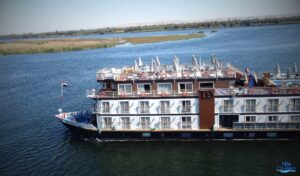
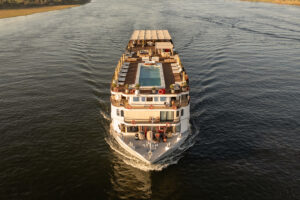
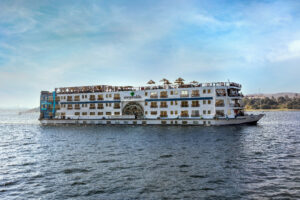
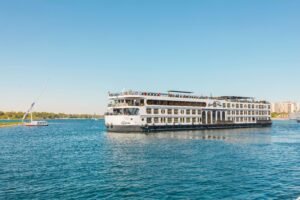
Reports issued by the Federation of Tourism Chambers confirmed that occupancy rates in the main tourist destinations, especially in the Red Sea (Hurghada and Marsa Alam) and South Sinai (Sharm El-Sheikh), in addition to cultural tourism in Luxor and Aswan Nile Cruises, are proceeding according to normal and targeted rates.
“Egyptian tourism has proven to have a strong immunity against occasional crises, and demand for Egyptian destinations remains at high levels thanks to the unique diversity that Egypt offers.” — From the deliberations of the General Assembly.
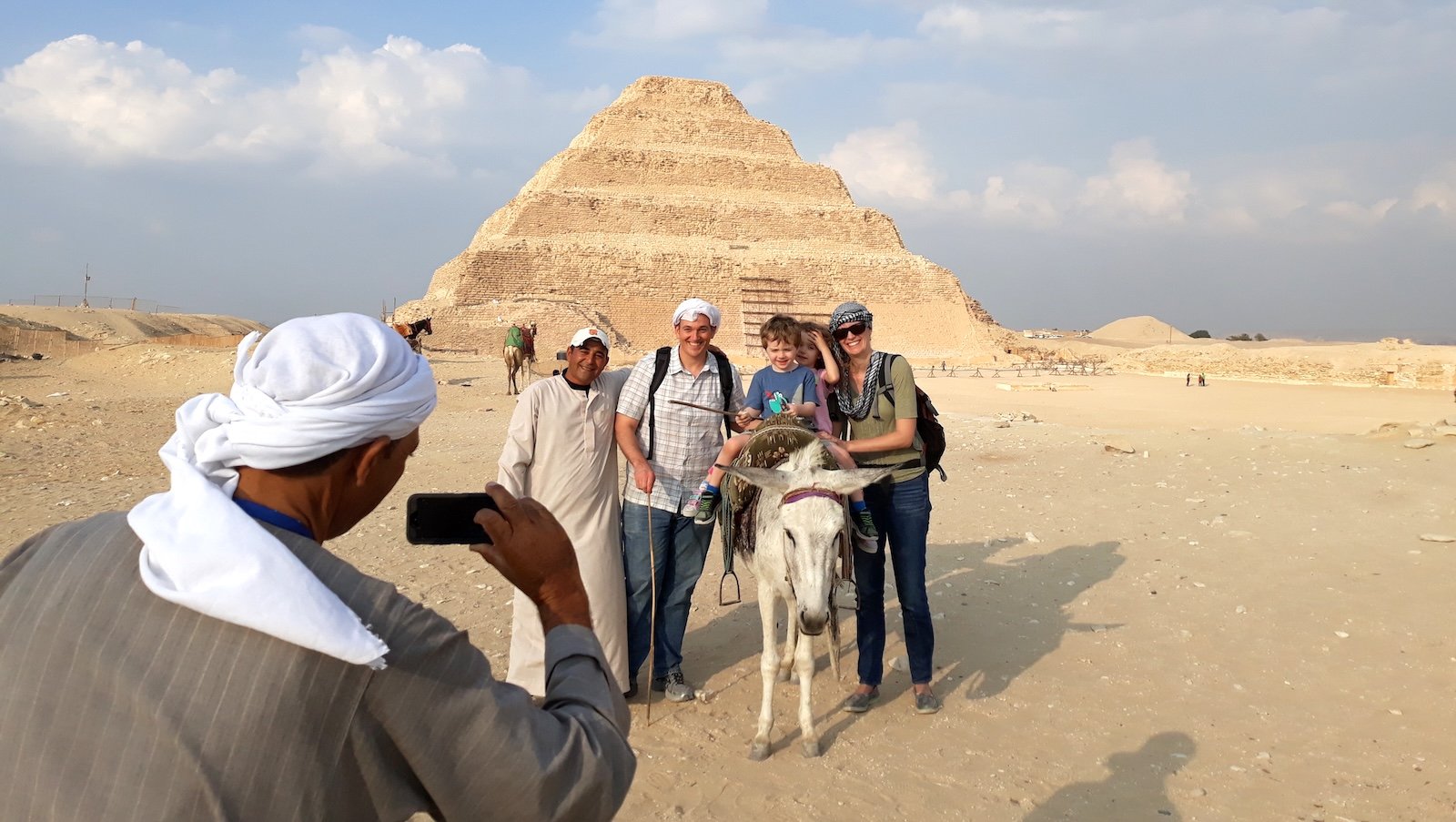
Why was Egypt not affected by the recent tensions?
There are several factors that contributed to neutralizing the impact of tensions between Iran and Israel on the Egyptian tourism sector, most notably:
Internal security stability: The Egyptian state always succeeds in providing a message of reassurance to the world that the Egyptian interior is completely far from the theaters of direct conflicts, which makes the tourist feel completely safe upon his arrival.
Diversifying export markets: Egyptian tourism no longer depends on one market; Rather, it succeeded in attracting huge flows from Western European markets (Germany, Italy, Britain), the Arab Gulf countries, and promising markets in East Asia.
Price competition and quality: Egypt remains one of the most competitive tourist destinations in terms of cost versus value (Value for Money), which prompts tourists to stick to their tourism programs despite regional unrest.
“Smart marketing” strategy in times of crisis
The Ministry of Tourism and Antiquities, in coordination with the private sector, played a pivotal role in managing the crisis through:
Targeted promotional campaigns: Focus on highlighting the beauty of nature and tranquility in Egyptian resorts through social media platforms.
Direct communication with tour operators: Reassuring major international tourism companies of regular flights and the absence of any logistical obstacles.
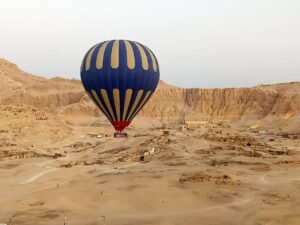
Infrastructure development: opening new museums and developing archaeological areas, which enhances the attractiveness of “one-time tourism” that cannot be postponed.
Future vision: about 30 million tourists
The state’s ambitions did not stop at mere steadfastness. Rather, the General Assembly of the Federation of Tourism Chambers set its sights on a strategy to reach 30 million tourists by 2028. The current situation is considered a real test in which Egypt has succeeded, giving a strong impetus to new tourism investments in the northern coast (Ras El Hekma) and the new cities.
A final word
The steadfastness of Egyptian tourism in the face of events in the region is not the result of coincidence, but rather the result of solidarity between the public and private sectors, and a global awareness that Egypt remains an “oasis of safety” in the midst of a turbulent environment. History always proves that the Egyptian pyramids and beaches possess a magic that transcends the noise of politics, and attracts visitors from all over the world to explore the secrets of civilization and the beauty of nature.
Egypt will always remain…the world’s favorite destination.