 Nile Cruisen Team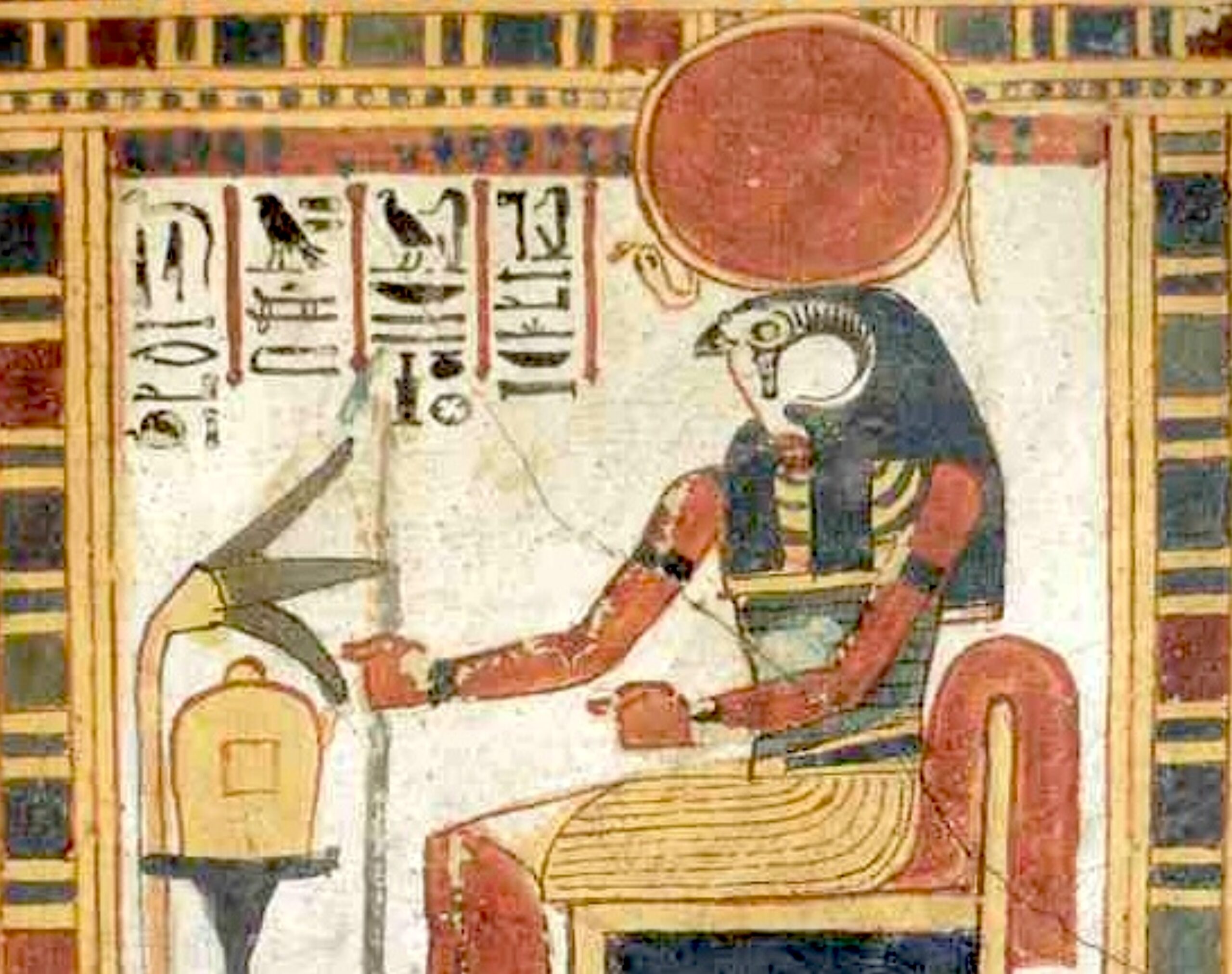
Table of Contents
-
Introduction
-
Is Ra the sun god?
-
What did Ra, the sun god, look like?
-
Why is Amun-Ra called the sun god?
-
Who did Ra, the sun god, marry?
-
Who did Ra fight every night?
-
Who is the enemy of the sun god Ra?
-
Conclusion
Introduction
The god Ra is an ancient Egyptian deity, according to mythology, considered the creator of the universe and the god of the sun, order, and kingship. He is believed to be the first god of Egypt who set the foundation of kingship and order. Ancient Egyptians believed that the sun’s daily journey shows god Ra sailing in his divine boat because the sun plays a major role in agriculture, climate, and daily life. Also, the scriptures show that the sun god Ra ruled over the sky, the earth, and the underworld, closely related to the noonday brightening sun.
At temples like Abu Simbel, tourists have particularly seen the importance of the sun god Ra. In the innermost chamber, a sacred statue of Ra-horkhty was carved, showing him giving blessings to the pharaohs. The walls on the interior and exterior of these temples depict the famous stories and myths related to the sun god Ra.
In this blog, you will learn about the god Ra in detail and his role in Egyptian mythology. Knowing about the mythology of the ancient civilization can be interesting, as it makes exploration fascinating, and one gets to establish a connection with the history.
Is Ra the sun god?
Yes, Ra is the supreme created sun god of ancient Egypt, who symbolizes creation, control, and kingship. He is considered the divine energy, and in the 5th century, when the sun god Ra was widely worshipped in Egypt, the people here believed that the sunlight was the presence of God Ra on earth. His blessings are the reason for the crop growth.
Over time, as the scriptures widen, Ra’s identity starts to merge with other deities in Egyptian mythology, which results in forms like Amun-Ra, who symbolizes divine and visible powers. Because of this connection, it represents kingship and authority in the Egyptian civilization.
What did Ra, the sun god, look like?
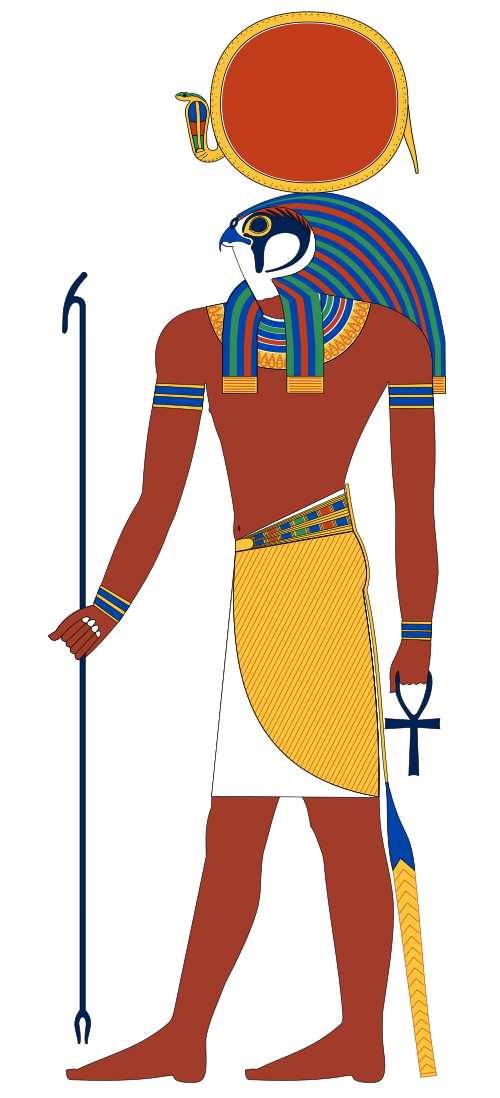
The god Ra, according to the carvings on the temple walls, is shown as a human figure with a falcon bird head. Above there is a sun disk resting with a surrounded cobra, which is called the Uraeus, which is considered the symbol of sovereignty, royalty, and divine authority. Also, the Uraeus was found on the head cover of the god Ramesses II, the Great, as well, maybe inspired by the god Ra, as he was a devotee of the sun god.
The temples built by Ramesses II, like Abu Simbel, which is visited by the passengers of the Egypt river cruises, also stand as major spots to learn about the sun god. Also, the god Ra is seen as a falcon and has some characteristics of the sky god Horus. So, it is believed according to mythology that two deities collided, which resulted in the creation of Ra-Horakhty.
Why is Amun-Ra called the sun god?
The name Amun-Ra signifies a major Egyptian deity that grew over centuries. In the ancient scriptures, it is seen that Amun holds a status known as the hidden one that symbolizes invisible power closely associated with the air, which played a major role in the creation.
During the New Kingdom, Thebes (the modern-day Luxor) rose as a major ruling center. People get to know about the god Amun with invisible power, and it is believed that God Ra then merged with the god Amun, which resulted in Amun-Ra forming an omnipotent creator god, which is complete and also solidifies the significance of Thebes as a religious and political center in ancient Egypt.
Who did Ra, the sun god, marry?
According to ancient myths, Ra was associated with several divine partners depending on the religious tradition. Still, the most commonly mentioned consort of Ra was Hathor, the goddess of love, music, and joy. Hathor was sometimes considered the daughter, eye, or companion of Ra, depending on the mythological story. Another goddess linked to Ra was Sekhmet, a powerful lion-headed deity associated with protection and destruction. These relationships symbolized the balance between creation, protection, and divine authority.
Who did Ra fight every night?
Egyptian mythology describes a nightly battle between Ra and the forces of chaos. During his journey through the underworld, Ra faced a powerful serpent known as Apep. Apep, also called Apophis, represented darkness, disorder, and destruction, and Egyptians believed that if Apep defeated Ra, the sun would not rise the next day. To prevent this, other gods helped Ra defeat Apep each night, ensuring the continuation of daylight and night.
Who is the enemy of the sun god Ra?
The main enemy of Ra was Apep, the giant serpent that symbolized cosmic chaos, who attempted to stop Ra’s solar boat during its journey through the underworld. This struggle symbolized the constant battle between order and chaos, a key concept in Egyptian religion, the same as seen during the battle between God Set and Horus.
In ancient times, the priests even performed rituals to symbolically defeat Apep and protect Ra’s journey in the underworld. These rituals reflected the Egyptian belief that maintaining balance in the universe required divine and human intervention. Carvings on the temples have depicted it, and several scriptures also say a lot about worshipping the sun god Ra.
Conclusion
The influence of the sun god Ra is much more than creation; it holds power and authority. By a number of people at different timelines, the sun god is chosen by them as their major deity. The Temple of Ra, the sun god, was mostly constructed by Ramesses II, the great king in Egyptian history. Even after centuries, with the remains of the civilization, the mythology of the sun god Ra is the most recognizable as compared to other ancient Egyptian deities.
To know more such facts related to history and Egyptian mythology, follow us. Also, explore the Abu Simbel temple on your Nile cruise in Egypt; for bookings, contact us and explore the fascinating ancient Egyptian remains with perfectly planned itineraries.

This article was created by the team at Nile Cruisen, one of the best tour operators in Egypt for Nile cruises and tailor-made Egypt tours.
With years of experience sailing between Luxor and Aswan, our team knows the Nile better than anyone.
We share trusted travel advice, from the best time to visit and what to pack to simple tips for avoiding crowds.
Our goal is to help you enjoy the timeless beauty of Egypt with comfort, confidence, and an unforgettable travel experience.
- Nile Cruisen Team

- Nile Cruisen Team

- Nile Cruisen Team

- Nile Cruisen Team