What are some interesting facts about the Nile River?
Table of Contents
-
Introduction
-
What are 3 facts about the Nile River?
-
What are 10 facts about the Nile River?
-
What is the River Nile famous for?
-
What is the source of the Nile River?
-
How deep is the Nile River?
-
What is the length of the Nile River?
-
What is the role of the Nile River in modern times?
-
Conclusion
Introduction
The Nile is one of the most prominent rivers in the world; it flows through 11 countries in Africa and ends in the Mediterranean Sea. Not just for geographical purposes, the Nile is also important for historical purposes, as Egyptian civilization has been supported by the River Nile for thousands of years. In many contexts, the Nile is seen as a gift of God for Egyptians, from history to the contemporary world.
It is a waterway on which around 400 million rely for fresh water, energy, and irrigation purposes and also plays a key role in the overall economy of Egypt. So in this piece of content, mention facts and geographical facts about the longest river on the African continent, the Nile. To learn about the Nile in detail, let’s start with facts.
What are 3 facts about the Nile River?
- The Nile crosses 11 African countries, which makes it the longest river, and it has two major tributaries, the White and Blue Nile, both of which collide in Sudan before entering southern Egypt.
- This river is among the rare rivers in the world that flows from south to north. In Egypt, it starts in Aswan and ends in the Mediterranean Sea.
- The Nile has been the life of Egyptian civilization, and ancient Egyptians used to depend on the Nile River’s annual flooding to meet the irrigation needs, as it is the major reason that makes the soil fertile.
What are 10 facts about the Nile River?
- The Aswan High Dam was built on the River Nile, and it was completed in 1970. It is a major hydroelectric project that supplies energy in Egypt and also controls the annual flooding of the Nile.
- Millions of people still rely on the River Nile for water requirements for irrigation and consumption purposes. A major source of natural water for the Egyptians, from fishing to cruising, the Nile is still acting as a lifeline for the people of Egypt.
- Nile crocodiles are the largest freshwater predators in Africa, largely found in the Nile, and are known for deadly ambush hunting.
- In ancient Egyptian mythology, the god Hapi was considered the Nile god, the god mostly depicted with a large belly that symbolizes fertility and abundance; it resonates with the annual flooding of the Nile.
- The ancient priest has developed a unique measuring instrument known as the “Nilometer,” which is used to measure the Nile water level. Tourists can see the Nilometer on their Nile cruise in Egypt while exploring nearby temples.
- The Blue Nile is shorter but still contributes 80% of the Nile’s water, which makes it possible for the river to enter Egypt, which originates from Lake Tana in Ethiopia and meets the White Nile at Khartoum, Sudan, where the Great Nile is formed.
- Before merging with the Mediterranean Sea, the longest African river forms the triangular Nile delta with two main branches, Rosetta and Damietta.
- The annual predictable flooding was so central to the people that it led to the creation of a 365-day calendar with three major seasons: Akhet (Inundation), Peret (Growing), and Shemu (Harvest).
- In ancient times, the river was considered the Iteru, which means “great river.” The name “Nile” comes from Greek scholars and means “the river valley.”
- From ancient times to the contemporary world, the River Nile has supported trade, transportation, and cultivation, making it an important asset for the people of Egypt. Even today, the Nile is a major source of energy and agriculture and offers exclusive Nile cruises as well.
What is the River Nile famous for?
The Nile is famous for its early Egyptian civilization in human history, and it holds the essence of pharaohs on its riverbanks. The annual summer flooding of the Nile is a major reason that served lives for centuries for irrigation purposes. Many of Egypt’s historical monuments are situated between Aswan and Luxor, which makes it a top tourist spot, and travelers also get an all-inclusive Nile cruise to experience the tranquility of the Nile.
What is the source of the Nile River?
The sources of the river Nile are the White Nile and the Blue Nile, as the White Nile has a steady flow throughout the year, whereas the Blue Nile begins at Lake Tana in Ethiopia, and they then meet at Khartoum, Sudan. These two tributaries are responsible for creating the longest river, the Nile.
How deep is the Nile River?
The depth of the Nile depends on different seasons and areas. In some areas, the river is as shallow as 8 meters, and at its deepest parts, it’s around 30 meters deep; water levels change due to rainfall and dam operations.
What is the length of the Nile River?
The length of the Nile is 6,650 km, which is 4,130 miles; that’s why it’s the longest river in the world that crosses 11 countries.
What is the role of the Nile River in modern times?
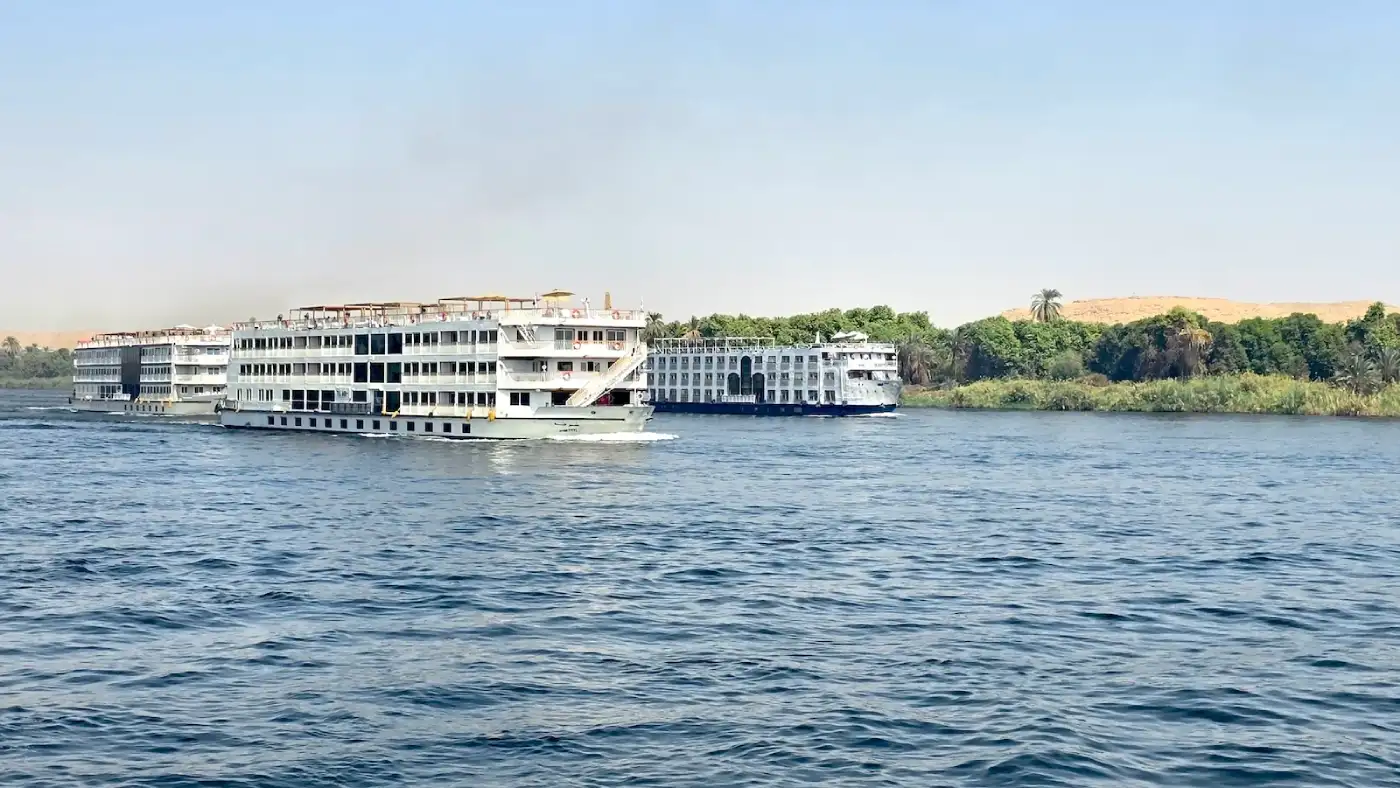
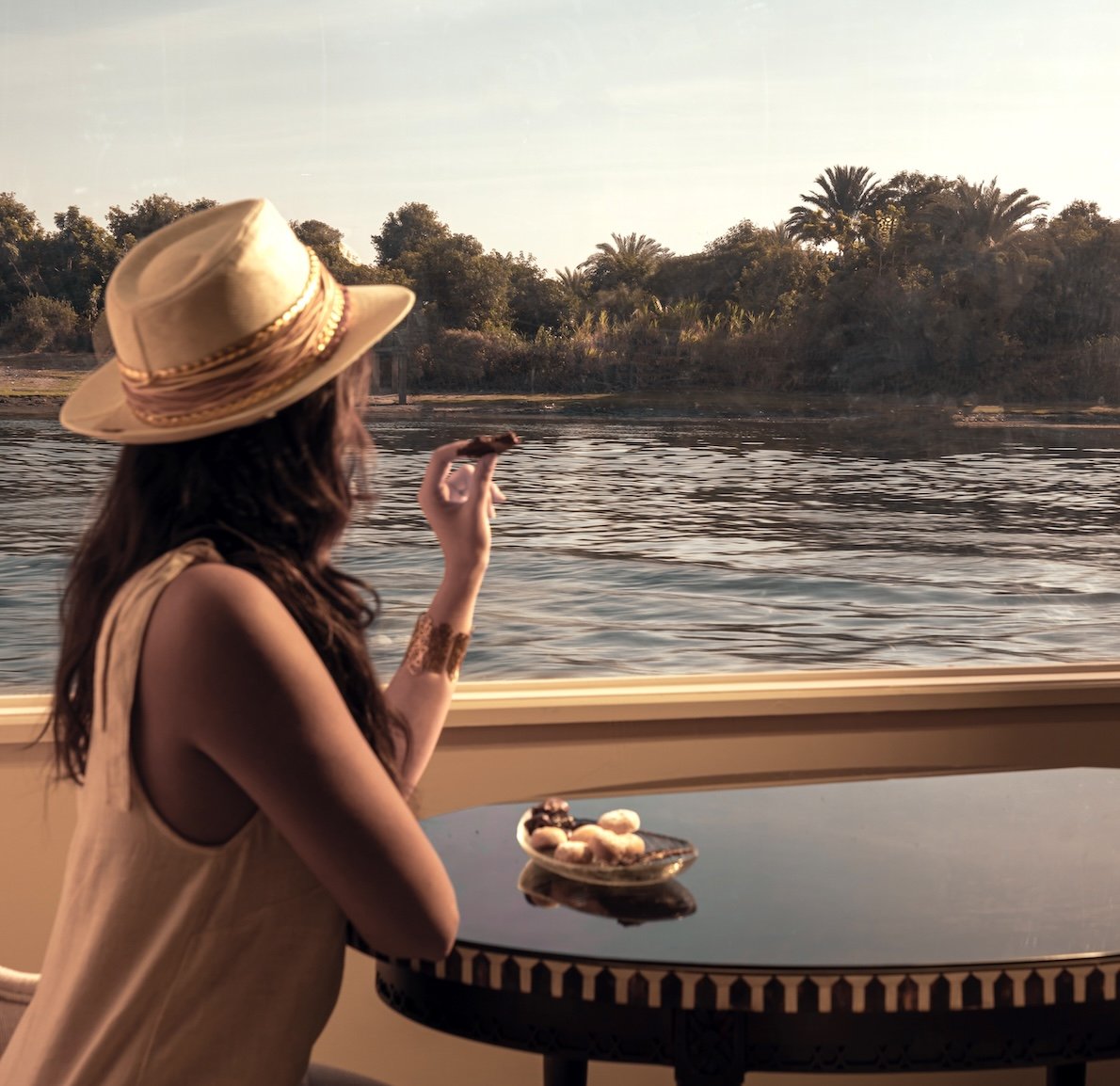
The Nile still plays a major role in the economy of Egypt in modern times. Areas supported by the Nile include agriculture, as crops are grown with the Nile waters; hydroelectric power is generated; and it is used for transportation purposes as well. Also, the Nile in the modern era is exploring luxury river cruises in Egypt.
These are the luxury vessels that have all modern amenities like accommodations, organized decks, 5-star restaurants, and panoramic views. They usually sail between Aswan and Luxor, which includes exploration of major historical landmarks like the Luxor and Karnak temple complexes, the Unfinished Obelisk, Edfu Temple, the mortuary temple of Hatshepsut, and many more on the multi-day cruising trips.
Conclusion
The Nile in Egypt is a lot more than just a geographical factor; it is a foundational factor that contributes to its history, culture, and modern era. The lifeline of Egyptians is the tag that the Nile is carrying and embracing every moment. From tourism to practical life, the Nile is contributing to the lives of people in Egypt in a lot of different ways. So, after knowing a lot about the River Nile, if you want to feel like sailing, book the night Nile cruise now and witness the magic of the versatile River Nile in Egypt.
Other Useful Links
What is Anubis, the god of in Egyptian mythology?
Best Tour Packages for Europeans to Visit Egypt
Storia Nile Dahabiya
Start from
$1399 / U$D
10-Day Egypt Itinerary: Cairo, Nile Cruise & Alexandria
Start from
$1219 / U$D
An 8-Day Cairo & Boutique Nile Cruise Trip
Start from
$1499 / U$D
Trusted Partners
Nile Cruisen: Chosen by Leading Brands as Egypt's Top Cruise Operator