Why Was Egypt Called the Gift of the Nile?
In history, ancient Egypt was one of the most remarkable civilizations, developing thousands of years ago along the banks of a single river. Surrounded by deserts and receiving quite little rainfall, Egypt survived due to its natural forces that made life possible in such a harsh environment. Among these forces, the Nile River played an important role. Travelers, historians, and scholars have a deep connection between the Egyptian civilization and the Nile. In this blog, we’ll discuss why Egypt was called the gift of the Nile, what this means, why Greek historians used it, and why the Nile is known as the lifeblood of Egypt.
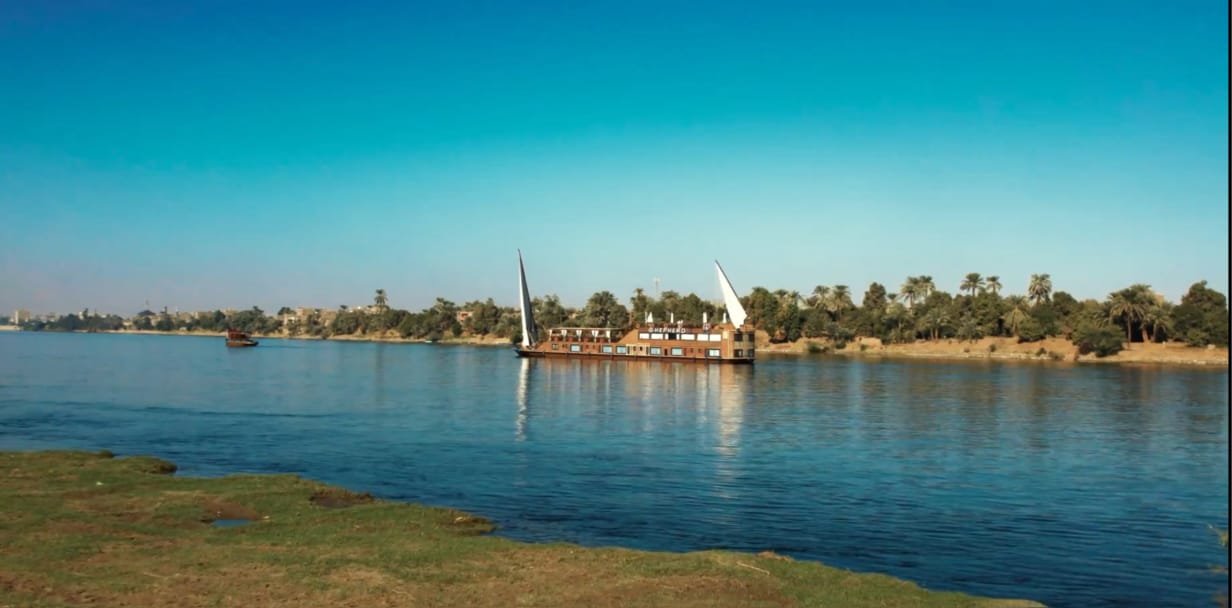
What Does “The Gift of the Nile” Mean?
The phrase “The gift of the Nile” means that Egypt depended entirely on the Nile River. Without the Nile, Egypt would have been a lifeless and dry desert. The Nile River offered water for farming, daily use, and resources required for survival. In simple words, the Nile gifted Egypt everything needed to sustain a civilization.
Why Was Egypt Called the Gift of the Nile?
Ancient Egypt was one of the most successful civilizations in history. It developed in the middle of a vast desert. This was achieved due to the Nile River. The Nile made life possible where survival would otherwise have been tough. Due to its significance in shaping Egypt’s land, society, and economy, Egypt came to be called “the gift of the Nile”.
Why Did the Greek Historian Call Egypt the Gift of the Nile?
The Greek historian Herodotus visited Egypt in the 5th century BCE. He called Egypt “the gift of the Nile” because he observed that most people lived near the river, while the land away from it was empty and dry.
Nile’s yearly floods impressed him, which made the soil rich and good for farming. Due to this fact, Egyptians could grow crops every year easily. He believed that Egypt became successful just because of the Nile River.
How Did the Nile Help Egypt Grow?
The Nile provided support to Egyptian life in various ways:
- Agriculture:
Nile’s yearly floods made fertile soil that allowed farmers to grow crops such as barley and wheat. This food supply helped Egypt develop an organized society. - Water Source:
Egypt receives very little rainfall, so the Nile was the only source of fresh water for irrigation, drinking, and household use. - Transportation and Trade:
The river was a natural route for trades and travel. People, goods, and ideas moved along the Nile easily, helping unite different regions of Egypt. - Natural Resources:
The Nile provided fish for food and papyrus plants for making paper, boats, and other useful items.
Why is the Nile River Called the Lifeblood of Egypt?
The Nile sustained every aspect of life, that’s why it is called the lifeblood of Egypt. It supported food production, nourished the land, allowed trade, and connected communities.
Even today, the Nile plays an important role in Egypt. After knowing amazing things about the Nile, many of you may like to go on a trip to explore Egypt and the Nile River. Nile Cruisen can help you explore the beauty of the Nile and Egypt’s famous landmarks through an Egypt river cruise.
Why is Egypt Called the Gift of God?
The Nile was considered a divine blessing that’s why people call Egypt the gift of God. Many ancient Egyptians believed that Gods controlled the Nile’s floods, especially Hapi, the god of the Nile and fertility. The floods were predictable, which made Egyptians feel protected by divine forces. This made them believe that their land was blessed and sacred.
Conclusion
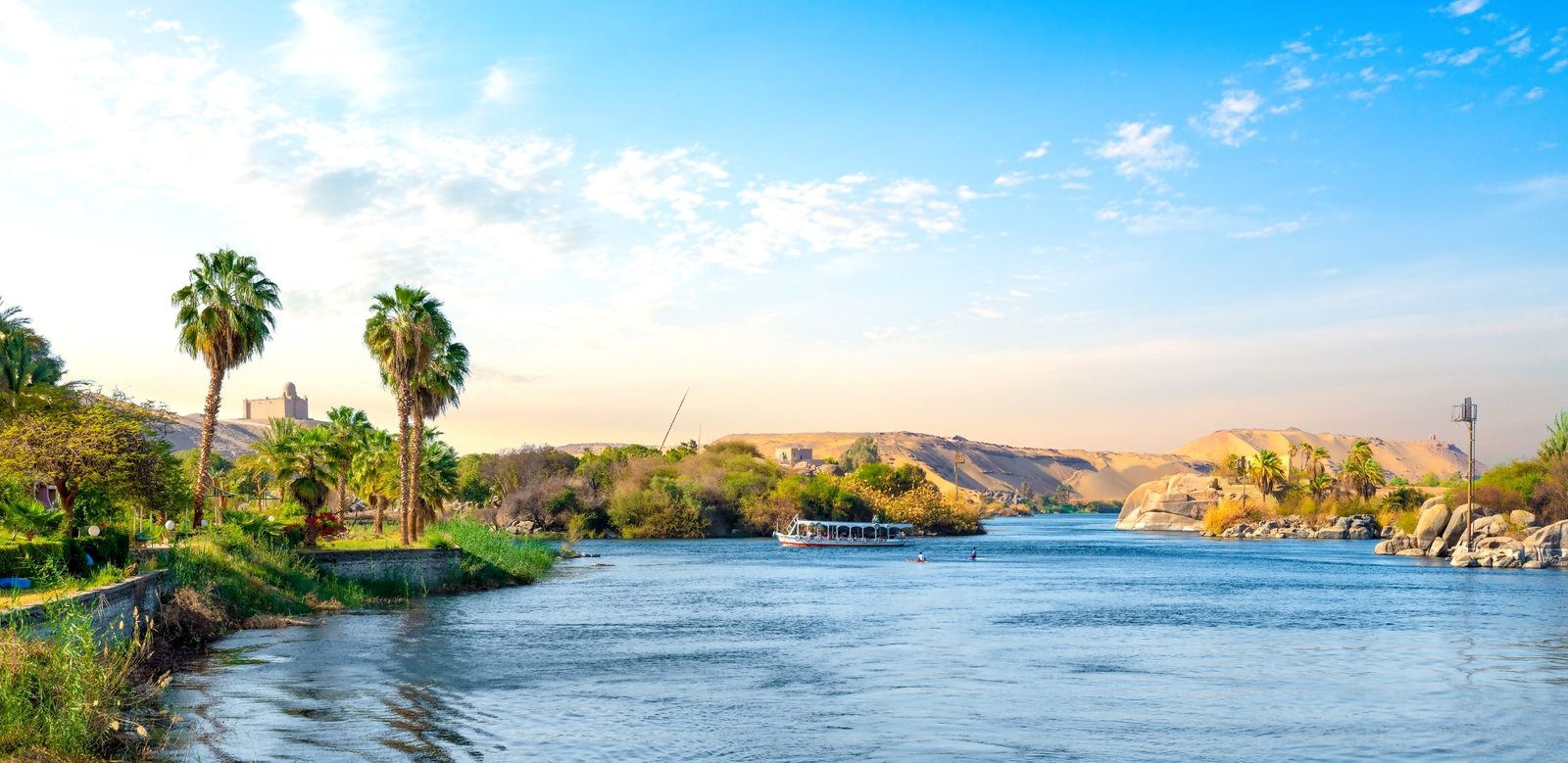
Egypt is called the gift of the Nile because it turned a desert into a growing civilization. It provided water, fertile land, transportation, food, and spiritual meaning. If you are interested in visiting Egypt through a Nile Cruise, you can book a Nile cruise from Luxor to Aswan through Nile Cruisen.
Trusted Partners
Nile Cruisen: Chosen by Leading Brands as Egypt's Top Cruise Operator