 Nile Cruisen Team
Holidays in a country reflect its richness in culture and festivities, and so it is with Egypt. The land of pharaohs is not just famous for its historical marvels but also because of its culture and heritage. Today’s scenario in Egypt is shaped by a number of invasions; many dynasties have had control over Egypt for many years. After achieving their sovereignty, the Egyptians have their calendar and set of important holidays and events in a year.
In this short piece of a small blog, we will discuss important events in Egypt that are celebrated in present-day Egypt. Also, about the best time to take a Nile cruise in Egypt and when you can see the diversity of Egyptian people. Let’s begin with knowing the importance of the holidays in Egyptian culture.
Holidays in Egypt are more than days off work or school. They are moments of family gatherings, cultural pride, religious devotion, national remembrance, and community celebration. Whether the occasion is religious, historical, or seasonal, Egyptians use holidays to strengthen social bonds and preserve traditions passed down across generations.
In Egypt, there is no single holiday that dominates all others, because importance depends on religion and personal identity. However, two holidays stand out nationally, which are Eid al-Fitr and Eid al-Adha. These are considered major holidays due to the majority of the Arab population in Egypt.
Eid al-Fitr: Celebrated after the holy month of Ramadan, Eid al-Fitr is considered the most joyful and widely celebrated holiday in Egypt. It represents gratitude after a month of fasting (everyday fast commonly known as Roja). In this month charity and kindness, family unity, and also celebration through food, gifts, and prayers are encouraged widely. Cities become lively with decorations, parks fill with families, and children receive gifts and sweets.
Eid al-Adha: Another major holiday, Eid al-Adha honors sacrifice, faith, and generosity. Families gather, special meals are prepared, and acts of charity are emphasized. Together, these two Eids are the most significant religious holidays in modern Egypt.
Did ancient Egypt have holidays?
Yes, ancient Egyptians celebrated many holidays throughout the year, and their calendar was full of festivals. Ancient holidays were connected to the worshipping of gods and goddesses. Generally the agricultural seasons occur during the flooding of the Nile. Major royal events for spiritual renewal are organized in the temple complex or at sacred places.
Some important ancient festivals included the Opet Festival (celebrating the bond between gods and pharaoh), the Beautiful Feast of the Valley (honoring the dead), the New Year Festival (linked to the Nile’s annual flood),, and harvest celebrations after a good harvesting of food.
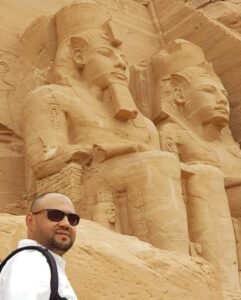
These festivals often involved music, dancing, processions (marriages), offerings to temples, and community feasts. Holidays were essential to spiritual life in ancient Egypt, just as they are socially important today. From centuries the way of celebration and festival may have changed, but the festive enthusiasm in Egyptians remains the same to date. That’s why festivals like the Abu Simbel Sun Festival are widely celebrated in the Abu Simbel temple, and during this time a lot of tourists book Nile cruise packages to see the authentic culture of Egypt.
Why is July 23rd important to Egyptians?
July 23rd is celebrated as Revolution Day in Egypt. It marks a major turning point in modern Egyptian history. On this day A political revolution took place in 1952 The monarchy came to an end, and Egypt began its transformation into a republic. National independence and social change were emphasized. For Egyptians, July 23rd represents Pride in national sovereignty, Freedom from foreign influence, Hope for political reform and Respect for those who shaped modern Egypt
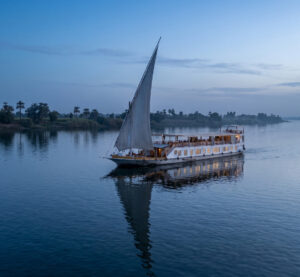
It is observed as a national public holiday, with official ceremonies and in remembrance of the sacrifices of the people who contributed to achieving the sovereignty of Egypt from the British influences. The national holiday comes during the peak summers, so maybe it’s not a great time for Dahabiya Nile Cruise over the Nile; also, during summers desert activities cannot be performed.
What do Egyptians celebrate instead of Christmas?
Egypt has both Muslim and Christian communities, and their celebrations differ. Egyptian Christians (Copts) celebrate Coptic Christmas on January 7th, not December 25th. This difference exists because they follow the Coptic calendar, which is based on older traditions. Coptic Christmas traditions include church services at midnight, family feasts, special bread, sweets, decorations, and festive gatherings.
Do Muslims in Egypt celebrate Christmas?
No, Muslim Egyptians do not celebrate Christmas as a religious holiday. Instead, they celebrate Eid al-Fitr, Eid al-Adha, Islamic New Year, and Prophet Muhammad’s birthday (Mawlid).
When can Egypt be explored best?
In the months from September to April people can visit Egypt; it’s one of the best times of the year. From September days start feeling less hot; package prices are also nominal, speaking from an experienced travel agent’s perspective of Nile Cruisen. Winters from October to February are also best; during this time, travelers encounter busy cruises and a rush of tourists from all over the world.
Conclusion
The holidays are undoubtedly one of the most important parts of any culture. So, planning your Nile cruise from Luxor or Egypt tour should not depend on holidays. Visit Egypt whenever you want; just follow one piece of advice. Follow the rule and regulation for Egyptian tourism, and also listen to your travel guide’s suggestion.

This article was created by the team at Nile Cruisen, one of the best tour operators in Egypt for Nile cruises and tailor-made Egypt tours.
With years of experience sailing between Luxor and Aswan, our team knows the Nile better than anyone.
We share trusted travel advice, from the best time to visit and what to pack to simple tips for avoiding crowds.
Our goal is to help you enjoy the timeless beauty of Egypt with comfort, confidence, and an unforgettable travel experience.
- Nile Cruisen Team

- Nile Cruisen Team
- Nile Cruisen Team

- Nile Cruisen Team