What are 5 facts about King Tut?
Table of Contents
-
Brief Summary
-
Who was King Tutankhamun?
-
Fun facts about King Tut’s tomb
-
How was Tut’s tomb discovered?
-
What are 5 things found in King Tut’s tomb?
-
Why Was King Tut’s Tomb So Important?
-
Conclusion

Brief Summary
King Tutankhamun, commonly known as King Tut, is one of the most famous pharaohs in Egyptian history. The pharaoh was not famous because of his legacy or his ruling period, but because Tut’s tomb is the only burial monument that was untouched before by robbers. When researchers found the tomb, there was treasure that helped Egyptologists in learning about the afterlife rituals of the Egyptians. It is seen as a milestone that changed archaeology forever.
Who was King Tutankhamun?
King Tutankhamun ruled Ancient Egypt around 1332–1323 BCE during the New Kingdom period. He became pharaoh at a very young age, believed to be around 8 or 9 years old.
His reign lasted only about ten years, and he restored traditional Egyptian religion after a period of religious change introduced by his predecessor. After the DNA testing, it was said by Egyptologists that he died as a teenager, making him one of Egypt’s youngest rulers. Although his rule was short, the discovery of his tomb made him the most recognized pharaoh worldwide.
Fun facts about King Tut’s tomb
Here are five important and interesting facts about King Tutankhamun:
He was a child pharaoh: Tutankhamun became king before reaching adulthood; he had advisors and officials who likely helped govern Egypt during his early reign.
His Name Had Religious Meaning: His original name was Tutankhaten, meaning “Living Image of Aten.” Later, it was changed to Tutankhamun to honor the god Amun when traditional religion returned.
His Tomb Was Almost Completely Intact: Unlike most royal tombs, his burial site escaped major robbery, and this allowed historians to see authentic royal burial practices of ancient Egyptian people.
His Death Remains a Mystery: Scholars still debate whether he died from illness, injury, or genetic conditions. Modern scans suggest health problems rather than murder.
He Became Famous Thousands of Years Later: During his lifetime, he was a relatively minor ruler, but his global fame began only after archaeologists discovered his tomb in 1922.
How was Tut’s tomb discovered?
The discovery itself is one of archaeology’s greatest stories. British archaeologist Howard Carter discovered the tomb in the Valley of the Kings in 1922, and the excavation was funded by Lord Carnarvon. Carter reportedly saw “wonderful things” when he first looked inside.
According to the records, it was believed that the tomb had been sealed for over 3,000 years.
This discovery provided the most complete picture of an Egyptian royal burial ever found. Even today the tourists can see almost 5,000 artifacts related to King Tutankhamun at the Grand Egyptian Museum in Cairo before or after the Nile cruise journey.
What are 5 things found in King Tut’s tomb?
Among thousands of artifacts, several discoveries became iconic symbols of ancient Egypt.
The Golden Funeral Mask: The mask made of gold and precious stones, the mask of King Tutankhamun, was a major thing that was found in the tomb, which covered the king’s mummy’s face. It represented divine protection and royal identity.
Royal Chariots: There are several chariots that were buried with him and likely used for ceremonies and hunting rather than warfare. They are also found at the burial place of the king Tutankhamun.
Jewelry and Amulets: Also, when excavated, rings, necklaces, and protective charms surrounded the mummy. Egyptians believed these items protected the soul; also, this was the major reason why most of the Egyptian tombs were robbed by traders, as Egyptian burial practices included burying gold and precious items with the pharaoh’s body. That fact was found right after the discovery of Tut’s tomb.
Thrones and Furniture: A beautifully decorated golden throne was discovered with chairs, beds, and storage boxes that showed royal lifestyle details. All these things kept the afterlife journey of the pharaoh easier.
Food and Everyday Objects: Some wine jars, oils, clothing, and sandals were also found when the tomb was fully excavated. Egyptians believed the king would need daily comforts in the afterlife.
All these objects helped historians understand how ancient Egyptians viewed death and eternity. It was seen as a major victory for the Egyptologists, as it gave them a direction to find more hidden tombs to explore more about ancient Egypt. Some research is still going on at different historical sites to understand the depth of the rich Egyptian history and heritage that prevailed for a long period of time.
Why Was King Tut’s Tomb So Important?
- Tut’s tomb changed historical understanding in several ways. It provided direct evidence of royal burial traditions and how a pharaoh was properly mummified back in time by the Egyptians after death.
- The tomb’s detailing and artworks on the walls also revealed the craftsmanship and artistic skills of the New Kingdom.
- It helped scholars understand Egyptian religious beliefs and how they saw the afterlife, which sets Egyptian civilization apart from the rest of the world.
- The tomb’s discovery offered insight into royal fashion, diet, and daily life, and the items also described the artisans of ancient Egypt, which tourists can also see at the Tutankhamun Museum.
- Before this discovery, knowledge about pharaoh burials came mostly from damaged or robbed tombs. But after the excavation, research gets a direction and helps them explore Egyptian culture in more detail and depth.
Conclusion
King Tutankhamun’s story proves that history’s greatest fame sometimes comes not from conquest or power but from discovery. His tomb, filled with treasures untouched for thousands of years, opened a window into Ancient Egypt unlike anything ever found before. Its artifacts are a must-see, so it is advised, as an experienced travel agency, to all the travelers to pay a kind visit to the museums and witness the royal culture of ancient Egypt.
Other Useful Links
The Fascinating Story of the Temple of Derr
The Journey of a Lifetime: Sail the World’s Longest River in Style
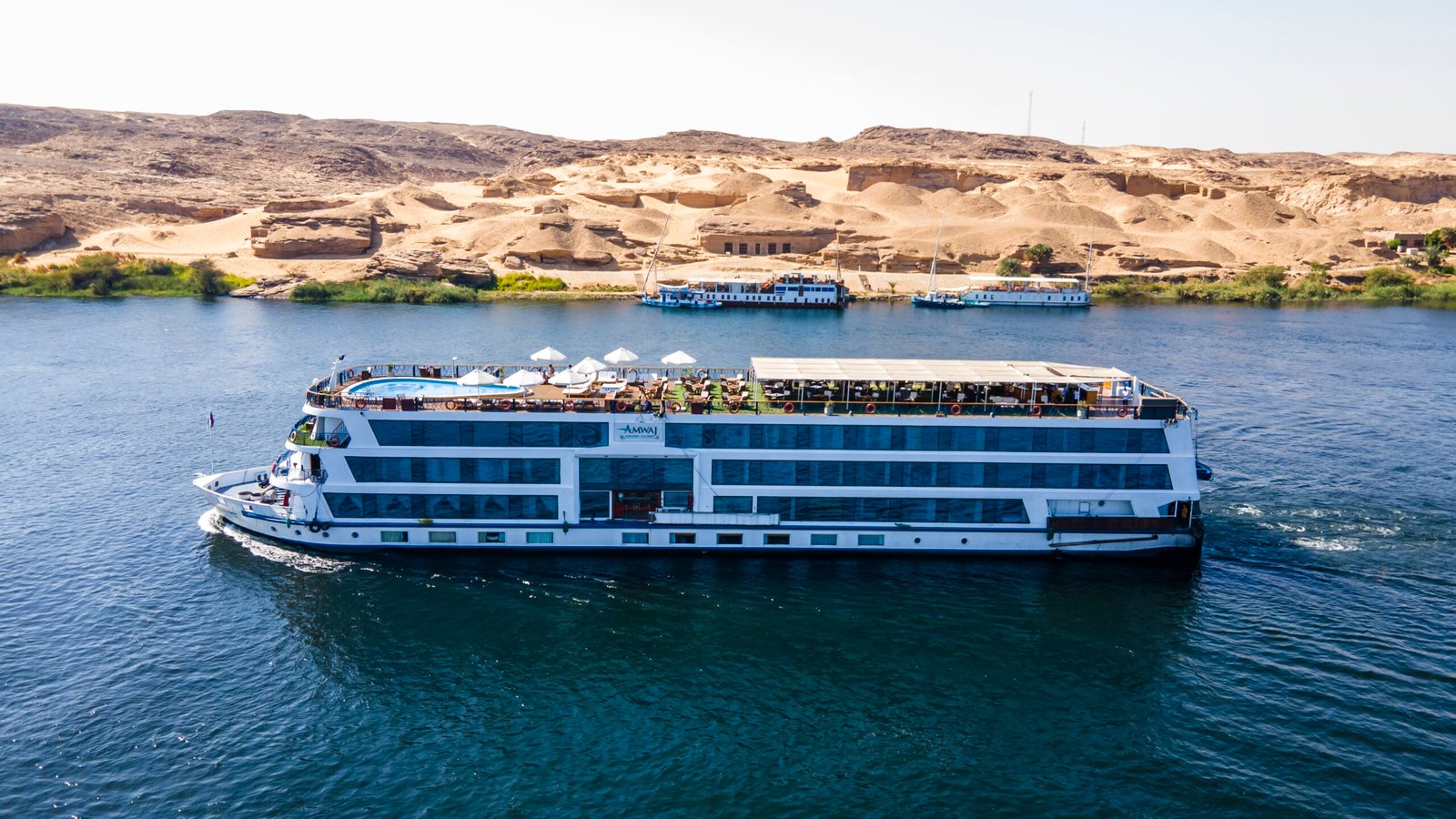
Amwaj Livingstone Nile Cruise
Start from
$555 / U$D
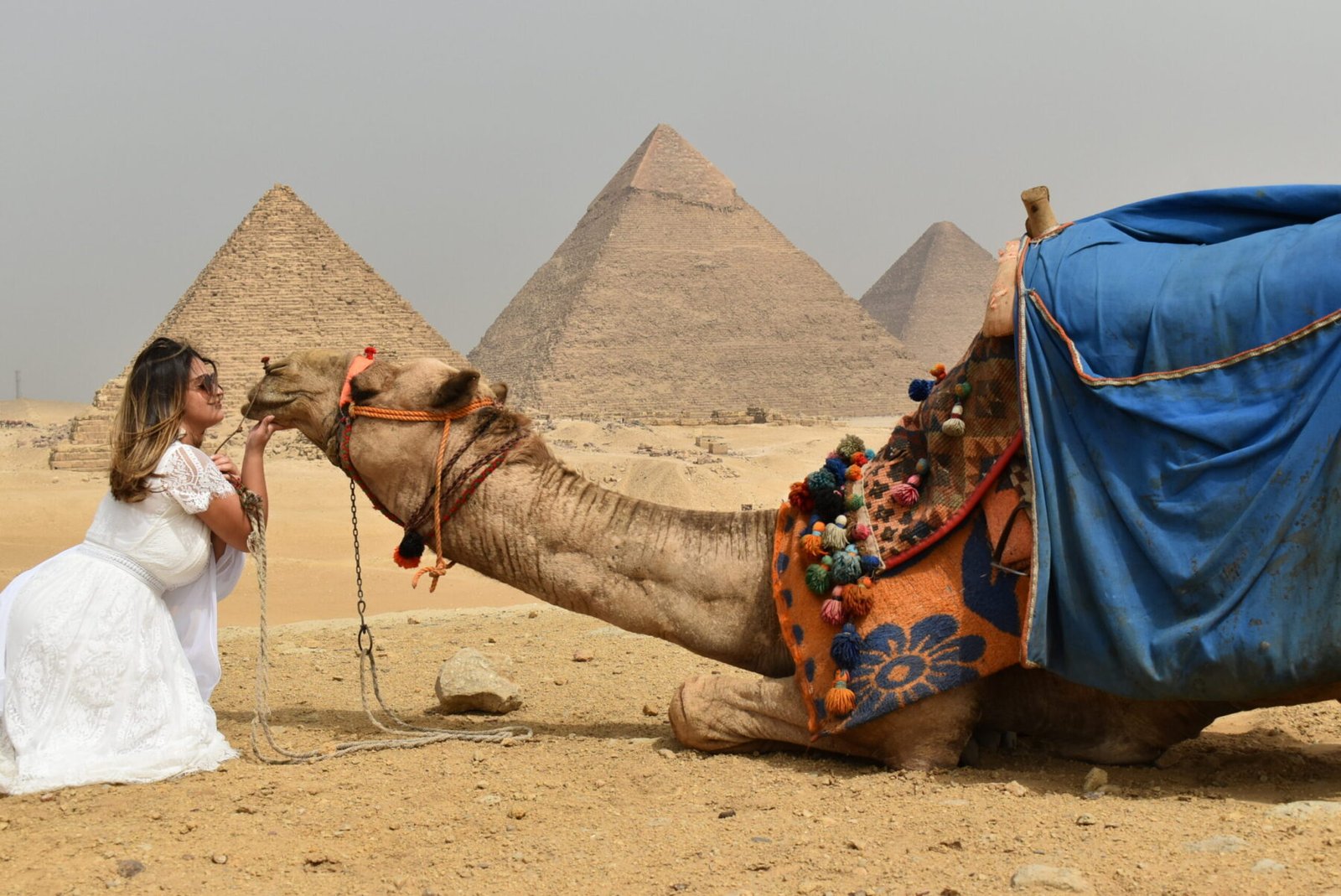
Nile Cruise and Pyramids Package
Start from
$799 / U$D

Farah Nile Cruise
Start from
$999 / U$D
Trusted Partners
Nile Cruisen: Chosen by Leading Brands as Egypt's Top Cruise Operator