Your Comprehensive guide for traveling from Australia to Egypt: the great jump through history and geography
Have you ever imagined swapping the view of the “Sydney Opera House” for the eternal Pyramids of Giza? Or leaving the roaring waves of the “Gold Coast” to relax before the eternal calm of the Nile?
For an Australian, traveling to Egypt is more than just a regular holiday; it is a “pilgrimage through time.” You are moving from the “New World” in the far south, where pristine nature meets modernity, to the “center of the Old World” in the north, where history began, and every stone tells a story.
We know the distance is long (over 20 hours of flying), but we assure you: the prize waiting for you at the end is worth every minute spent in the air. In this epic guide, we will be your partner from the moment you take off from Sydney or Melbourne airport until the moment you enjoy your mint tea at El Fishawy Café in Cairo.
Chapter one: Taming the distance (Flight Strategies for Australians).
There are no commercial direct flights nowadays between Australia and Egypt, which makes choosing the airline a crucial factor in the success of the journey.
1. The “Middle East route” (the premium and most comfortable option):
Gulf airlines are the preferred choice for Australians for good reason: they break the extremely long journey into two manageable halves.
• Options: Emirates (via Dubai), Qatar Airways (via Doha), or Etihad Airways (via Abu Dhabi).
• The Route:*A long flight from (Sydney/Melbourne/Perth) lasting about 14 hours, followed by a short transit break, then a quick jump (3-4 hours) to Cairo.
The “Stopover Trick” Tip: Since you’ve traveled all this distance, we recommend spending a night or two in Dubai or Doha. This helps you overcome Jet Lag and ensures you arrive in Egypt at full energy.
2. The “Asia” Route (For the Adventurous):
You can fly via Singapore or Bangkok and then head to the Middle East, but this option often increases the total travel time.
Chapter Two: The game of reverse Seasons (When to escape Australia?)
Australia is in the Southern Hemisphere, and Egypt is in the Northern Hemisphere. This means that the seasons of the year are completely opposite, which is great news for planning!
1.The great escape (December – January):
While Australia flames in the summer heat and forest fires. Egypt is at its winter peak.
Weather: In Luxor and Aswan, daytime temperatures are “Perfection” (around 20-25 degrees).
The Advantage: This is the ideal time for Australians to spend the Christmas and New Year holidays in an atmosphere completely different from the usual “beach barbecue”.
2. Spring and Autumn (March – May / September – November):
These are the transition months. The weather is very moderate, crowds are fewer, and prices are better than during the peak of winter.
3. Warning the Egyptian summer (June – August):
You might say, “I’m Australian, I’m used to the heat!” However, Egypt’s heat (especially in the South) is a dry desert heat that can exceed 45 degrees
Advice: If this is your only vacation time, focus your trip on the Red Sea beaches (Hurghada and Sharm El-Sheikh) and Nile Cruise; as you can explore now the best deals for Nile Cruise and Red Sea packages

Chapter Three: The Visa – Rules for Australian passport holders.
Rules have changed slightly in recent years, so accuracy is required to avoid stress:
1. E-Visa – The smarter option:
- It is highly recommended to apply in advance through the official government website (visa2egypt.gov.eg).
- Apply at least 7 days before traveling.
- Cost: 30 US Dollars.
- Feature: You skip the bank queues at the airport and arrive confident of your entry.
2. Visa on arrival:
Historically, it was available to Australians, but the rules sometimes fluctuate. For peace of mind, stick with the E-Visa.
Passport Validity:*Ensure your passport is valid for at least 6 months from the date of entry.
Chapter four: Culture shock – A survival guide for Australians
Coming from the “No Worries, mate” culture, quiet and organized Cairo may seem like a storm of life.
1. Driving and Traffic:
In Australia, laws are sacred. In Cairo, traffic lights are “suggestions”.
Tip: Do not attempt to rent a car and drive yourself. Use apps like Uber or Careem; they are very cheap compared to Australia and save you the dealing with “street chaos”.
2. Coffee Snobbery:
We know Australia has the best Flat White in the world. In Egypt, you will find global chains, but:
Try the Local: Turkish coffee or Egyptian coffee in traditional cafes (“Ahwa”). It is strong, concentrated, and a cultural experience in itself.
3. Tipping vs. High wages:
In Australia, tipping is not mandatory because the minimum wage is high. In Egypt, the situation is completely different.
The Rule: Tipping (Tips) is a fundamental part of the income for tourism workers. Keep your pockets full of small bills (Egyptian Pounds or $1 USD bills) for porters and drivers.
4. The Reef Debate.
You will compare the “Great Barrier Reef” with the “Red Sea”.
The Surprise: The Red Sea is characterized by coral reefs very close to the beach (Shore Diving/Snorkeling). The water is very warm, and there are no dangerous jellyfish (Stingers) like those in Queensland.
Chapter Five: Money and budget (The Australian Dollar in Egypt).
1. Currency:
The Australian Dollar (AUD) is not a widely traded currency on Egyptian streets (unlike the US Dollar or the Euro).
•The Solution: Before leaving Australia, convert some money into US Dollars (USD). It is the “King” in Egypt, accepted everywhere, and easy to exchange.
2. Cost:
For Australians, Egypt is considered a very affordable destination (High value for money). The cost of a luxury dinner in Cairo might equal the cost of a “Coffee & Sandwich” in Sydney. Take advantage of this to treat yourself at 5-star hotels.
3. Haggling:
You don’t haggle at “Woolworths,” but in Egyptian markets (like Khan el-Khalili), you must haggle. Start at half the displayed price and always start with a smile.
Chapter Six: Electricity and logistics
• Electricity: Australia uses angled plugs (Type I). Egypt uses round plugs (Type C/F) and 220 Volts.
The Solution: Don’t forget to bring a Travel Adapter.
Chapter Seven: Suggested journey pathway (Make the long trip worth it)
Since you’ve traveled halfway across the globe, don’t come for just 5 days. The suggested minimum is 12–14 days
Days 1–3 (Cairo): Giza Pyramids, The Sphinx, The Grand Egyptian Museum (The GEM), and a Nile dinner cruise.
Days 4–8 (Nile Cruise): Fly to Luxor and board a cruise to Aswan. This is an experience that has no equivalent in Australia. Complete relaxation amidst ancient temples.
Days 9–12 (The Red Sea): Hurghada or Sharm El Sheikh. Enjoy diving and snorkeling in crystal clear waters.
*Day 13: Return to Cairo for a final shopping tour, then head to the airport.
Conclusion: Why Egypt? And why now?
Traveling from Australia to Egypt requires effort and time, yes. But when you stand before the Karnak Temple and touch inscriptions carved by humans 3,000 years ago, or when you watch the sunset turn the Nile into a golden color, you will realize that you haven’t just traveled a geographical distance.
You have taken a journey that many can not. You will return home with stories to tell your grandchildren and photos that will leave your friends in awe. Egypt is not just a destination; it is the origin of the story.
All-Inclusive Egypt Travel Packages from Australia: 2026 Deals & Itineraries

10-Day Egypt Itinerary: Cairo & Nile Cruise
Start from
$1209 / U$D
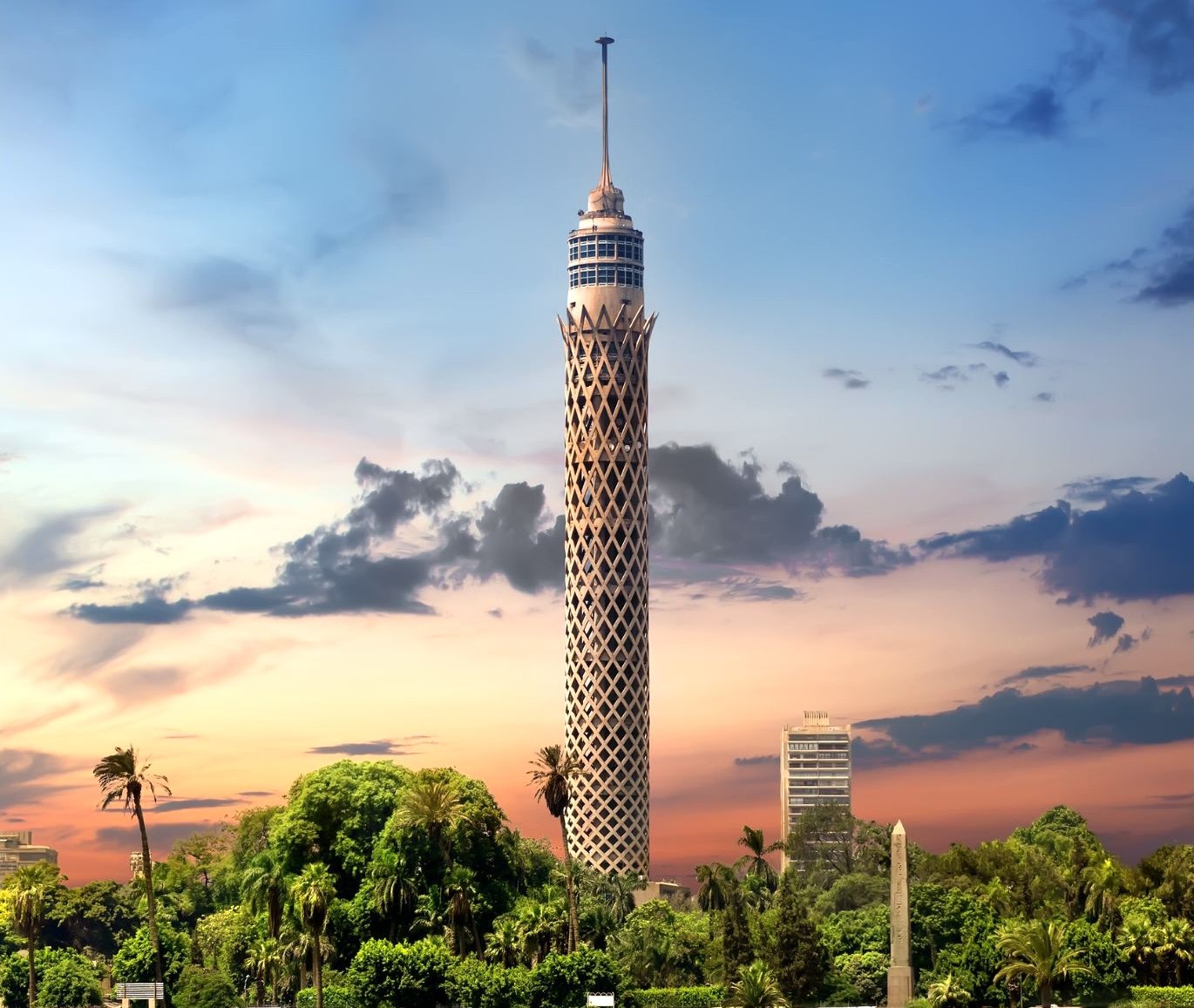
10-Day Egypt Itinerary: Cairo, Nile Cruise & Alexandria
Start from
$1219 / U$D
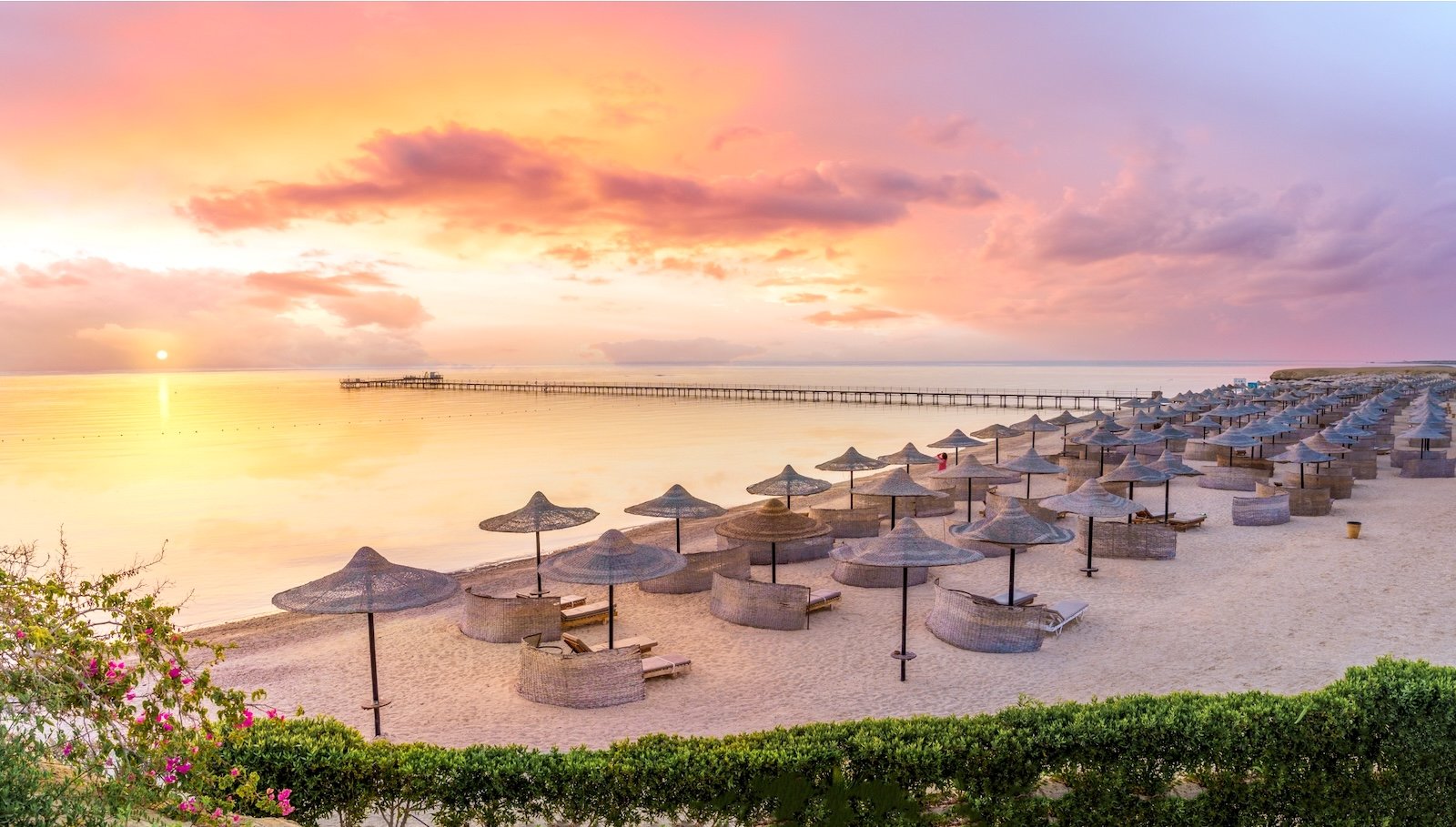
12-Day Egypt Itinerary: Cairo, Nile Cruise & Marsa Alam
Start from
$1479 / U$D

A 10-Day Egyptian Itinerary: Cairo, Nile Cruise & Siwa Oasis
Start from
$1299 / U$D
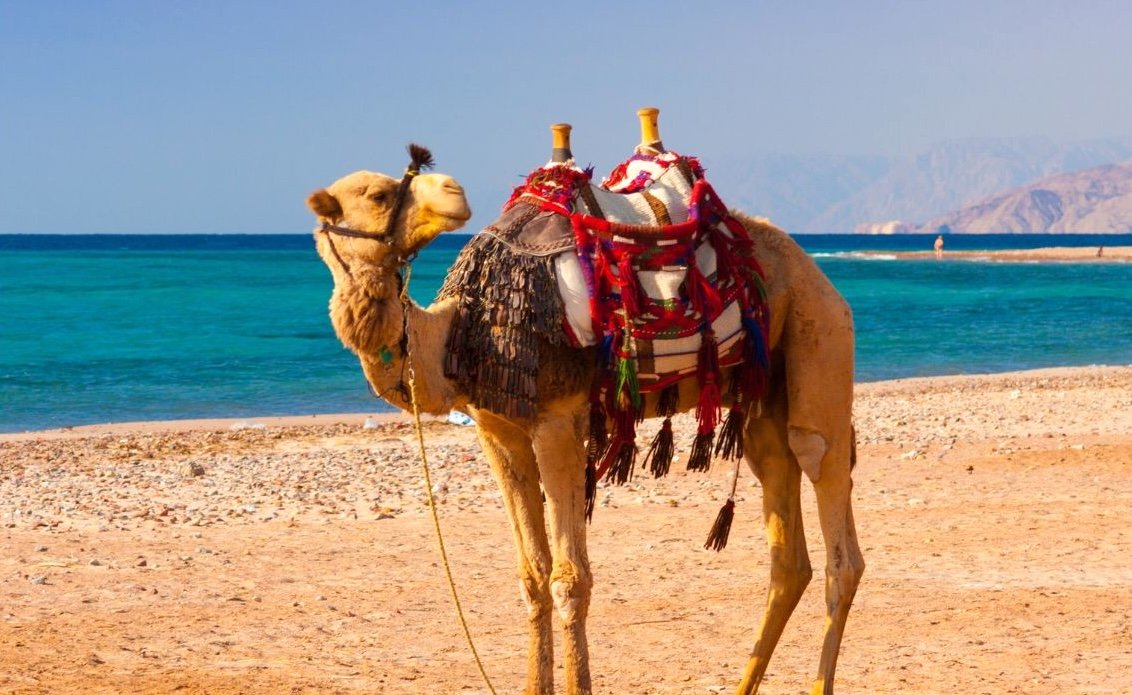
Egypt Trip 10 days: Cairo, Nile Cruise, and Hurghada (Red Sea)
Start from
$1269 / U$D
Trusted Partners
Nile Cruisen: Chosen by Leading Brands as Egypt's Top Cruise Operator