The Story of the Nile River
The Nile River is one of the most famous and greatest rivers of the world, and is linked with the establishment of great civilizations on its banks, and perhaps the most famous and the greatest of which is the Pharaonic civilization or ancient Egyptian civilization, which was known for the longing and prosperity for a long time, and left humanity a huge legacy of renaissance, civilization and culture.
The Nile River passes through nine African countries: Egypt, Sudan, Uganda, Kenya, Burundi, Tanzania, Ethiopia, Rwanda, and the Democratic Republic of the Congo. Eritrea was added as an observer in 1999. The Nile River is 6671 km, covering 3.4 million km², and its flow rate is 2830 meters per second.
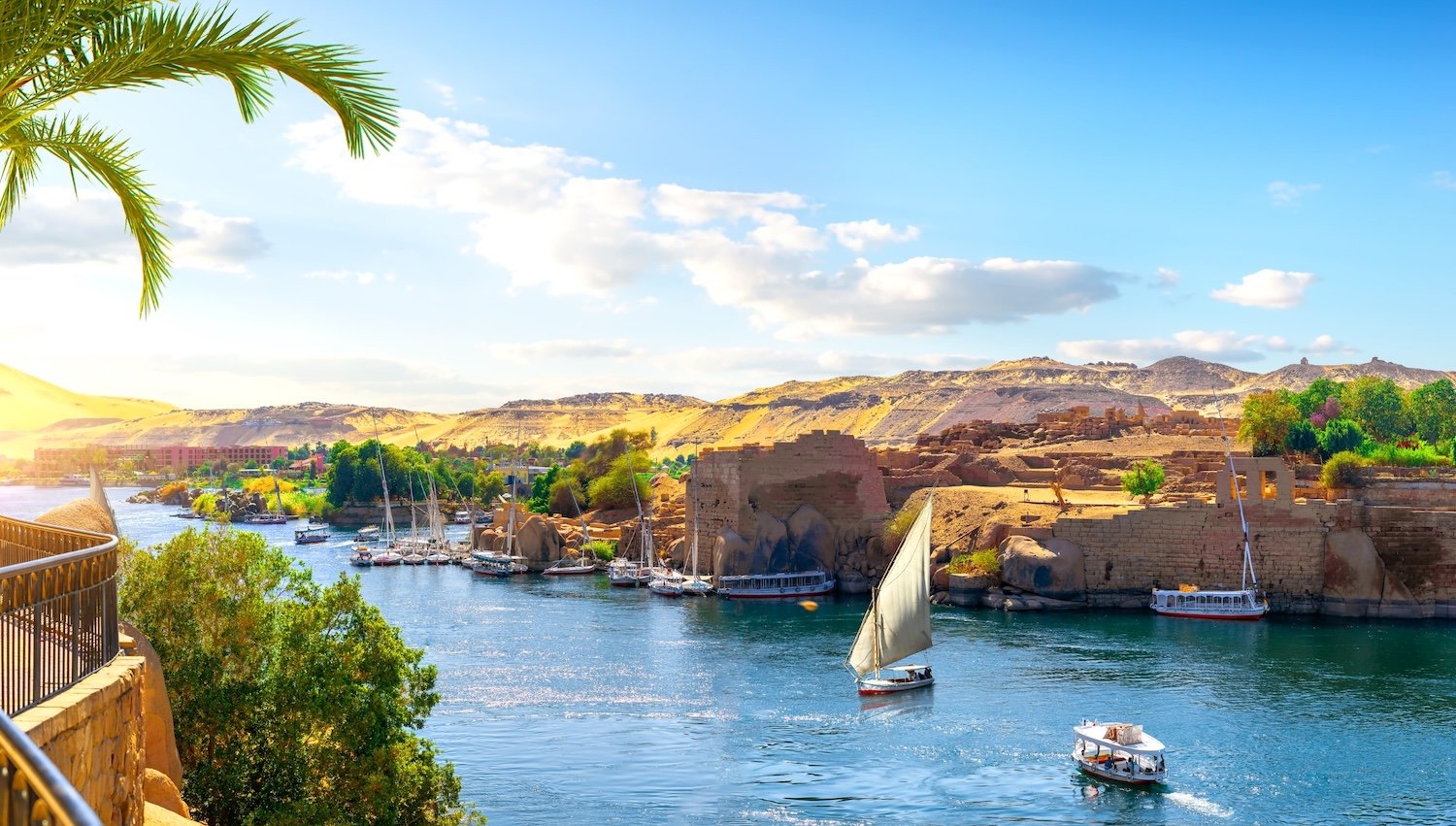
The source of the Nile River.
The Nile River stems from two essential and different tributaries, which together form the longest river in the world in partnership with the Amazon River in the Latin American continent, and these two tributaries are:
- The White Nile: which stems from Lake Victoria, which is between three countries, Kenya, Uganda, and Tanzania, and Lake Victoria is the primary source of the Nile River, and geographic people consider that the rivers that flow into the lake are among the sources that contribute to the Nile feeding, and from these sub -rivers: the Akkagra River in the state of Rwanda.
- Blue Nile: which is originated from Lake Tana in the heights of Ethiopia, and meets the white Nile in Khartoum and then complete their way together in the direction of the estuary in the Mediterranean Sea, and before it reaches the estuary, it branches for two branches: the Rashid branch and the Damietta branch, and the triangular area that consists of them is known as the Nile Delta or the Delta of Egypt.
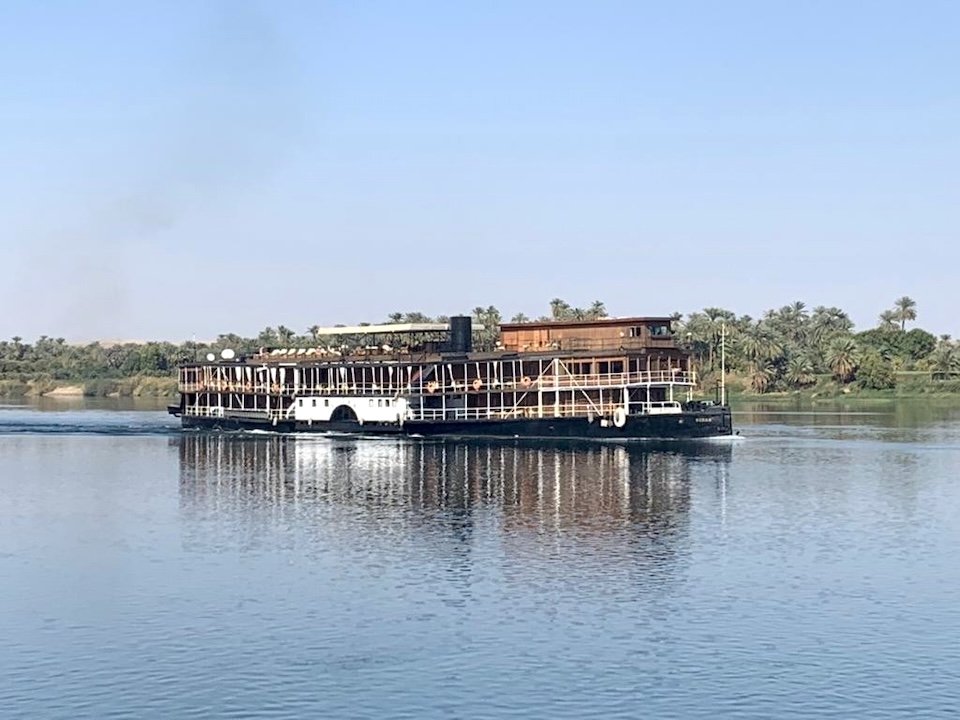
The Nile River in ancient times.
- The current form of the Nile River dates back to the Stone Age.
- The trend of the flow of the Nile River is the opposite of the direction of gravity, that is, from south to north.
- The Pharaohs called the Ertoufa on the Nile, where it means in the Pharaonic language “The Great River”, and from it the name “canal” came.
- It was found that the word Nile means blue, as it took its meaning from old languages.
- The ancient gods of Egypt were linked to a great link with the Nile River, where the god Hapi, who is the father of the gods, was in the form of a man with a breast and a full abdomen, and was painted in blue to symbolize the water of the Nile, and in black to indicate fertility.
- The Egyptians considered the Nile River an essential source of irrigation for agricultural lands, and it was an important source of their communication with the outside world through the movement of ships and boats.
- The Nile is of great importance in the lives of ancient Egyptians. The flood of the Nile was taking place periodically during the summer, as it fertilizes the land with water and the nutrient elements that the Nile’s silt carries to feed the lands, as the peasants were cultivating all year old and waiting for the flood of the Nile to bring the good.
- The ancient Egyptians carried out their sacred rituals, where they held the celebrations due to the flood of the Nile, and named the celebrations.
The River Nile Now.
- The first agreement between the Nile Basin countries came in 1959 to find a solution and a mechanism that satisfies all parties from the countries to share water, and the agreement was between Egypt and Sudan, while the rest of the countries were under colonialism.
- In 1980, the countries of the Nile Basin witnessed dryness as a result of the weakness of the Nile flood, which caused water shortages and a major famine occurred in Sudan and Ethiopia, but Egypt was not affected by this problem due to its water stocks in Lake Nasser behind the High Dam.
The Nile River in Islamic Egypt.
The rulers of Egypt in the Islamic state paid attention to the flood and their first care, as they designed the “Nile Meter” in Cairo, and this is an accurate measure of the flood. It is still standing today in the “Rawda Island” in Cairo.
The economic importance of the Nile River
Agriculture field.
The Nile is a major economic importance for the Nile Basin countries, as farmers depend on it to obtain its waters to irrigate their crops. Among the most important of these crops are legumes, wheat, cotton, acidic fruits, dates, and sugar cane.
Fishing.
The fishermen also depend on hunting Nile fish available, as fish are considered one of the most preferred foods that many people of the Nile Basin countries prefer.
Tourism field.
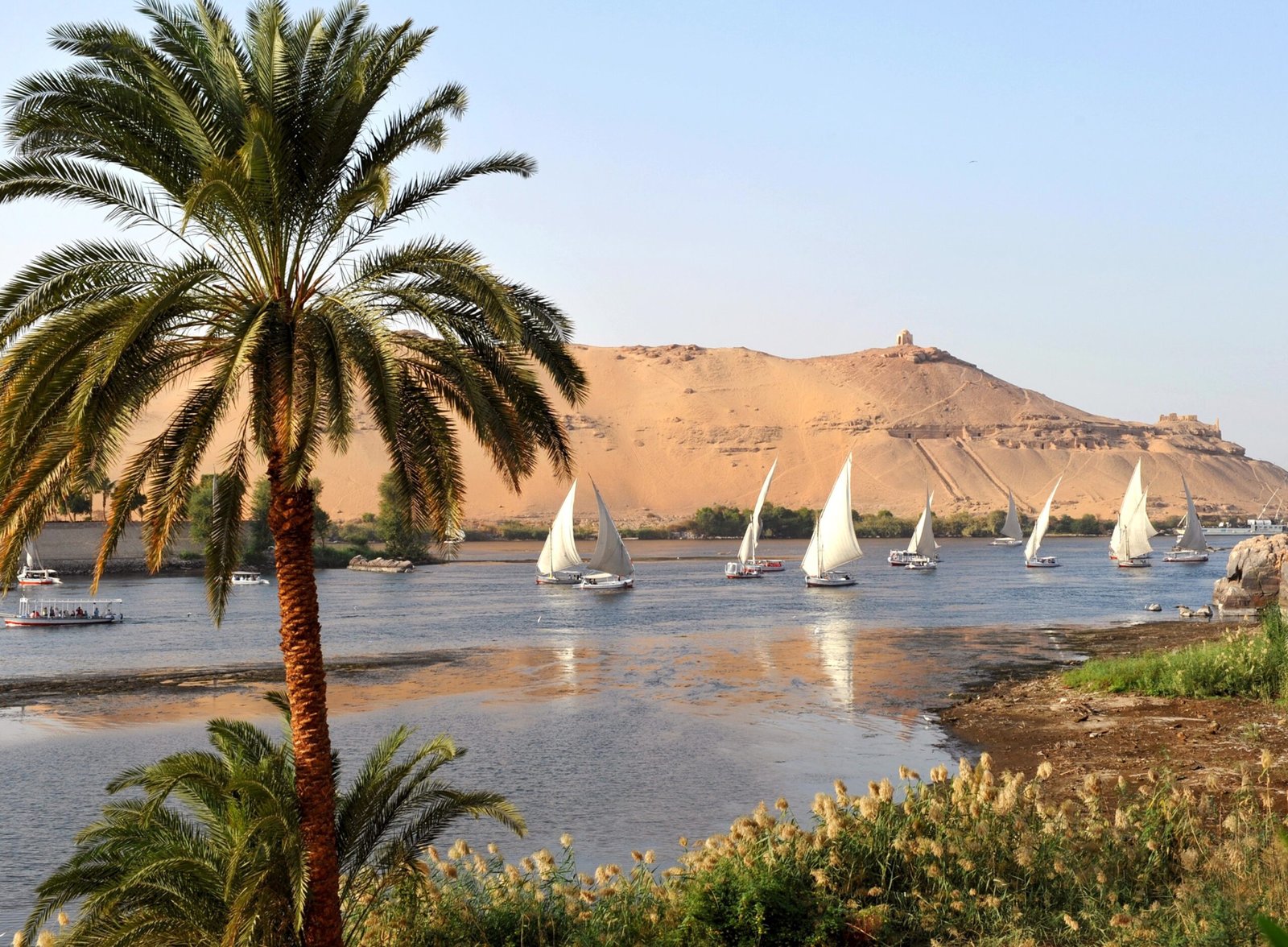
Egypt is distinguished by the Nile Cruise in Egypt, thanks to the Nile, where hundreds of ships and fields carry Egyptian visitors and tourists from all countries of the world.
Trusted Partners
Nile Cruisen: Chosen by Leading Brands as Egypt's Top Cruise Operator