Temples of Egypt
Ancient Egyptian temples are not just monuments; they are proof of early civilizations and ancient architecture. Other than pyramids and tombs that usually capture the tourists’ attention, now the temples of ancient Egypt are also becoming famous for their unique designs and wall carvings that are the legacy of great rulers.
These temples are dedicated to specified ancient gods. They speak a lot about the religious beliefs of the Egyptian people. The temple architecture has dramatically evolved from old kingdoms to new kingdoms and then to the Greek-Roman period. Changes in the style of art and scriptures are visible, which prove that Egypt was ruled by different communities.
Unlike the tombs, home to the dead, these temples are built for the holy spirits, living gods. At some places, offerings are still made, and religious rituals are performed. Priests in temples perform the same ancient rituals, keeping the Egyptian history alive. These great temples are like echoes of history still filling the modern streets of Egypt.
Here is the list of major ancient temples of Egypt.
Karnak Temple—The Great Temple complex
Undoubtedly, the Karnak Temple is the largest temple among the ancient Egyptian architectural marvels. It stands for its prominent, attractive designs and strong religious beliefs. The temple is located near modern Luxor (ancient Thebes); it’s not just any ordinary single temple but a complex of sanctuaries, pylons, obelisks, and halls covering a large area of around 200 hectares.
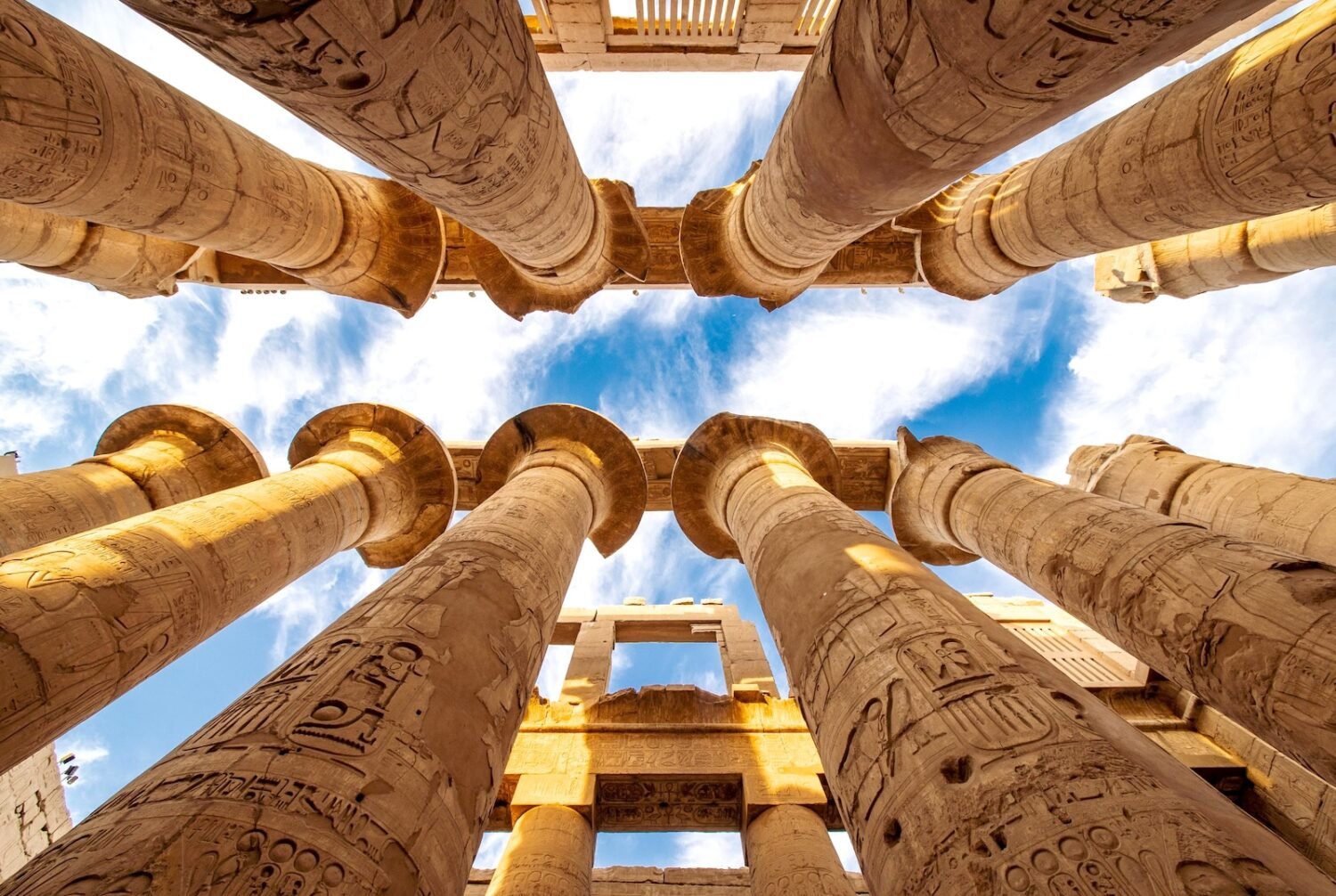
The temple is dedicated to Amun-Ra (the supreme sun god) and his son Khonsu (moon god). It was built from around 200 BCE to 30 BCE; the long time for building the temple shows how big and vast it was, built by the architects of that time.
Timings for visit: In Winters (October-April), 6:00 AM to 5:30 PM
In summer (May-September), 6:00 AM to 6:30 PM
What to wear during the Karnak Temple visit?
Modest clothing, like shoulders and knees covered—it’s a sign of showing respect to the religious values of these ancient Egyptian temples.
Specialty of the temple: one thing that visitors should not miss is the light and sound show at Karnak Temple. There, it brings history to life. Other than that, major religious festivals are also organized, like the Opet Festival.
The Luxor Temple—Echoes of Great Rulers
It was added to the UNESCO World Heritage List in 1979 because of its ancient Egyptian architecture and historical depth. The temple is dedicated to the God Amun-Ra; unlike other temples, which are signs of worship, Luxor Temple stands for the renewal of kingship.

Rames II and Amenhotep III are two major names highlighted for completing the construction of this major temple situated on the east banks of the Nile River, along with Karnak Temple. The massive structures and pylons show the influence of early Greek-Roman-Egyptian-style architecture. The ancient temple in Egypt was built around 1400 BCE. Its aesthetics, like open courtyards, graceful columns, and monumental architecture, perfectly blend with the modernity of the city.
Timings for visit: Opening hours: 06:00 AM to 07:00 AM
Closing hours are usually 09:00 PM; in winter, it is still 10:00 PM
Best Time to Visit: During the night or late evening, as lighting can truly elevate the exploring experience of the temple.
Abu Simbel Temple—Holds the Greatness of Ramses II
Another major temple tourists visit while exploring the Nile from Aswan to Luxor by a Nile cruise is the temple in Abu Simbel, Aswan. This temple is dedicated to Amun-Ra, Ra-Horakhty (sun gods), and Ptah (craftsmen god), and a small temple is made to respect the queen of goddesses, Hathor.
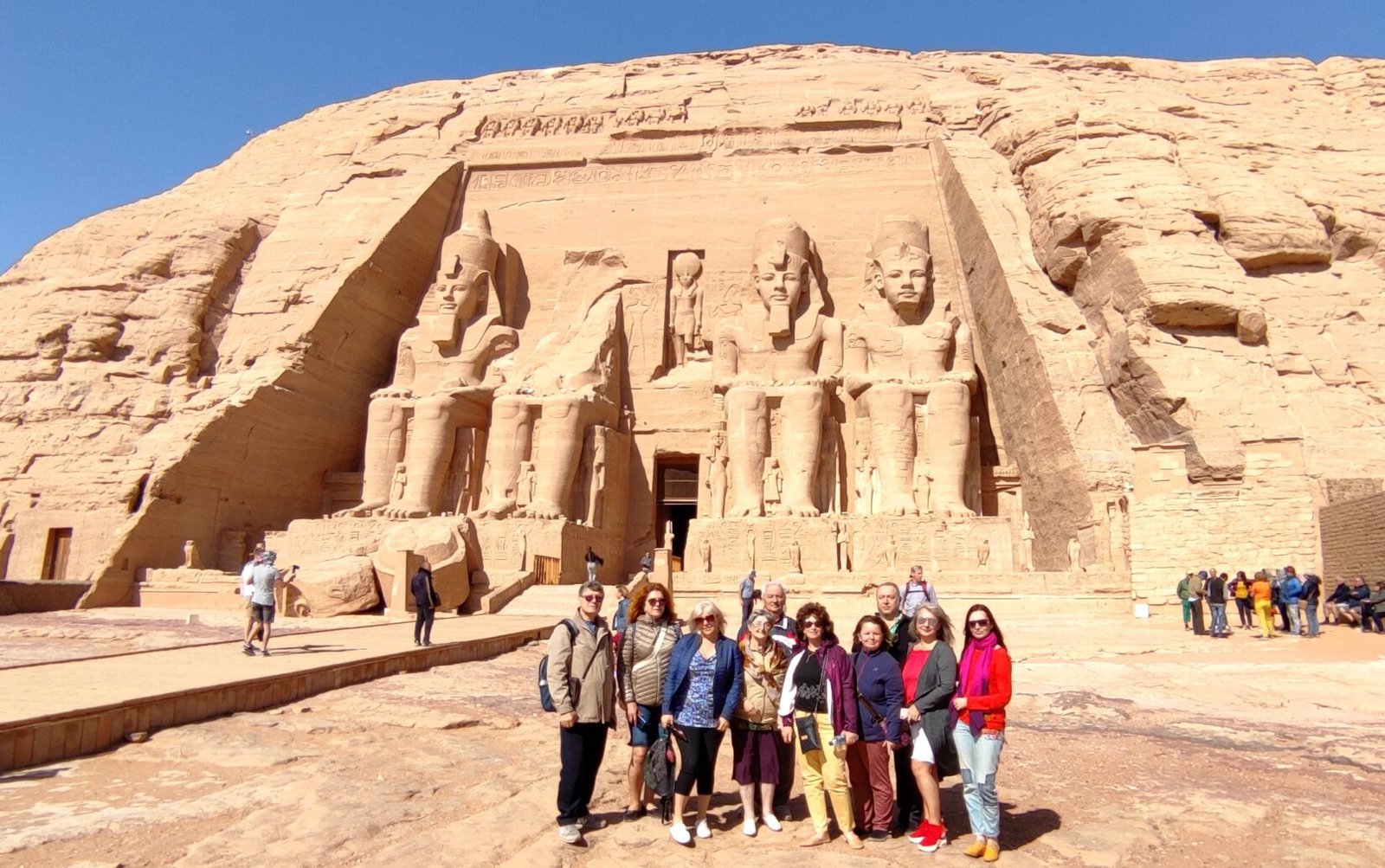
Built in the 13th century, the temple stands as a symbol of the devotion and loyalty of Ramses II towards the ancient deities of Egypt. At the entrance of the temple, four 66-foot statues of Ramses II signify its presence and importance in the great Egyptian culture and history.
Specialty of the temple: its solar alignment. Twice a year (around Feb 22 & Oct 22), the sun’s rays directly reach the statues, creating magical, illuminating views and an astronomical achievement.
What to wear during the Abu Simbel temple visit?
Lightweight and modest clothing, and sun protection like hats, sunglasses, and sunscreen are a must, as the temple is best explored in daylight.
Kom Ombo Temple—the unique double-god temple
The dual god temple was built during the Ptolemaic/Roman eras, around the 1st and 2nd centuries BC. Symmetrical courts, halls, and surgical instruments on the walls depict the unique Egyptian architecture. The unique temple of Egypt allows worship of two gods in one place, and it is beautifully crafted by the ancient architects of the present-day historical monuments.
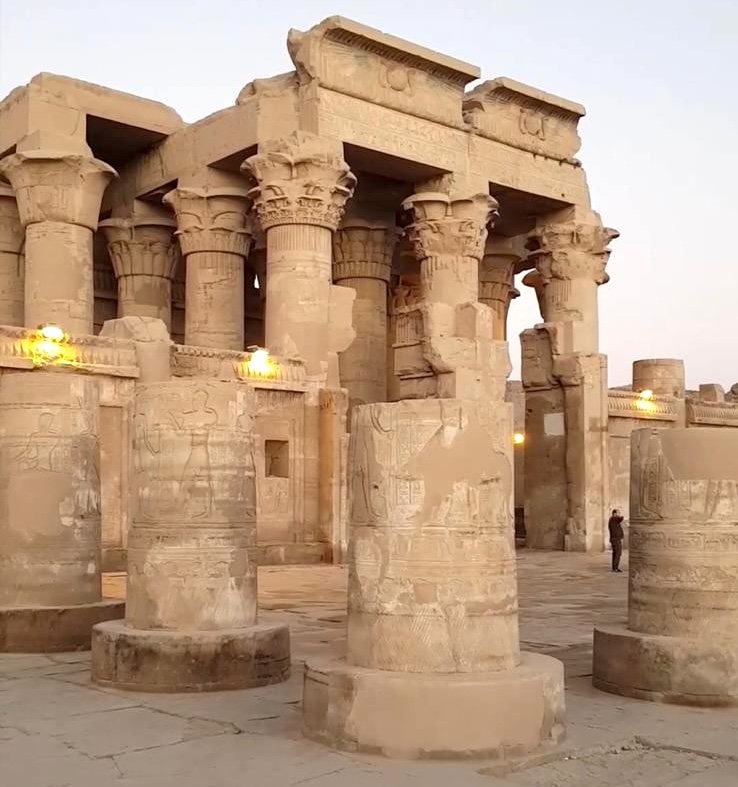
Deities of the temple are Sobek, the crocodile god (south side), and Horus the Elder, the falcon-headed god (north side), reflecting the duality of the temple. The city name Kom Ombo also means “Hill of Gold” or “City of the God,” showing the great significance of the rich cultural values of Egyptian societies.
Specialty of the temple: after the architect, travellers must explore the crocodile museums. It has 300 mummified crocodiles and artifacts related to the Sobek god. The museum helps tourists understand the temple and culture in more depth.
Timings for temple visit: 07:00 AM to 09:00 PM. You can visit the temple throughout the year.
Dendera Temple—Classical Egyptian Architectural Marvel
It is situated on the west banks of the River Nile, around the early 1st century BC, started during the regime of Ptolemy XII, father of Cleopatra, and ended by the Greek-Roman ruler. Colors or final touches were made by the Romans recently. Despite being one of the oldest temples in Egypt, it is included in the list of best-preserved historical monuments.
The temple is dedicated to the goddess Hathor; she is one of the most beloved and worshipped goddesses in the Egyptian culture and religion. It symbolizes music, joy, art, motherhood, fertility, and love. She is one of the deities in Egyptian religious beliefs who accept souls in the afterlife. The place Dendera, because of the goddess Hathor, is seen as a place of celebration rather than fear.
Specialty of the spiritual monument: its preservation. It’s the only temple in Egyptian history that is being best preserved, as details and carvings are still visible, and tourists get an opportunity for a perfect historical getaway.
Timings of the temple visit: explorers can visit the temple between 07:00 AM and 05:00 PM
Travel tip: to explore the temple of Dendera, it’s best for travelers to hire a tour guide, as it will enhance the overall travel experience.
Temple of Hatshepsut—Deir el-Bahari
It is a mortuary temple, dedicated to the god Amun-Ra (the supreme god of the New Kingdom), built by the queen Hatshepsut, one of the few women to rule in Egypt as pharaoh. During her regime, the city is a symbol of peace and prosperity. This complete temple of ancient Egypt is situated in the area named Deir el-Bahari, located on the west bank of Luxor.
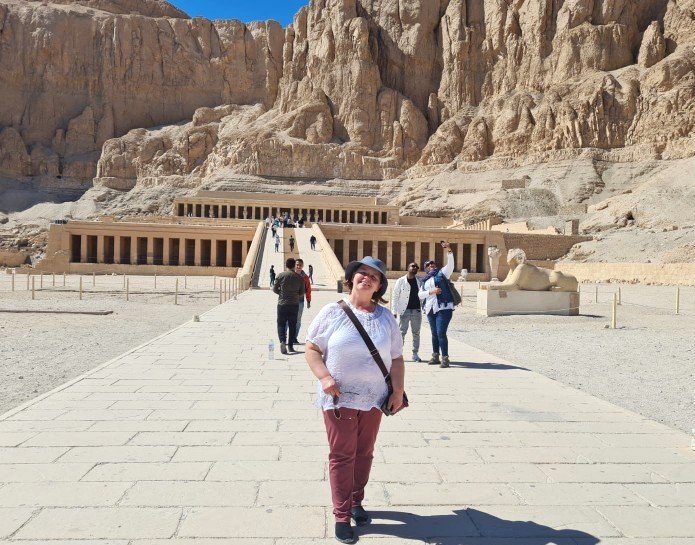
The most beautiful and elegant temple in Egypt was built in 1470 BCE, during the 18th dynasty of the New Kingdom. Unlike the other temples, this monument is designed to complement nature. Graceful structures and pillars feel both monumental and elegant because of their surrounding cliffs.
Specialty of the temple: Its architectural harmony with the natural landscape makes it one of the most beautiful sites in Luxor.
Timings of the temple: 06:00 AM to 05:00 PM
What to wear while visiting the Temple of Hatshepsut?
Modest, lightweight clothing and comfortable walking shoes to explore ramps, terraces, and uneven stone surfaces.
FAQs (Frequently Asked Questions)
Can tourists enter all the ancient temples of Egypt?
Yes, all the ancient temples in Egypt and historical sites are surveyed by experienced Egyptologists, who have declared the sites safe for exploration. So, the tourists in Egypt can visit all the major temples.
When is the best time to explore temples in Egypt?
The deal is early morning; most of the temple opens early in the morning because it is the best time to explore, as during the noon, the sun is at its peak, and long walks during the noon can be a little difficult due to the heat. So, early morning or mid-evening can be the best time for exploration of the historical sites.
Are religious activities still performed in Egyptian temples?
No, the authentic religious activities in Egypt stopped a long time ago. Now all the major temples are only seen as historical monuments, as they are protected by the tourism department of Egypt.
What purpose do temples serve in ancient Egypt?
The temples in ancient Egypt are seen as the homes of the gods, not any regular prayer hall. To preserve culture and the great loyalty of pharaohs for their gods is symbolized through these ancient marvels.
How long should a tourist spend in an Egyptian temple?
From the perspective of an experienced tourist, one requires 1 to 2 hours to explore properly. Larger sites like Karnak can take a little bit of time.
Trusted Partners
Nile Cruisen: Chosen by Leading Brands as Egypt's Top Cruise Operator