Salt lakes of Siwa Oasis and travel experiences of the explorer reviews are booming on the internet everywhere. Let us give you a brief about the Siwa Oasis in Egypt near the Libyan border, which is surrounded by the desert on all sides. Other than pyramids and temples, Siwa Oasis is also a great place for explorers and travelers around the world. From its geography to significance, everything makes it unique; that’s why travelers to Egypt include Siwa Oasis in their itineraries.
Geography of Siwa Oasis
Siwa Oasis is located in Egypt’s Western Desert, close to the Libyan border. Its isolation is one of the main reasons it has preserved its unique identity. Geographically, Siwa is defined by vast sand dunes stretching across the horizon.
What is oasis Meaning?
The Oasis’s simple meaning is a place in a desert area where there is water and plants grow. In Siwa, there are more than 200 natural freshwater springs present, salt lakes with crystal-clear water, palm groves and olive orchards grows, and also some rocky hills rise above green landscapes.
The contrast that attracts the travelers is the golden desert on one side and lush greenery on the other. This natural setting makes Siwa feel untouched by time. The silence of the desert, the softness of the air, and the rhythm of nature create a deeply calming atmosphere rarely found in mainstream destinations. People specially travel to Siwa Oasis for these experiences.
History and legacy of the Siwa Oasis
Siwa is not only beautiful or magical, but also it is historically powerful. The Oasis has been inhabited for thousands of years and holds deep spiritual significance in the context of Egypt and its rich history.
Siwa’s most famous historical connections includes
- The Oracle Temple of Amun, where Alexander the Great once traveled to confirm his divine status. This place is seen as a religiously and politically significant spot in ancient Egypt.
- Ancient people built from salt-rock and mud-brick. The traditional Siwan architecture blends perfectly with nature.
- Oral traditions if Siwans (Berber ethnic group mostly found in Siwa Oasis region in the Western Desert located in Egypt) passed through generations rather than written history
Siwa’s people, the Siwans, have preserved their own language (Amazigh dialect), clothing styles, music, and customs. Unlike many tourist areas shaped by modernization, Siwa still feels culturally intact, and travelers there can also feel the authenticity. Visiting it is like stepping into a living heritage, not a usual man-made museum.
Why Is Siwa Oasis Important to Egypt?
Siwa Oasis holds significance that goes far beyond tourism. Its importance includes a symbol of Egypt’s cultural diversity, one of the best-preserved indigenous communities in the country, and a fragile ecological environment that represents sustainable living. It is also one of the historical sites connected to ancient spirituality and identity. Its natural resource center for olives, dates, and medicinal plants makes it an important ecological element for Egypt.
Siwa also plays an important role in ecotourism promotion and development. It shows how tourism can support local communities without destroying their traditions and cultures, preserving them from the centuries with care and utmost respect. Many Egyptian cultural researchers consider Siwa Oasis a model for balancing heritage and modern growth.
What makes Siwa a hot spot tourist location?
Tourism in Siwa Oasis is not based on luxury accommodations or crowded resorts. It is built on experience, authenticity, and connection.
Key factors that attract travelers to Siwa Oasis
- Untouched natural landscapes—people explore something unique that they have not seen before, like salty lakes in dry deserts.
- A slow-paced life away from noise and city chaos, in the western desert of Egypt, Siwa Oasis offers a peaceful vacation getaway.
- Genuine hospitality from the local community and travelers can connect with the nature with more closeness.
- Eco-living spaces built from mud and salt instead of concrete add a touch of experiencing an authentic desert lifestyle.
- Organic food is grown locally, as no modern or fancy things are promoted there.
- The healing atmosphere created by nature and silence is best for cultural travelers, solo explorers, writers and artists, spiritual seekers, or those who are promoting eco-conscious tourism.
What is the Siwa Oasis famous for?
Siwa offers powerful experiences rather than traditional sightseeing or Nile cruising. Travelers indulge in desert adventure and calm swimming sessions. Major activities are mentioned below.
Some of the most memorable excursions at Siwa Oasis
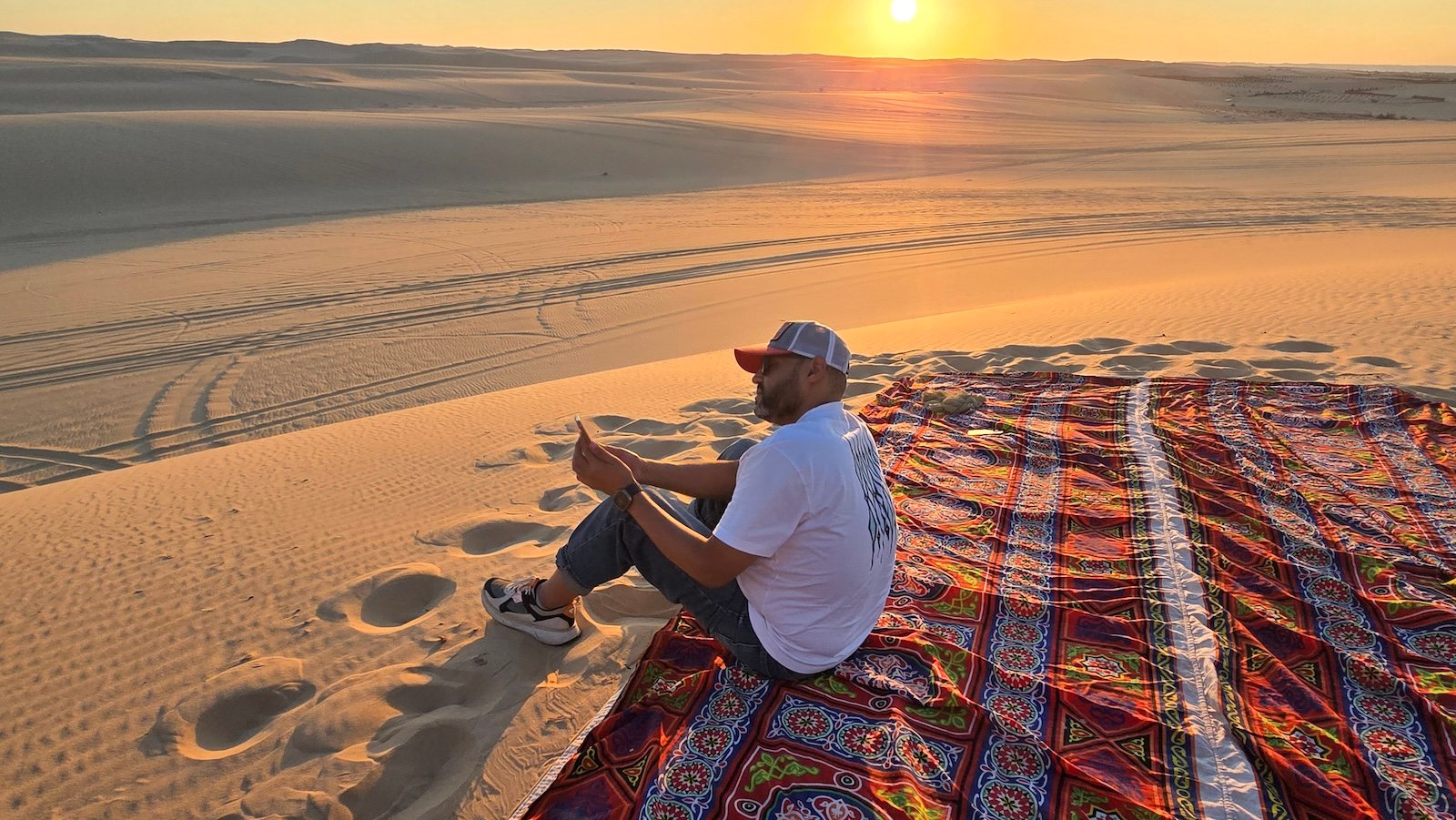
The Great Sand Sea Safari: It is a jeep journey across massive sand dunes where travelers experience sandboarding, desert picnics, and sunsets over endless dunes. The total silence of untouched nature makes the safari ride memorable and is a reason why people love to travel there.
Cleopatra’s Spring: A natural pool fed by freshwater springs where visitors can swim. They also can see a number of locals gather there, as it’s a hotspot location in Siwa Oasis. The atmosphere feels timeless and peaceful, giving fresh vibes and refreshing experiences as you swim in the middle of the desert.
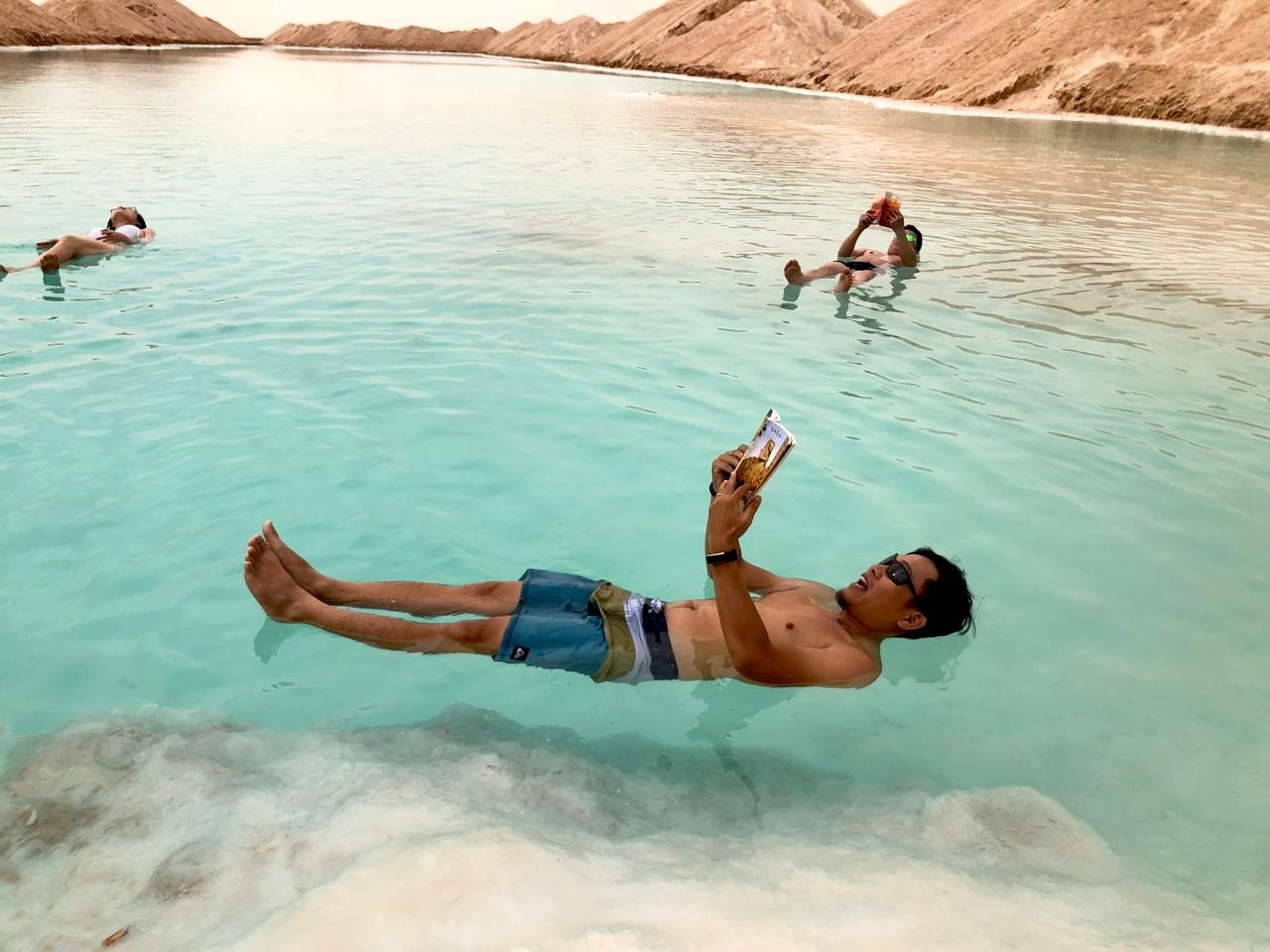
The Salt Lakes: The Siwa Oasis lakes are famous for their intense blue color. It allows Floating effortlessly due to high salt concentration and also has their therapeutic effect on skin and body
Shali Fortress: The ancient heart of Siwa Oasis, built from salt rock, offers panoramic views of the oasis and an insight into traditional architecture. Travelers feel the sense of walking through history. At Siwa Oasis, each excursion is deeply connected to nature, not artificial attractions.
Why Siwa Oasis Is a Must-Try Destination?
Many destinations offer beauty, but very few offer experiences that can be remembered for life. Siwa Oasis is one of them.
- It offers rare peace in a noisy world; the desert sand dunes all around the salty lakes cut off the chaos of cities, and the mind feels peace.
- The visitor reconnects with nature and feels the beauty more closely; a 2-3 day trip to Oasis teaches appreciation for simplicity.
- This place allows cultural learning without performance It feels authentic, not commercial or an artificial adventure created for enjoyment.
- It encourages reflection and mindfulness that gives travelers a sense of emotional depth, not just photographs, but also memories and soulful experiences.
People after leaving Siwa Oasis feel mentally lighter, emotionally calmer, and spiritually refreshed. That kind of impact is rare in modern tourism, but Egypt tours make it possible, whether through an Egypt River cruise or a swim in the Cleopatra spring in Siwa.
Modern Tourism Trends of Siwa Oasis
Siwa is slowly adapting to modern travel trends while trying to protect its identity. Some of the noticeable trends include:
Eco-Tourism Growth: Eco-lodges, or restrooms using solar power only, use natural building materials instead of cement. Organic farming practices are used for growing food and promote sustainable water usage. It is a perfect place for eco-friendly travelers or nature lovers.
Wellness and Healing Tourism: Travelers now visit Siwa for digital detox retreats, yoga in the desert, meditation experiences, and natural therapies using salt, sand, and spring water. All these activities don’t just relax the mind but also help in calming the mental state.
the mind
Cultural Immersion Travel: Instead of rushed sightseeing, visitors here experience cooking with local families, learn about Siwan crafts, wear traditional clothes, and also listen to the stories by experienced and elder tourist guides.
FAQs
- Is Siwa Oasis safe for solo travelers?
Yes, Siwa is considered one of the safest places in Egypt for solo travelers. The community is small and close-knit, and locals are generally helpful and respectful toward visitors. But still, it is advised to travel with a proper tour guide, as foreigners may face lingual or communication issues with the locals.
- How many days are enough to explore Siwa properly?
An itinerary of 3 to 4 days in and around is ideal. This allows time for desert safari, visiting salt lakes and springs, exploring historical sites, and enjoying slow, relaxed evenings without rushing. Many travel agents, like Nile Cruisen offers well-curated plans for Siwa Oasis that make exploring easy and effortless.
- Can I use mobile internet and digital payments in Siwa?
Mobile internet works in most areas, but the connection can be slow, as the whole area is covered with desert. Cash is still preferred in local markets and small hotels, so it’s best to carry enough Egyptian pounds.
- When to visit Siwa Oasis?
The best time to visit Siwa Oasis is between October and March, when the weather is cool and comfortable for desert activities and for the overall Egypt tour. Summers can be extremely hot and difficult for sightseeing, as the desert feels hotter in the peak hot season.
- Will I get vegetarian or special diet food options in Siwa?
Yes, most meals in Siwa are based on vegetables, olives, dates, rice, and bread; that’s what locals usually eat. Many eco-lodges or restaurants happily prepare vegetarian meals if you inform them in advance, or if you are travelling with a dedicated tour partner, they can guide you to vegetarian food options or can tell you about its availability in advance.
- How to get to Siwa Oasis?
Reaching the Siwa Oasis in Egypt is easier than you think. From Cairo, the capital of Egypt, you can easily get tourist transport buses that drop you at Siwa Oasis. If you have taken travel packages from a tour company, then you may be able to get private or group vehicles as well.
The Egypt tour package includes a visit to Siwa oasis
5-day tour of Cairo and a Siwa Oasis
Start from
$476 / U$D
A 10-Day Egyptian Itinerary: Cairo, Nile Cruise & Siwa Oasis
Start from
$1299 / U$D
Trusted Partners
Nile Cruisen: Chosen by Leading Brands as Egypt's Top Cruise Operator