 Nile Cruisen Team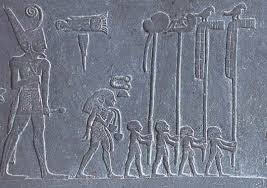
Summary
-
The Narmer Palette was made around 3100 BCE, and, under King Narmer, Egypt was becoming one unified kingdom.
-
The Palette shows that Narmer united upper and lower Egypt, which marked the beginning of Egypt’s early dynastic period.
-
It is one of the earliest examples of hieroglyphic writing, helping us to understand how writing in Egypt started.
-
The carvings demonstrate Narmer as a divine and powerful ruler, often connected to gods like Hathor and Horus.
-
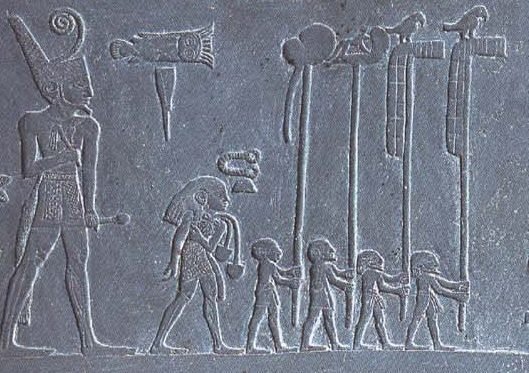
The images (like the king defeating enemies and wearing different crowns) show his control over the whole country.
-
It may have been used in religious rituals or for preparing cosmetics, but its primary value is symbolic.
-
Overall, it provides an insight into early Egyptian politics, art, religion, and identity.
Because it worships the king and his achievements, it’s often known as one of the earliest forms of political propaganda. Now, you will get detailed information Narmer Palette from this blog. Let’s get started
What is the Narmer Palette made of?
You might be wondering: What material is the Narmer Palette made of? The Narmer Palette is made from a single slab of dark green-grey siltstone. Sometimes, many people confuse this material with slate or schist in earlier studies.
What does the palette of Narmer represent?
The Narmer Palette is a ceremonial cosmetic palette. The British archaeologists James Quibell and Fredrick Green found this ceremonial object in 1897-1898 in a temple dedicated to Horus at Nekhen. The engravings on the palette show King Narmer (the ruler of Upper Egypt) defeating the rulers of Lower Egypt. This scene likely shows the unification of Egypt into a single kingdom under his reign. The palette also has some of the earliest examples of hieroglyphic writing, making it very crucial for understanding the beginnings of written history. Because it has important historical event – the conquest and unification of Egypt – it is described as the “first historical document in the world”.
What is the iconography of the Narmer Palette?
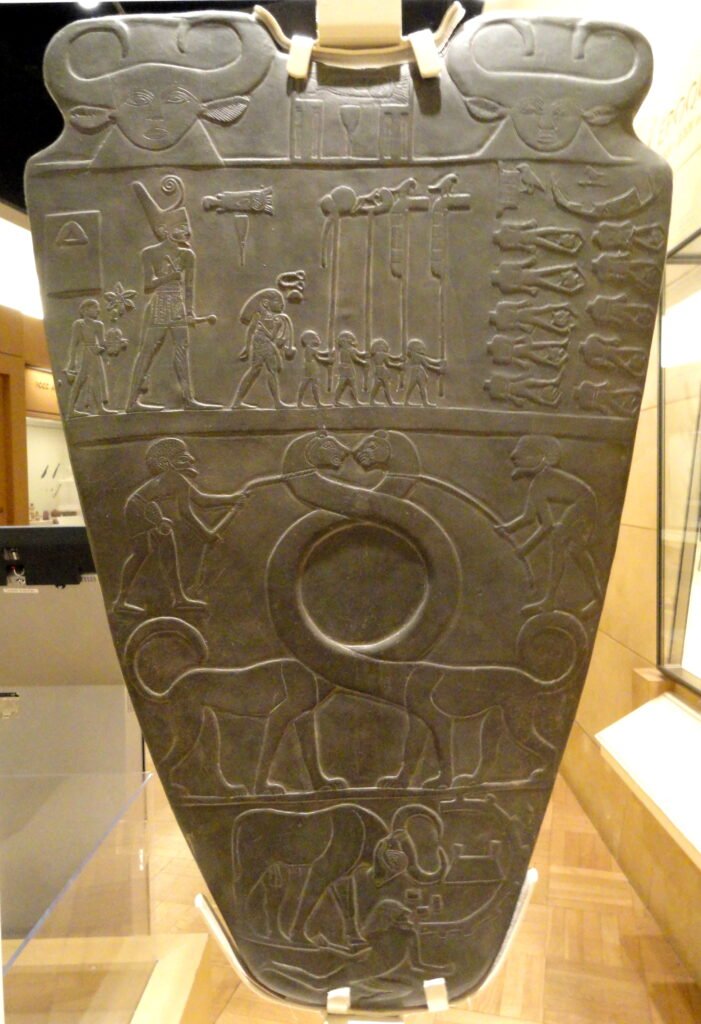
The Narmer Palette has complex iconography showing the unification of Upper and Lower Egypt by King Narmer. It demonstrates divine and political symbols, including Narmer wearing the crowns of both regions, smiting foes, the falcon god Horus, serpopards with intertwined necks, and the goddess Hathor.
What is the purpose of the Narmer Palette?
The main purpose of the Narmer Palette was a ritual and ceremonial object that was used for religious ceremonies, royal celebrations, and as a symbol for Narmer’s power and authority. It was refined to become an accurately carved palette equipped with elaborate carvings dedicated to a temple and shrine that acts as a symbol of Menes’s authority and power, and offerings to the gods to maintain the principles of maat, and to remember or celebrate the unification of Egypt and the achievements of King Narmer.
When was the Narmer Palette created?
The Narmer Palette was created around 3200-3000 BC (Circa). By the time the Palette was created, these artistic conventions were already well-developed, suggesting that Egyptian art had reached a mature style very early in its history.
What are the symbols on the Narmer Palette?
There’s a name of the king written at the top of both sides of the palette within a serekh, which is an early form of a cartouche. King’s name is written using the symbols for a catfish (“Nar”) and a chisel (“mer”) that were combined to create the name “Narmer”.
There are hieroglyphs on one side of the Palette that show Narmer’s victory over his enemies by cutting off their heads. The picture of the enemies who have fallen with their heads between their legs shows that they have lost completely. There are also other hieroglyphs on the palette that go along with the story, like symbols for gods and places. The early use of these hieroglyphs shows how written language started in ancient Egypt and how it was used in royal propaganda.
Where is the Narmer Palette currently located?
Currently, the Narmer Palette is located in the Egyptian Museum in Cairo. It is considered one of the most important artifacts. Visitors can see the palette when entering the museum.
What are the inventory number and the identification number of the Narmer Palette?
The inventory number of the palette is JE 32169, and its former identification number is CG 14716.
Final Thoughts
From this blog, you have gained knowledge and information about the Palette of Narmer. If you love reading informative blogs on Egyptian history, temples, tombs, and personalities, keep reading our blogs. Despite this, if you are interested in visiting Egypt’s popular destination along the Nile River, you can book a Dahabiya Nile Cruise with Nile Cruisen to enjoy exploring Egypt while maintaining privacy and having a luxurious experience. You can either contact us or fill out the online form on our website.

This article was created by the team at Nile Cruisen, one of the best tour operators in Egypt for Nile cruises and tailor-made Egypt tours.
With years of experience sailing between Luxor and Aswan, our team knows the Nile better than anyone.
We share trusted travel advice, from the best time to visit and what to pack to simple tips for avoiding crowds.
Our goal is to help you enjoy the timeless beauty of Egypt with comfort, confidence, and an unforgettable travel experience.
- Nile Cruisen Team

- Nile Cruisen Team

- Nile Cruisen Team

- Nile Cruisen Team