Who is Nut, the Egyptian god, and what is its importance?
Table of Contents
-
Introduction
-
Who is Nut in Egyptian mythology?
-
Who gave birth to Nut and Geb?
-
Who is Nut to Ra?
-
How was Nut depicted in ancient Egyptian art?
-
How to pronounce “Nut,” the Egyptian god?
-
Who are the 5 children of Nut?
-
Five children of the Nut are:
-
What are the symbols associated with Nut in Egyptian mythology?
-
Conclusion
Introduction
Nut is one of the most significant deities in Egyptian mythology, known as the goddess of the sky, stars, and heaven. She represented the sky, which is believed to protect the celestial settings and cycles of the universe. In ancient mythology, Nut is symbolized as the cosmic mother who embraces motherhood.
Egyptian mythology is so fascinating; every deity is somehow related to nature in different forms. So, if you are someone who has a keen interest in the mythology of ancient Egypt, then in this blog, we are going to tell you about a member of the Ennead, a mother goddess, Nut, known for her role in the celestial cycles, as she is associated with night and stars.
Who is Nut in Egyptian mythology?
Nut, primarily in Egyptian mythology, is considered the sky goddess, who forms a vault above the earth. In some myths, she is seen stretching her body while the earth lies in it. Her roles include protecting cosmic energies and overseeing the cycle of day and night. One more common mythological story around Nut says that Ra was born every night from Nut’s body at dawn, which signifies renewal.
Who gave birth to Nut and Geb?
According to the mythology, Nut and Geb, daughter and son of Shu (air) and Tefnut (moisture), were separated by their father on the orders of the supreme god, Ra. Together, both Nut and Geb represent sky and earth, which form the ultimate cosmic pair in ancient Egyptian mythology. The separation by Shu (air) represents the cosmic order in which the world can exist. Both are major deities with different specific responsibilities, which contribute to the smooth functioning of the universe.
Who is Nut to Ra?
Nut shares a close relationship with the powerful deity Ra. In Egyptian mythology, a famous story is related to Ra and Nut. People thought that Ra would go into Nut’s mouth every night as the sun went down. The sun moved through her body across the sky at night. Nut gave birth to the sun again at dawn, which started a new day. This daily cycle stood for death and rebirth, which is a key idea in Egyptian religion.
The nut was very important in keeping the cosmic rhythm of day and night. It is a common mythological story that signifies the role of Nut. Also, in some paintings, Nut is arching her body around Earth, and the sun is seen traveling through her body. This is a common belief of ancient Egypt; people worship goddesses for rain and to maintain cosmic balance.
How was Nut depicted in ancient Egyptian art?
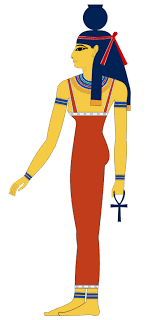
In Egyptian art, Nut is depicted as a woman; in some paintings, she is seen as a naked woman whose body is covered with stars. The famous depiction of the nut shows her arching her body over the Earth and other elements that form the sky. In that painting, it is seen that Shu is standing between lifting the goddess Nut.
Sometimes in Egyptian art, Nut was seen swallowing the sun and making it reborn at the time of sunrise. In later dynasties, the painting of Nut starts to appear on coffin lids and tombs. In the Valley of Kings, which travelers explore during the Nile cruise in Egypt, Nut was depicted in the Tomb of Ramses IV (KV2); also, ceiling paintings in the Temple of Hathor (Dendera) describe the goddess Nut. These artistic depictions also emphasize his role as a cosmic protector and source of rebirth.
How to pronounce “Nut,” the Egyptian god?
The pronunciation of the nut is “nuht” or “nut,” which closely rhymes with “cut” or “shut.” It has an easy pronunciation and also a sound of “t” at the end.
Who are the 5 children of Nut?
The nut is known for giving birth to five children, who later became the 5 major deities in Egyptian mythology. A popular myth related to the birth of the children is that these gods were both on 5 extra days of the calendar, which were added to the calendar by the god of wisdom and knowledge, Thoth, as Nut was forbidden to give birth in the normal year.
Five children of the Nut are:
Osiris: He is the god of resurrection and ruler of the underworld and the afterlife.
Isis: The goddess of magic, healing, and motherhood, who later became a prominent goddess to be worshipped by the Egyptians.
Set: The god associated with chaos, desert storms, and conflict with Osiris.
Nephthys: The goddess connected with mourning and the protection of the dead.
Horus the Elder: An early sky deity sometimes distinguished from Horus the child, who defeated Set after he defeated his father, Osiris. In this mythological story, the famous Edfu temple was built, which is also visited by the explorers during the Nile cruise from Luxor, while on the cruising journey between Aswan and Luxor.
What are the symbols associated with Nut in Egyptian mythology?
- The most common symbol by which the goddess Nut was associated was the cosmos, which signifies her importance.
- Then there are the stars, which represent night and celestial bodies that are part of the cosmic balance.
- She is often depicted on tombs and coffin covers, as she also symbolizes protection in eternal life.
- In some parts, the goddess Nut is also depicted as a cow in the paintings.
Conclusion
Nut is the part of the Egyptian cosmic circle of day and night, closely related to the creator god Ra. Her mythology explains the natural phenomenon of the movement of the sun, or day and night, which the ancient Egyptians believed in. To see the hieroglyphics or paintings of goddess Nut, book your Egypt river cruise and travel along the Nile, where you will discover historical places like the Valley of the Kings. Here you can see the paintings; also, in this tour, you can explore the Philae temple, which is dedicated to the goddess Isis, who is the daughter of Nut. So, see the remains of Egyptian mythology while on the trip to Egypt.
Other Useful Links
What is the Egyptian god Thoth known for?
Your Ultimate All-Inclusive Nile Cruise Experience Awaits

12-Day Egypt Itinerary: Cairo, Nile Cruise & Marsa Alam
Start from
$1479 / U$D
5-day Nile Cruise and Cairo Trip
Start from
$799 / U$D
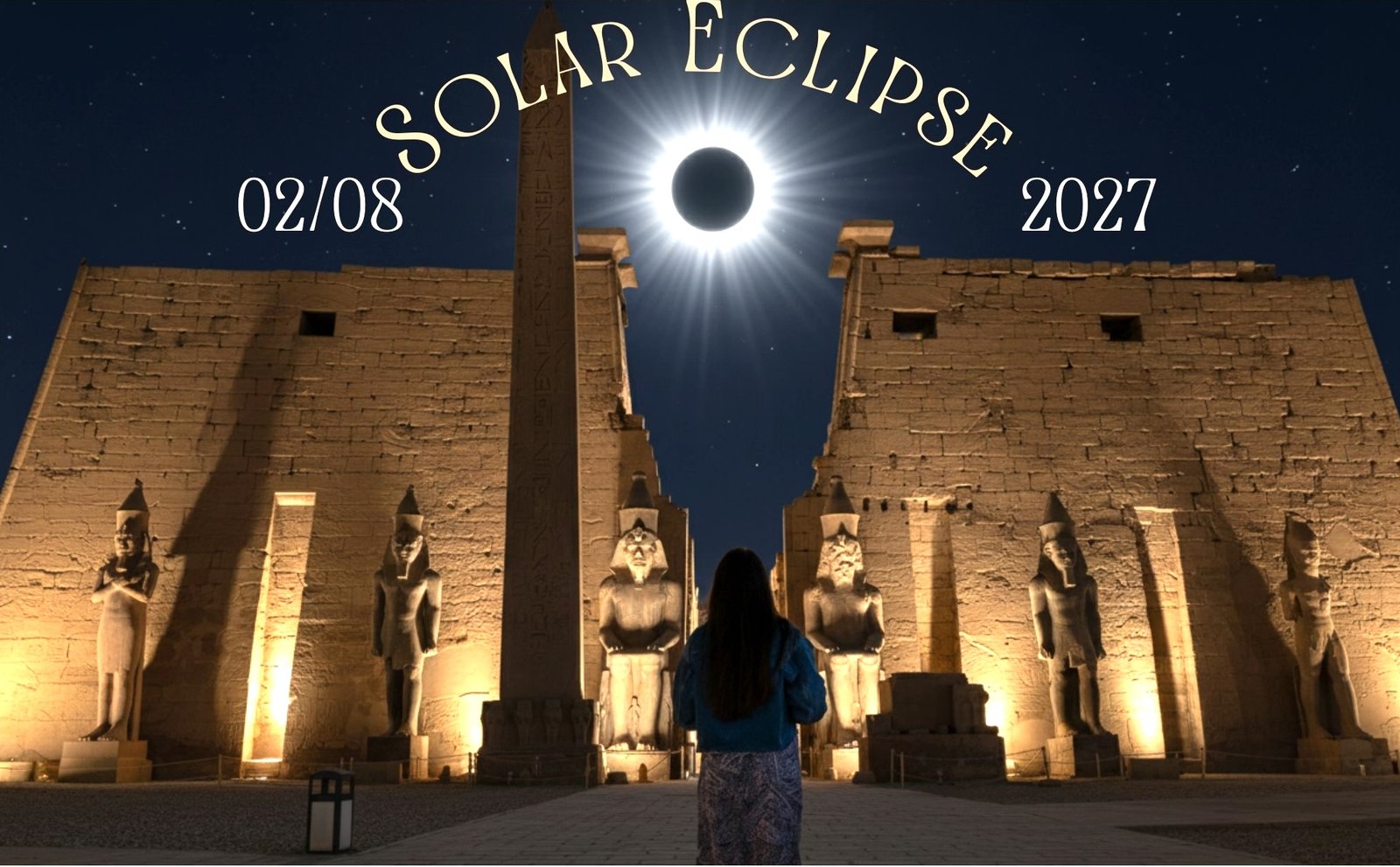
2027 Total Solar Eclipse Tour: Nile Cruise & Luxor
Start from
$1049 / U$D
Trusted Partners
Nile Cruisen: Chosen by Leading Brands as Egypt's Top Cruise Operator