 Nile Cruisen Team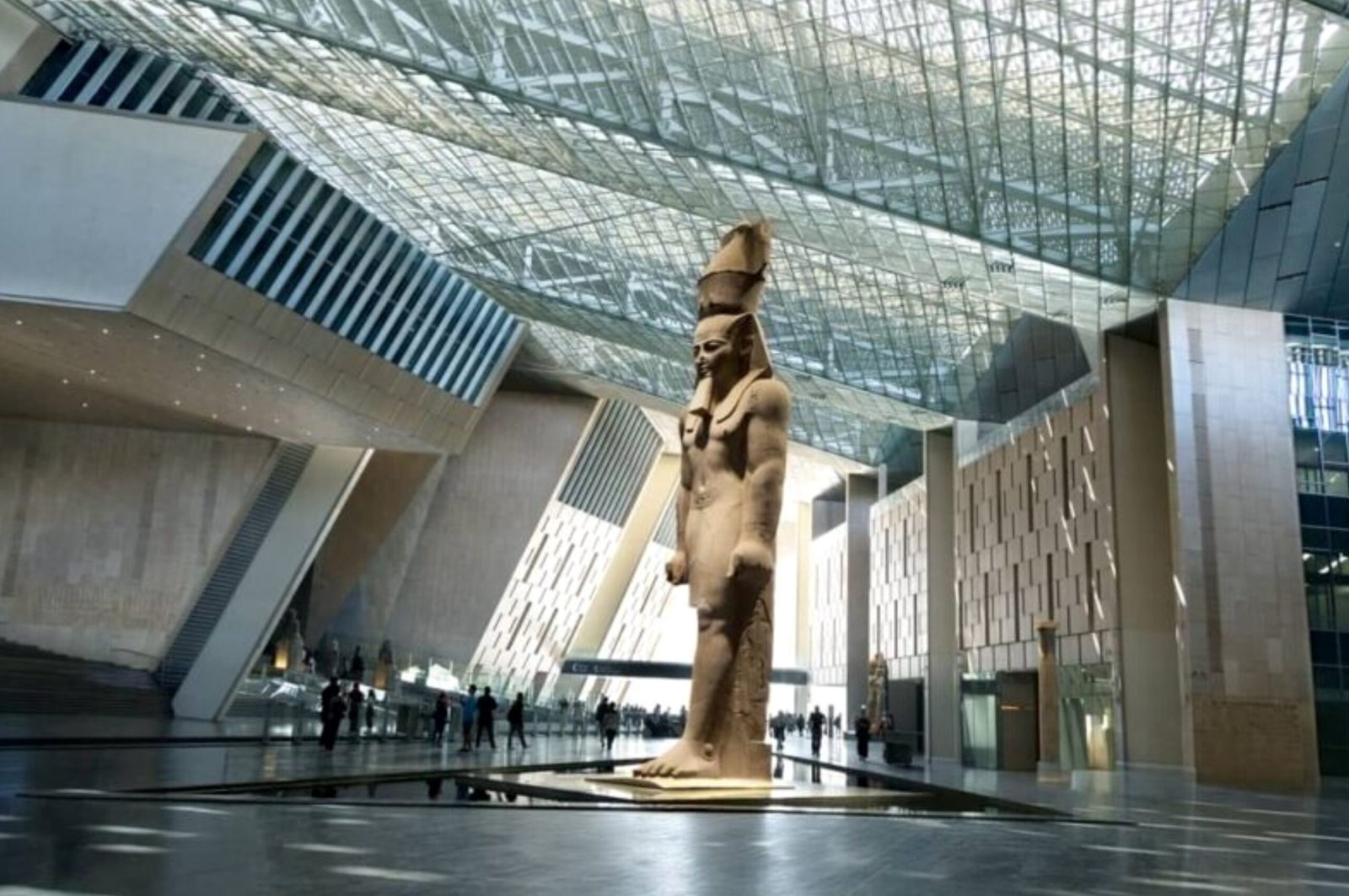
The Egyptian Minister of Tourism and Antiquities inaugurated a solar energy station at the Grand Egyptian Museum, and the opening was witnessed by Chitose Noguchi, Resident Representative of the United Nations Development Program (UNDP), the CEO of the Grand Egyptian Museum Authority, the Ambassador of the State of Japan in Cairo, the Head of the Environmental Affairs Agency in Egypt, and the Head of the New and Renewable Energy Authority, in addition to a number of partners concerned with environment and development and the private sector participating in the implementation of the project.
Grand Egyptian Museum Leads Egypt’s Transition to Sustainable Cultural Tourism
This project also comes in the context of the Egyptian state’s efforts to enhance reliance on renewable energy sources, as the Grand Egyptian Museum is an integrated model that combines the preservation of human heritage and the adoption of the latest sustainable environmental practices.
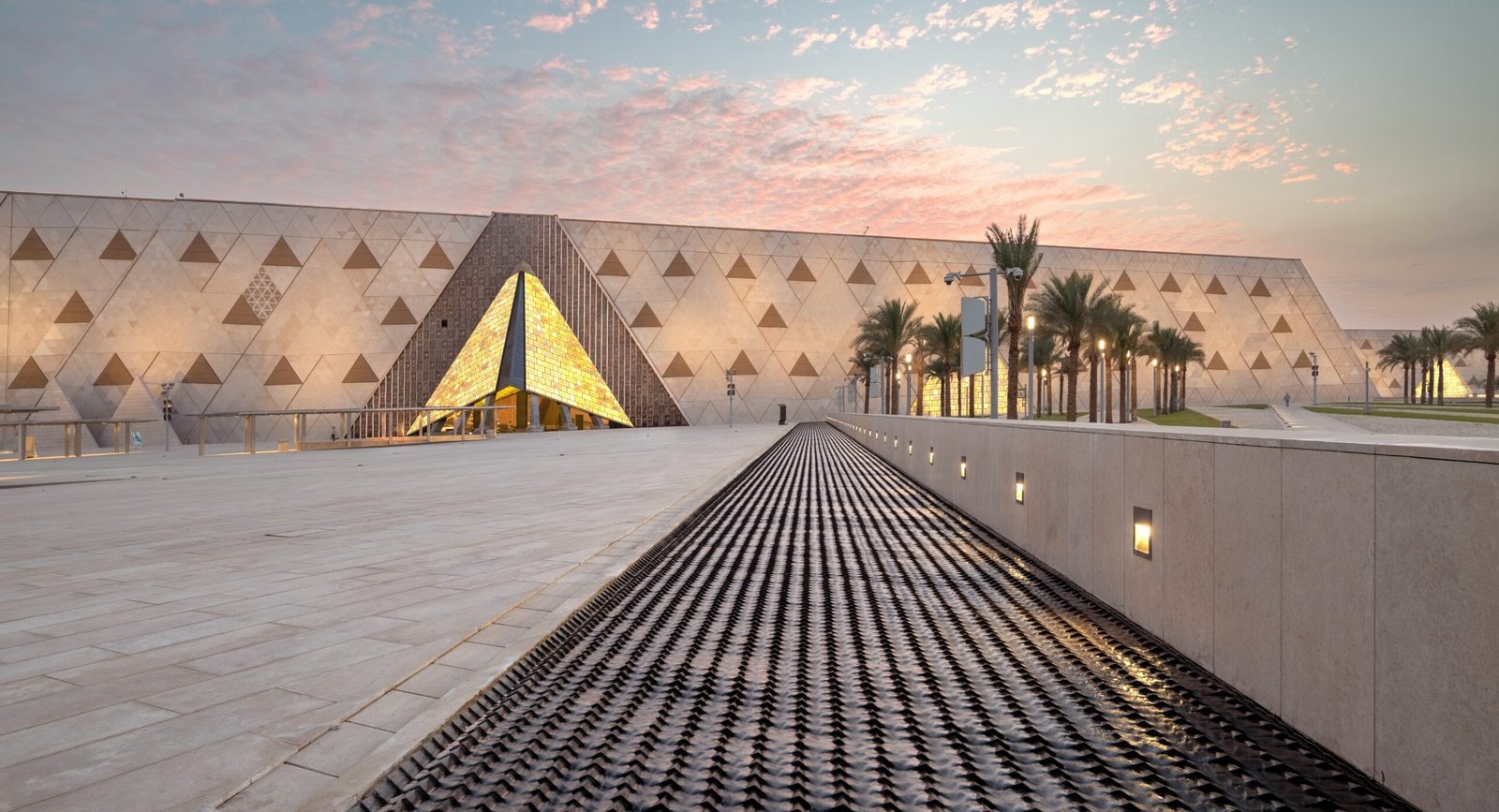
The project includes installing solar cells on the side wall of the museum, in addition to applying integrated cell technology with the buildings in the Sun Boat Museum, with a production capacity of 200 kilowatts, with support from the Japanese government and the United Nations Development Program (UNDP), which contributes to covering about 12% of the museum’s total electricity consumption.
Work is also underway to implement an additional solar energy plant, bringing the total production capacity to about 1 megawatt, in a step that enhances operating efficiency and supports the transition towards clean energy. This solar station represents a practical model for integrating heritage with innovation to achieve sustainable development goals, especially in the fields of clean energy and climate action. Increasing the capabilities of the solar station at the museum reflects a commitment to enhancing sustainability and expanding the use of renewable energy sources.
This project is part of a broader vision to transform the museum into a “green museum,” where sustainability is applied from design and construction through daily operations and management, using practices that ensure the continuity of the positive archaeological impact of this great edifice.
The museum administration will also prepare an annual carbon footprint report, through which emissions resulting from various activities will be measured and monitored, ensuring continuous improvement of environmental performance and enhancing commitment to international standards of sustainability.
This project reflects the Grand Egyptian Museum’s commitment to its role as a global cultural institution that not only displays history but also contributes to shaping a more sustainable future by integrating environmental innovation into its operational system and providing a role model for cultural institutions at the regional and international levels.
Grand Egyptian Museum Becomes Africa’s First Green Museum Powered by Solar Energy
The project is not limited to being a renewable energy station, but rather represents a pioneering model for the convergence of culture, environment, and development in one path, stressing that the Grand Egyptian Museum has become a platform for applying the best environmental practices, which qualifies it to be the first environmentally friendly “green” museum in Africa and the Middle East.
The project is also consistent with Egypt’s Vision 2030, which places the environmental dimension at the heart of the development process and promotes the shift towards a green economy and the ability to adapt to the effects of climate change. It also reinforces Egypt’s commitment to its international pledges within the framework of the United Nations Framework Convention on Climate Change, and its continued endeavor to enhance climate action at the national and regional levels.
The preparation team at Nile Cruise believes that the inauguration of the solar energy station today at the Grand Egyptian Museum is a new step towards enhancing its sustainability and enhancing the green museum system.
This project represents the Egyptian state’s commitment towards the transition to clean energy and promoting environmental sustainability, pointing out that the implementation of this project in the Grand Egyptian Museum comes to link originality and modernity.
This station generates about 168 thousand kilowatt-hours of clean energy annually, and contributes to reducing carbon dioxide emissions by about 79 tons annually, reflecting a direct environmental and economic return.
Prepared by Nile Cruisen, News Team