 Nile Cruisen Team
 In Egypt, Sham El-Nessim is a public holiday and non-religious festival that has been celebrated since the third dynasty of the Old Kingdom. In 2026, it is falling just after Easter Sunday on 13 April 2026; it marks the beginning of spring in Egypt and signifies the renewal and changing of seasons. Egyptians from all backgrounds celebrate the festival with so much enthusiasm and follow the traditional customs.
It’s a modern way of connecting with the cultural heritage of Egypt, including worshipping deities and offering special meals. It falls after Easter Sunday, and the date changes every year. Today, the new generation of Egypt sees it as a cultural festival that connects modern Egyptian society to the ancient heritage.
Sham El-Nessim—Origin & Historical Significance
The origin of the festival dates back to the Pharaonic era, which was 4,000 years ago. In early times, Egyptians called the festival “Shemu,” marking the beginning of the harvest season that brings prosperity and happiness as crops grow. In ancient times, the festival was connected with fertility, agricultural renewal, and the rebirth of nature after winter. The ancient inscriptions show that “Shemu” is related to the sun and the cycle of seasons that shaped the Egyptian civilization.
Over centuries, Sham El-Nessim was celebrated continuously, even in the Greek and Roman periods; during these times, the festival was linked with the Coptic Orthodox Church. Every tradition remains the same even when Egypt is influenced by outside cultures. Then, with the rise of Islam in Egypt, the festival continues to be celebrated not as a strict religious one but as a cultural event that complements the nature and season change. Sham El-Nessim is one cultural tradition that has survived several dynasties and civilizations yet has retained its essence, which makes it a significant part of Egyptian culture.
Sham El-Nessim is a festival that is closely related to food; here is a list of the major foods that are served and eaten during the celebration.
List of Traditional Foods Associated with Sham El-Nessim
Salted Fish
It is the famous and prominent dish eaten during the celebration, most commonly known as “feseekh.” The dish is prepared with fermented and salted fish, which is made using traditional fermentation techniques. This tradition of preserving fish dates back to the ancient Egyptians and depicts their values and respect towards food.
Coloured Eggs
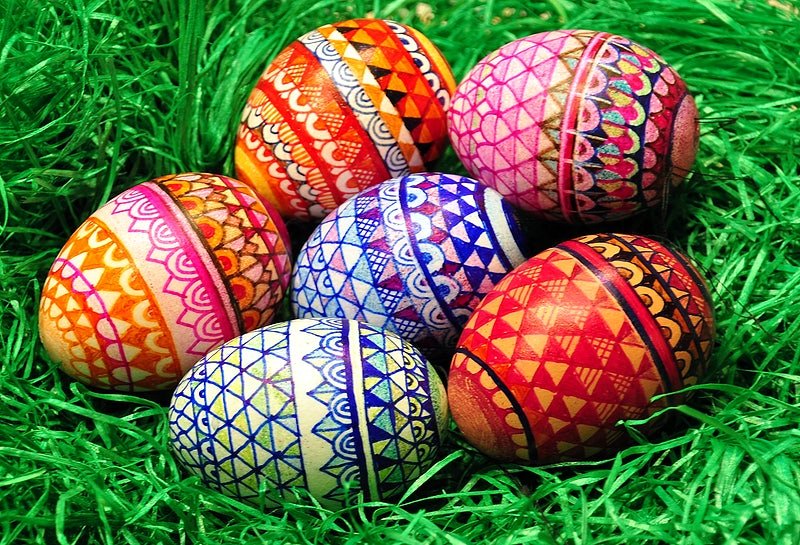
Families decorate eggs with colors; it is a major part of the celebration. Here, eggs symbolize the rebirth and life cycle, which also reflects the spring renewal. This tradition has been part of this festival for centuries; children enjoy it fully.
Green Onions & Lettuce
With veggies, the fresh onion and lettuce are served especially during feasts on Sham El-Nessim. These foods depict fertility, health, and the return of agricultural balance with the beginning of spring.
How do modern Egyptians celebrate Sham El-Nessim?
The festival has a deep connection with Egyptian history, but here we are mentioning how the modern Egyptians respect traditions with enjoyment and enthusiasm.
Outdoor Gatherings: Most of the family spends time at open spaces like parks and gardens, organizes a perfect picnic, feels the breeze, and spends time with family and friends. Also, get into group activities, which make families feel connected.
Family Picnics: The families prepare meals, including fish and egg dishes, and all relatives have food together in the open spaces. The picnicking reflects the ancient tradition of enjoying events in the open with loved ones.
Community Activities: Schools and public organizations hold competitions for egg decoration, and local communities organize small cultural events. The festival is celebrated with groups and families, which reflects the happiness and inclusivity.
Tourism & Sham El-Nessim
During the Easter month and around Sham El-Nessim, a large number of international tourists arrive in Egypt every year. The vibe of the state becomes unmatchable, as streets feel lively and magical, and offer a great opportunity to witness the true Egyptian culture. Travelers mostly visit Cairo and Alexandria during Sham El-Nessim to experience outdoor gatherings and a festive atmosphere, and also savor traditional flavors at cafes and restaurants. Tourists appreciate seeing how a festival brings individuals together and how ancient traditions are blending with the contemporary everyday life in Egypt.
Conclusion
Despite the modernization, this spring festival depicts the true nature of spring’s arrival and offers exclusive cultural exploration. If you have never been to Egypt, it’s a suggestion to explore during Easter and Sham El Nessim; you will love the vibe and festive environment of the streets and cafes. Taking a Nile cruise in Egypt during this time is also beneficial, as one can feel the fresh spring breeze over the Nile River from the decks.
Book your Easter trips and Nile cruise with us to stay updated about travel in Egypt. Follow us.
Check out our other articles as well, and continue learning about Egypt and traditions in a unique way.