 Nile Cruisen Team
By: Menna Hassan
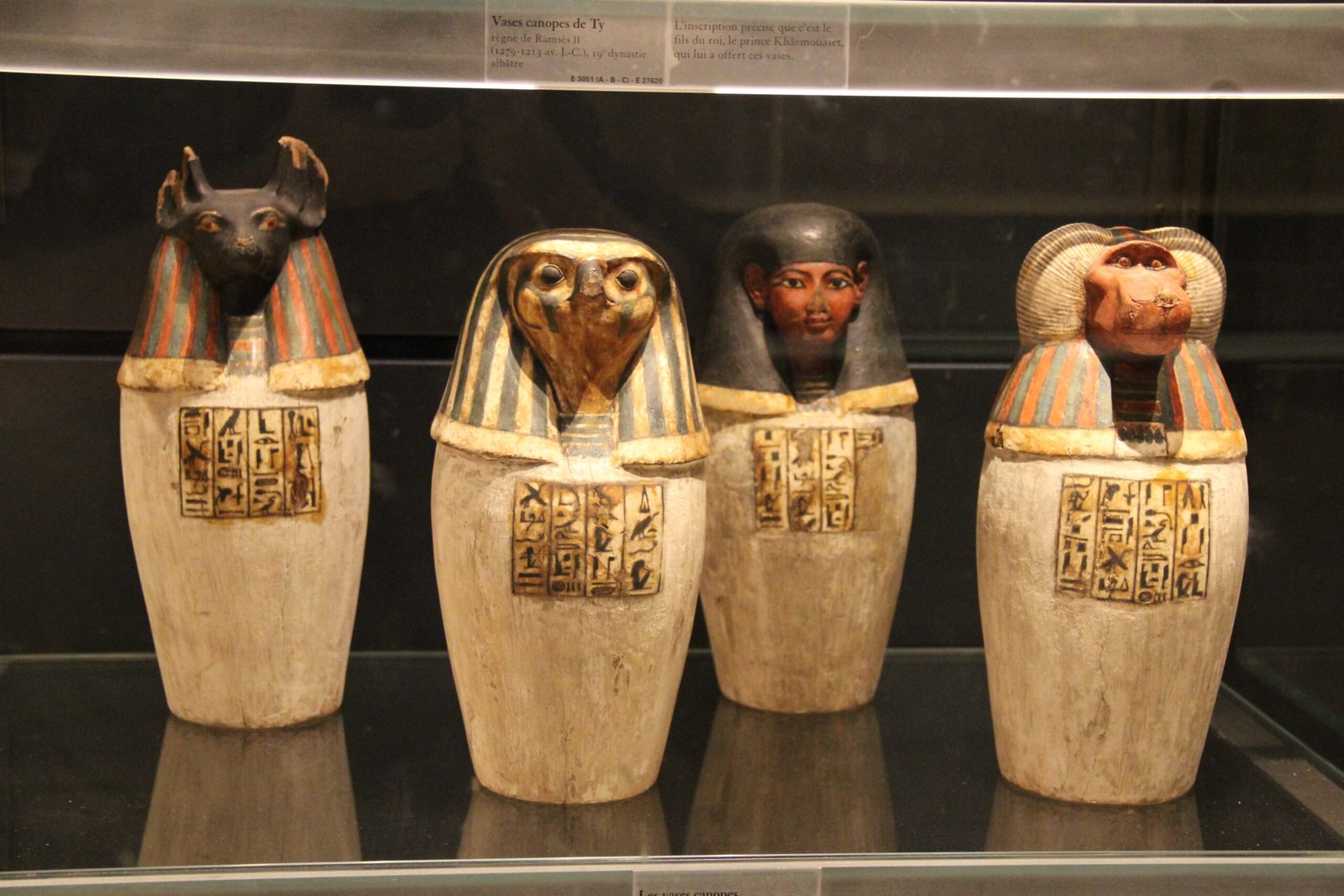
The Supreme Council of Antiquities in Egypt announced the completion of development work on the Cache Hall at the Luxor Museum, in preparation for its imminent opening. The Luxor cache includes a distinguished collection of royal and divine statues, along with other artifacts that reflect the development of ancient Egyptian art across different eras.
The Minister of Tourism and Antiquities of Egypt confirmed that this project comes within the ministry’s strategy aimed at modernizing museum display methods and providing an integrated cultural tourism experience for visitors, noting that the cache hall will present an advanced model in displaying artifacts through a realistic simulation of the moment the cache was discovered.
For his part, the Secretary General of the Supreme Council of Antiquities, explained that the importance of the project lies in the fact that it is the first time that the entire cache of Luxor Temple will be displayed inside its hall in the museum, which includes 26 various archaeological pieces, to modernize the museum display and enhance the visitor’s experience, by presenting the pieces in a visual context that simulates the moment of their discovery and their historical circumstances, giving the visitor an integrated cognitive and visual experience.
In the same context, the Head of the Projects and Restoration Sector at the Supreme Council of Antiquities, said that the development project included implementing several construction works inside the hall, including removing the old marble floors and cabinets and replacing them with marble, and creating a new ceiling of gypsum boards with an arched design, in addition to replacing part of the stairs with a ramp to facilitate the movement of visitors, replacing the wooden cladding with natural stone partitions, as well as adding two display windows at the entrance to the hall.
The Head of the Museums Sector at the Supreme Council of Antiquities, explained that the development work included preparing an integrated museum display scenario developed by the Supreme Committee headed by Dr. Ali Omar to highlight the historical and artistic value of the artifacts, and reflect the context of the discovery of the cache, in addition to introducing artistic elements inside the hall that simulate the scene of discovery.
Dr. Mahmoud Mabrouk, a member of the Museum Display Scenario Committee, indicated that the number of displayed pieces has been increased to 26 pieces instead of 17 pieces, by adding new pieces and redistributing some of them to highlight them better, in addition to completing the cobra statue and restoring several pieces, while providing the hall with modern display bases, information panels, a specialized lighting system, and interactive display screens.
It is noteworthy that the Luxor Cache was uncovered in 1989 during soil examination work in the courtyard of King Amenhotep III in the Luxor Temple, where by chance, a deep hole was found under the floor of the courtyard containing a group of royal and divine statues dating back to the period from the 18th Dynasty to the 25th Dynasty. It was uncovered by a mission from the Egyptian Antiquities Authority headed by Dr. Muhammad Al-Saghir, where the pieces were carefully documented and restored before they were transferred to safe preservation places.
Coinciding with the approaching opening of the Cache Hall, the development of the museum’s explanatory cards has been completed, new cards have been prepared, and work is underway to install them inside the two display galleries. This development comes within the framework of the keenness to improve museum display methods, which contributes to providing a distinct, clearer and more attractive tourist experience for visitors, as well as keeping pace with the standards followed in major international museums in terms of accuracy of information and ease of presentation.
The Scientific Office in the Minister’s Office, headed by Dr. Hoda Khalifa, prepared and wrote the scientific material for the cards, relying on the latest scientific references and specialized catalogs, in addition to consulting the museum’s records, in cooperation with the museum’s trustees, to ensure the accuracy of the information presented. The display cards were also drafted in a modern museum style that takes into account the clarity of the content and the ease of presenting it to visitors.
The identification cards of the various antiquities museums across the Republic will be developed and updated successively, as part of the efforts of the Supreme Council of Antiquities to modernize and develop the museum display system.