 Nile Cruisen Team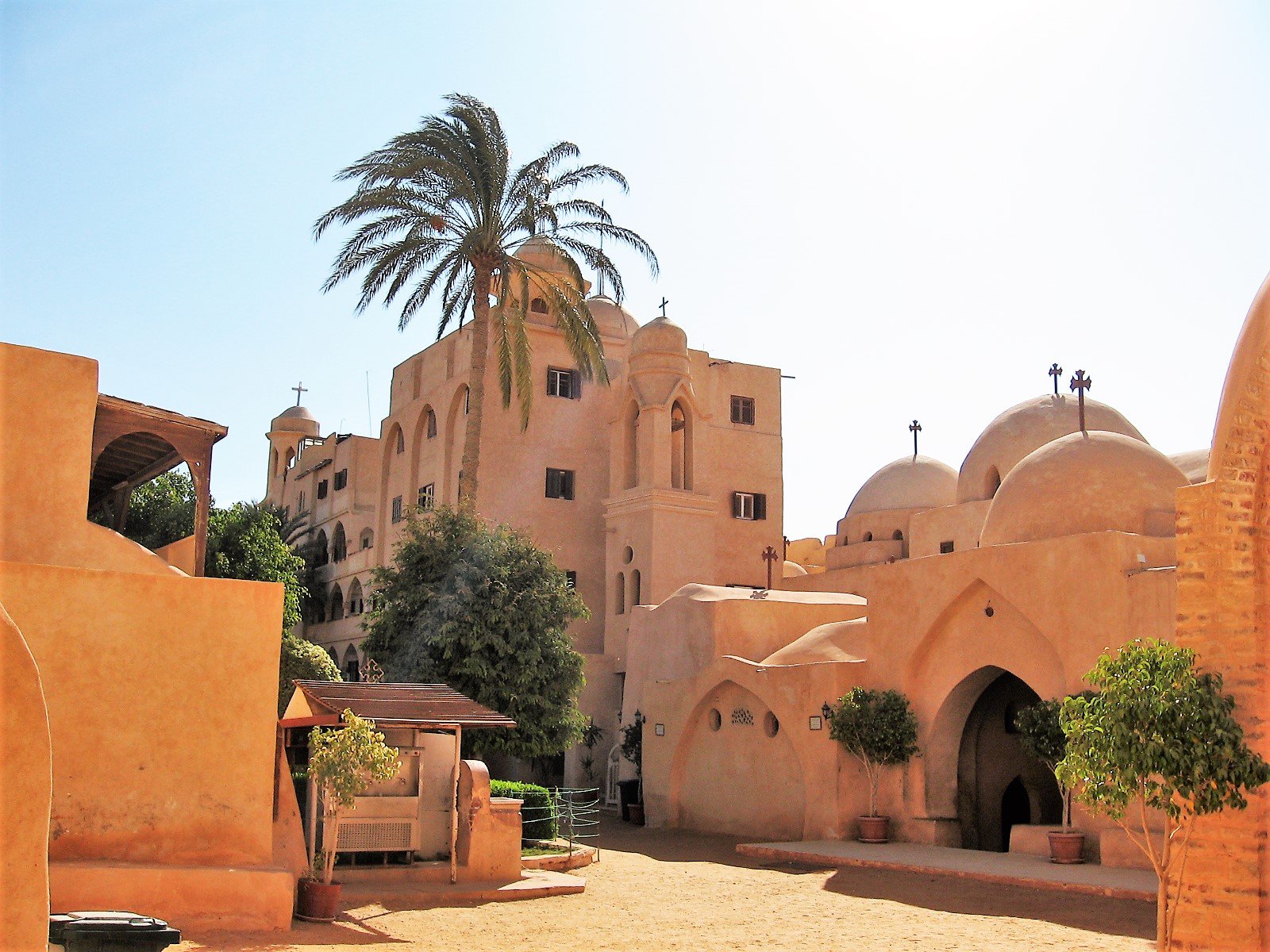
Under a mission at Cairo University, which was a joint effort between the Egyptian archaeological mission and the Supreme Council of Antiquities, they have discovered the valuable remains of the ancient monastic practices that were carried out in the 4th-6th centuries AD. The discovery has taken place at the burial monasteries, which were recently found in Wadi El-Natrun, which is located in the Beheira Governorate; it is a major center of monasticism in Egypt that later became a reason for the widespread monasticism in Egypt and worldwide.
The reports of the discovery state that this site is a prominent source for learning about early monastic life, like how it developed in ancient times. How was the planning for monastery architecture done? The design and major remains also shed light upon the historical life of the monks in Egypt.
Specification of the Monastery
- The structure, which was recently unearthed, spans approximately 2,000 square meters, and most of the part is constructed using mud brick, a significantly different material that was used in ancient Egyptian monuments.
- The external walls of the monastery are thick, around 1 meter, whereas the internal walls range from 60 to 70 cm in thickness.
- The height of the walls, which are situated at the external part, is 1.80 meters, and the height of the walls in the internal parts is around 2.20 meters.
- After the excavation, an open courtyard in the center of the building is also found, which is surrounded by various smaller architectural units.
- These smaller architectural designs are courtyards of the monks, which are used for personal use. The shape of the shorter courtyard varies; some are square and others are rectangular.
- Some annexes are also seen, especially at the western part of the monastery, which may be fully equipped kitchens or storage spaces used often or regularly.
The major remains found at Wadi El-Natrun excavation
Found human skeletons and remains of burial practices, which reflect the monastic beliefs about the afterlife associated with that period. When architectural aspects are studied, that shows various roofing systems and vaults are used. It seems like the walls are decorated with a plaster white layer. On the walls there are remains of motifs, and human figures are found.
Additionally, some of the inscriptions are also found at the site in the Coptic script, leading to the belief that these may be the names of the monks who have lived there. These findings are contributed to the documenting of daily lives of the monks. Below here is mentioning what major officials and historians are commenting about the discovery and what they think about it, who were closely associated with the mission.
Team insights about the Discovery of the remains at the Monastery
Sherif Fathy, who is the minister of tourism and antiquities, has expressed his happiness and delight about the discovery, with emphasis on the valuable points that come to light because of the discovery, like now historians can study the early life of the monks and monastic culture.
The secretary general of the Supreme Council of antiquites, Dr. Hisham El-Leithy, says that discovery is a collaborative effort of the ministry and institution that have helped in uncoivering the earthed monastery. Also shed light upon the growing attention of cpotics sites in some recent years.
Dr. Mohamed Sami Abdel Sadek, who is the president of Cairo University, has proudly said that the excavation was made complete by Egyptian students and experts and can say the discovery was made by Egyptian hands, which is a result of cooperation of the Ministry of Tourism and Antiquities. The dean of the Faculty of Archaeology at Cairo University, Dr. Mohsen Saleh, has shed light upon the comprehensive plan that is documenting and working to preserve the discovered structure. As the discovery of the monastery is a mudbrick architecture, the latest and scientific standards will be taken into account for the preservation purposes.
Several experts and officials, like Dr. Diaa Zahran, who is the head of Islamic and Coptic Antiquities and the head of the Central Administration for Lower Egypt and Sinai Antiquities, and also Dr. Yasser Ismail Abdel Salam, who was the archeological mission head, have also addressed the recent development by the Egyptian archeological and research authorities. Also have stated that this monastic monastery can provide insights about monasticism in Wadi El-Natrun, Beheira governorate.
Conclusion
The recent development in Egyptian archaeology is taking it to another level; new excavations are being made, and they are revealing a different aspect in Egyptian history. If you are interested in archaeology or Egyptian history and also planning to travel to Egypt, then follow us and get recent updates about Egypt.
For assistance with Nile Cruise booking or Egypt tours, contact us now; our team will help you find the best solutions.
Read our other blog for knowledgeable insights about Egypt travel and history.
3,000-Year-Old Egyptian Scrolls Found, Hidden Messages Yet to Be Decoded