The lands of pharaohs have one of the longest and most storied histories of humankind. From the beginning, Egypt has been reconstructed many times, from pharaohs to Greeks to Ottomans. While the iconic pyramids and sphinx draw the attention of the explorer, modern Egypt, because of its revolutions, political transformations, and cultural evolution, is equally powerful and captivating.
Learn about the egypt modern day in this section; from king rulers to sovereignty, the journey of revolution is explained in one of the simplest ways.
From Ottoman Province to Modern State
The modern history of Egypt began with the Albanian commander under the Ottoman Empire, Muhammad Ali Pasha, who was the one who restructured Egypt through military, economic, and administrative reforms. His vision is to turn the country into a regional power; he brings a modern army, improved agriculture practices, and industrial enterprises that have worked as the foundation of modern Egypt.
However, with the rise of European powers, the fate of Egypt also changed. The modern Egypt history timeline is explained below.
During the late 19th century, the country was influenced by the European forces; in 1882, the military intervened in the Egyptian provinces. That time, an Urabi revolt (1879-1882) took place under the lead of Colonel Ahmed Urabi, but Egypt was defeated by the colonial powers, and they gained deeper control over Egypt.
Colonialism and Struggle for Independence
When was modern Egypt founded? In the year 1919, during the early 20th century, nationalist movements erupted due to the exile of nationalist leaders like Saad Zaghoul. The vigorous national movement demands the removal of British rule over the Egyptian people. The unrest rapidly started in all parts of Egypt; from children to women, everyone has played a vital role in the protests. The revolt didn’t end the British rule immediately, but Great Britain issued a unilateral declaration of independence in Egypt in 1922.
This period was one of the most unstable years in Egypt’s modern era; tensions persisted, as did constitutional political conflicts and Egypt’s struggles for full autonomy.
The birth of the Republic of Egypt
On 23rd July 1952, a remarkable day in the history of Egypt, the monarchy finally ended in Egypt. This dramatic event paved the way for the declaration of the Arab Republic of Egypt in 1953. Till today, this day is celebrated as the revolution day in Egypt, which symbolizes the transformation from a monarchical region to a sovereign republic.
After a lot of political instability and numerous changes in governance over a period of time, today Egypt operates as a semi-presidential republic, as the president has control over the political, military, and economic aspects.
Facts about modern Egypt—Population, Identity, and Population
Today, Egypt’s population is the third-largest in African states and one of the most populous in the Arab world, with over 107 million residents as of 2025. The vast population of Egypt settles along the River Nile and the Nile Delta; they also heavily depend upon the river waters for agriculture and daily life activities. Ancient Nile waters are still the lifeline of the Egyptian people and play a significant role in shaping social identity.
Primarily, the culture of Egypt is influenced by the Arabs and the historical layers of the ancient civilization. Arabic is the official language of the Egyptian people and is accepted by the government. Islam is the major religion in Egypt, with a minority of Coptic Christians contributing to the nation’s religious and cultural diversity.
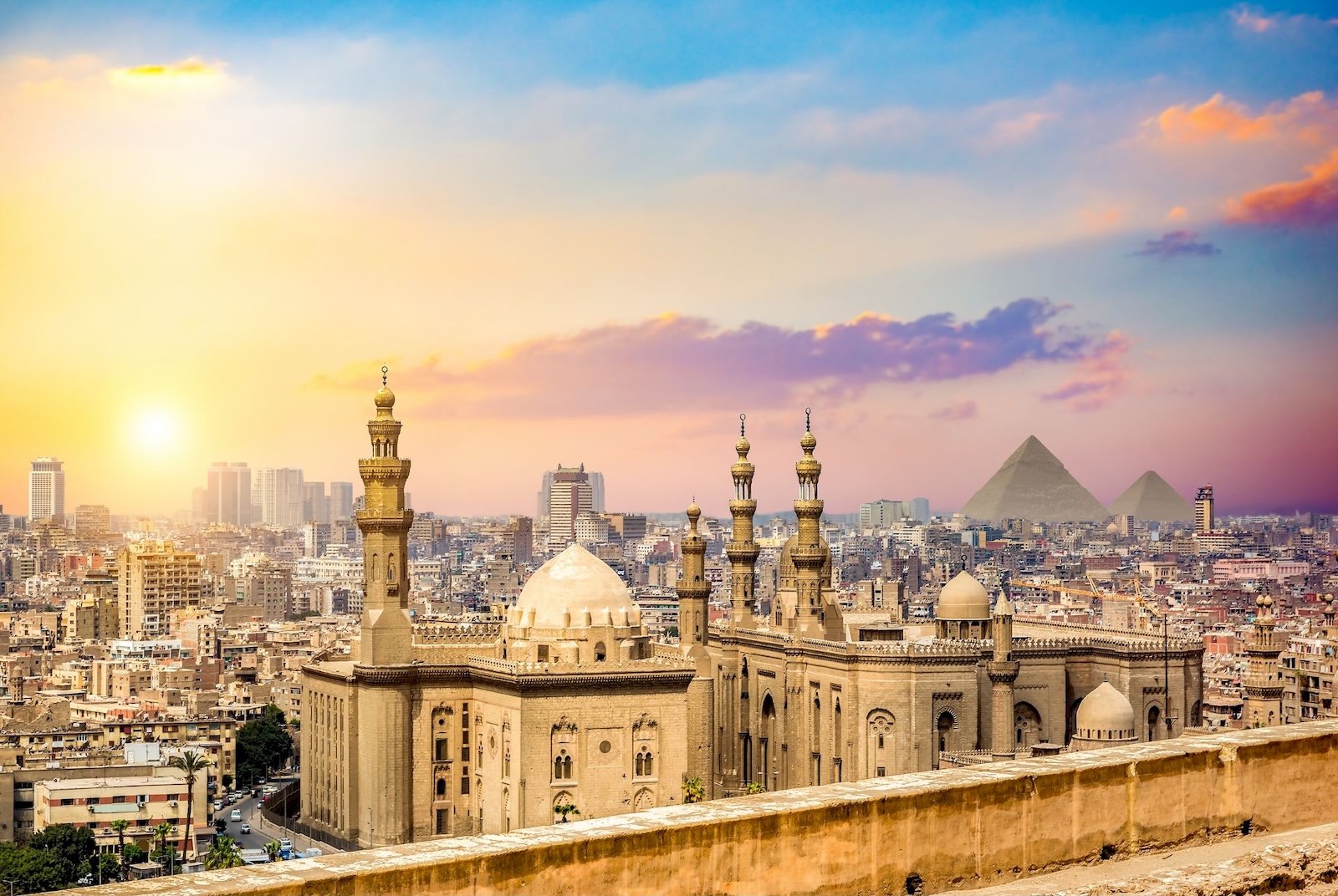
In modern Egypt, cities like modern Cairo, Alexandria, Luxor, and Aswan stand as the major cultural hubs in Egypt and highly contribute to the economy of the nation. Today’s Egyptian society is grounded in the rich heritage of art, music, and dance. Modern Egyptian clothing also has the influence of Arab and Middle Eastern cultures. All the major cities with historical monuments are standing as an exceptional blend of the past with modernity.
Tourism in Egypt
The tourism industry in Egypt plays a significant role in uplifting and developing the country. It’s like a cornerstone of its economy and also likely to increase by the year 2029. Egypt records one of the highest numbers of tourists in 2025; around 15.7 million tourists have explored the Egyptian historical wonders and the uniqueness of the Sahara Desert and the River Nile.
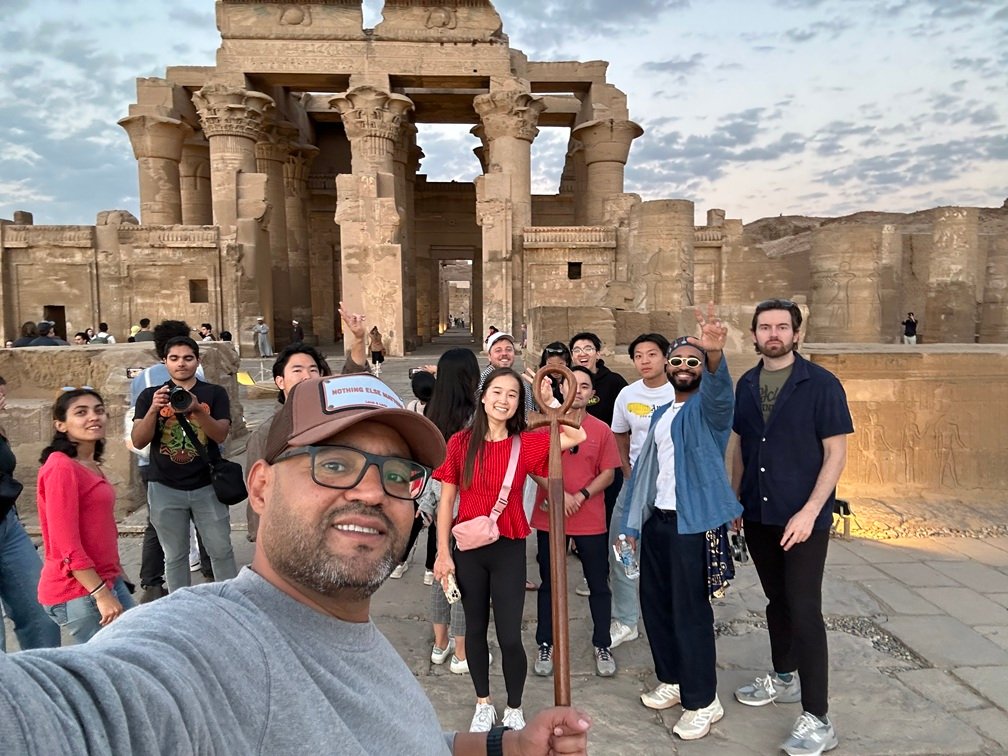
Egypt is one of the top travel destinations on the African continent, ranking well in overall world tourism charts. Countries like Germany, the UK, France, Saudi Arabia, and the USA are countries from which tourists visit Egypt. The governance in Egypt also has plans for expansion and development in the tourism sector, as it generates employment for the locals and contributes to the overall economic development of the state.
Major Tourism Spots in Egypt
World heritage and ancient wonders of Egypt, like the Great Pyramids of Giza, the Luxor temples, and the Valley of the Kings, play a major role in driving tourism to Egypt. The historical significance and unique mummification culture of ancient Egypt have drawn the attention of explorers around the world. From the Colossi of Memnon to the Edfu Temple on the Nile River, tourist spots are emerging in Egypt.
The Nile Cruises
Another major factor that defines tourism in modern Egypt is prominent river cruises over the Nile. The longest flowing river holding footprints of history, still contributing to shaping the tourism of Egypt. The serene and luxurious experiences of the Nile cruise in Egypt offer a perfect relaxing escape for the tourist. The adoring riverbanks of the Nile add a charm to the cruise journeys. It is one of the attractions for driving tourists to the land of history and resilience.
Grand Egyptian Museum (GEM)
Recently opened in November 2025, the Grand Egyptian Museum near the pyramids of Giza is now the world’s largest museum dedicated to any single civilization, showing the complete Tutankhamun Collection and many other thousands of artifacts placed for the explorers. GEM has now become a significant spot for boosting tourism in the coming years. The expansion of the museum also contributes to enhancing Cairo, the capital of Egypt’s global appeal.
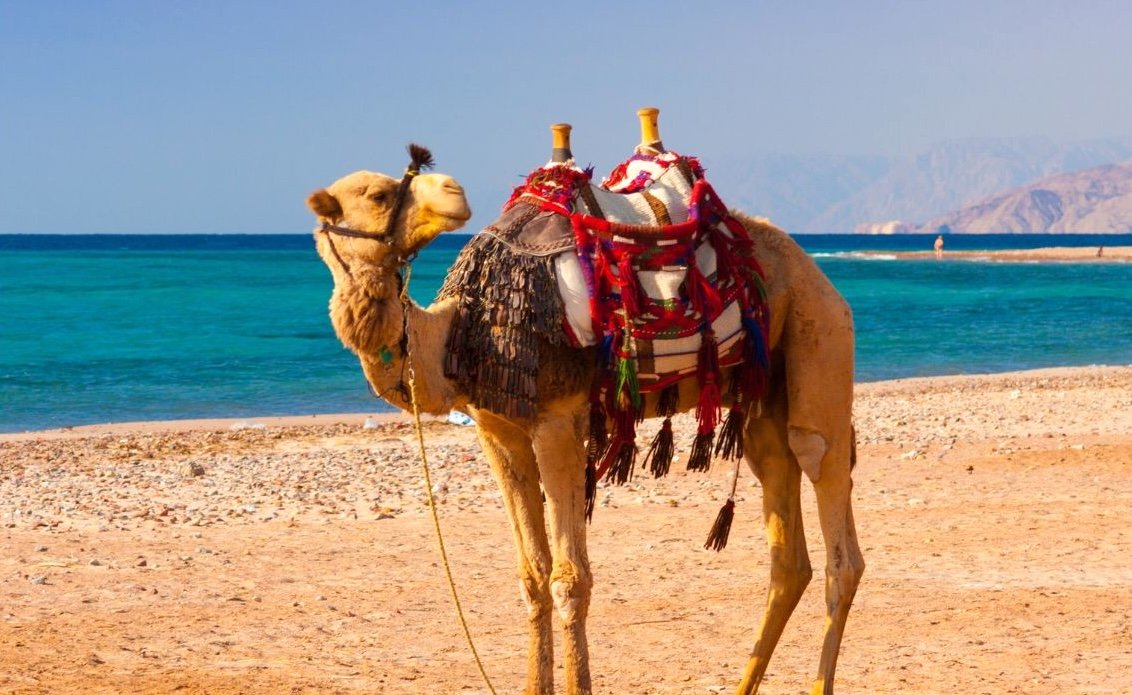
The government of Egypt promotes a broad range of tourism through temples, museums, and archeological sites. The Red Sea, beaches, and classy resorts also attract travelers for retreats and vacations.
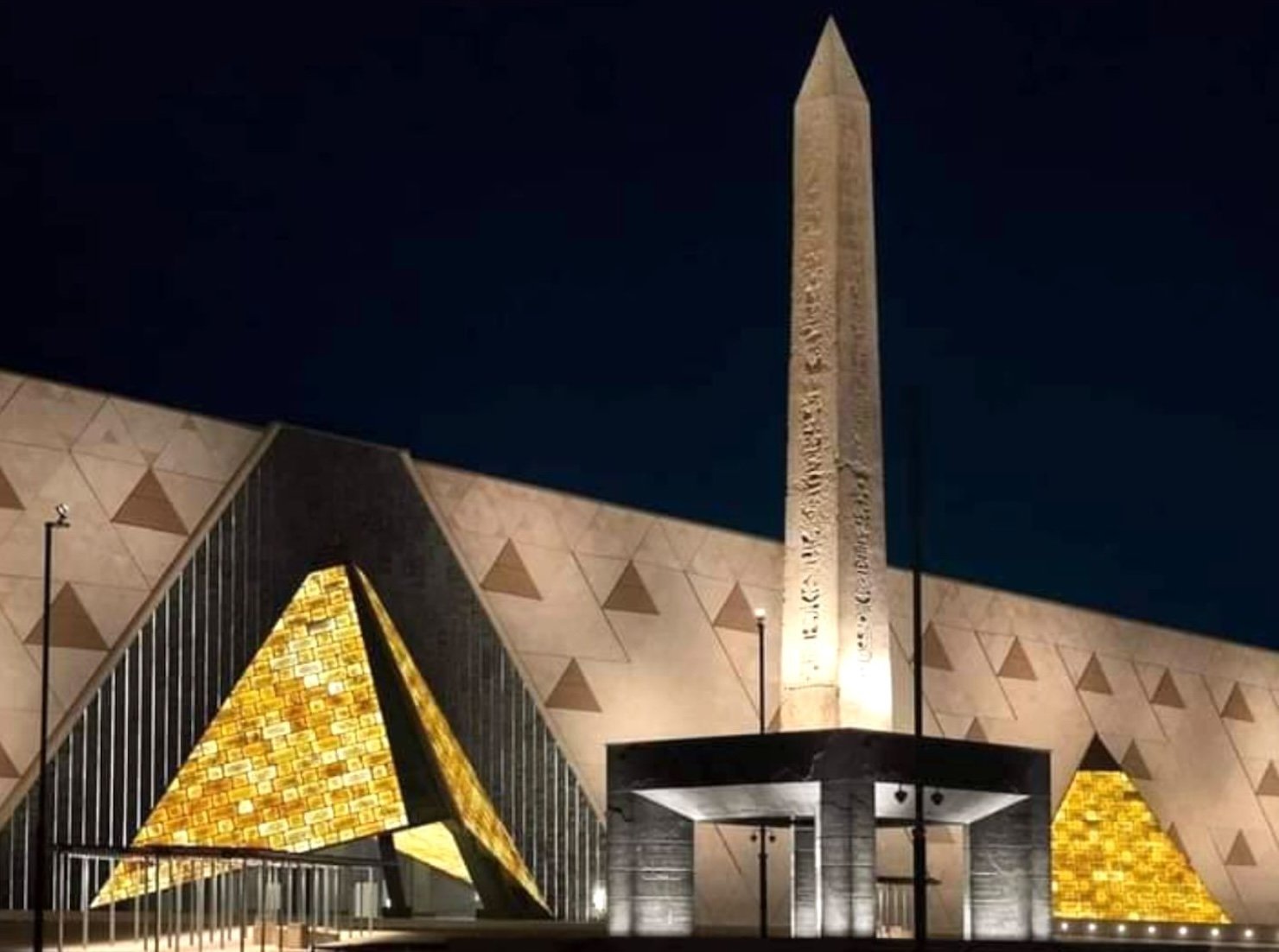
All these factors contribute to tourism and the overall growth of modern Egypt. The ancient Egypt vs. modern Egypt map didn’t just change on borders, but it has evolved as one of the leading regional powers in the continent and stands as strong as historical monuments.
Global Trade and Regional Significance
Egypt is one of the strongest regional powers on the African continent. It plays a significant role in Middle Eastern and African geopolitics because of its location and being home to numerous world heritages. Egypt is also the founding member of the Arab League and the Non-Aligned Movement under BRICS. Overall, modern Egypt not only has tourist significance but also plays a part in international trade and affairs.
Some Commonly Asked Questions
What makes modern Egypt different from ancient Egypt?
The modernization in Egypt brought a republic, sovereignty, and freedom from the monarchy. In ancient Egypt, or during the monarchy, Egypt is seen only from the religion aspect. But with time, the Republic of Arab focuses on improving urban cities, tourism, and infrastructure. Now Egypt is defined as a mix of Arab and global cultural influences in the African region.
What countries border modern-day Egypt?
To the west, Libya; to the south, Sudan; and to the northeast, Israel and Gaza (Palestine) are the bordering countries of modern-day Egypt.
Is Egypt Safe for Travel Today?
Yes, the Egyptian government is continuously focusing on tourism infrastructure and development in the sector. Famous locations like Cairo, Giza, Sharm El-Sheikh, and Hurghada are considered the safest for tourists. The government of Egypt has special advisories for international travelers.
What languages are spoken in modern Egypt?
Arabic is the most widely used language by the people of Egypt. The English-speaking population is also large, especially at tourist locations and in hospitality, to make travel easy and familiar for international travelers.
Is the Grand Egyptian Museum worth visiting?
Yes, absolutely, the Grand Egyptian Museum is the world’s largest archeological museum, located near the capital of Egypt. The preserved artifacts from the centuries are presented there to bring up the rich history and culture of ancient Egypt.
What is the currency used in Egypt, and how expensive is it?
EGP—Egyptian Pound—is used in the country. In comparison to Western currencies, the Egyptian pound is less costly for tourists. Under an optimal budget, tourists can travel in Egypt.
Best Egypt Tours for First Time Travelers
Egypt Trip 10 days: Cairo, Nile Cruise, and Hurghada (Red Sea)
Start from
$1269 / U$D
Egypt in 6 Days Trip: Cairo, Nile Cruise & Air Travel
Start from
$849 / U$D
10-Day Egypt Itinerary: Cairo & Nile Cruise
Start from
$1209 / U$D
Trusted Partners
Nile Cruisen: Chosen by Leading Brands as Egypt's Top Cruise Operator