Itineraries
- Pick up from your stay in Aswan.
- Sail on the Nile to Soheil island using motor boat
- Enjoy the views of the Nile on the way to Soheil island.
- Experience stunning views of Soheil Island, Elephantine Island, and the breathtaking Nile.
- Arrive at the village, where you will visit a traditional Nubian house to learn about the history and culture of the Nubian people over a glass of welcome tea, interact with locals and learn about their culture, traditions, and vibrant art.
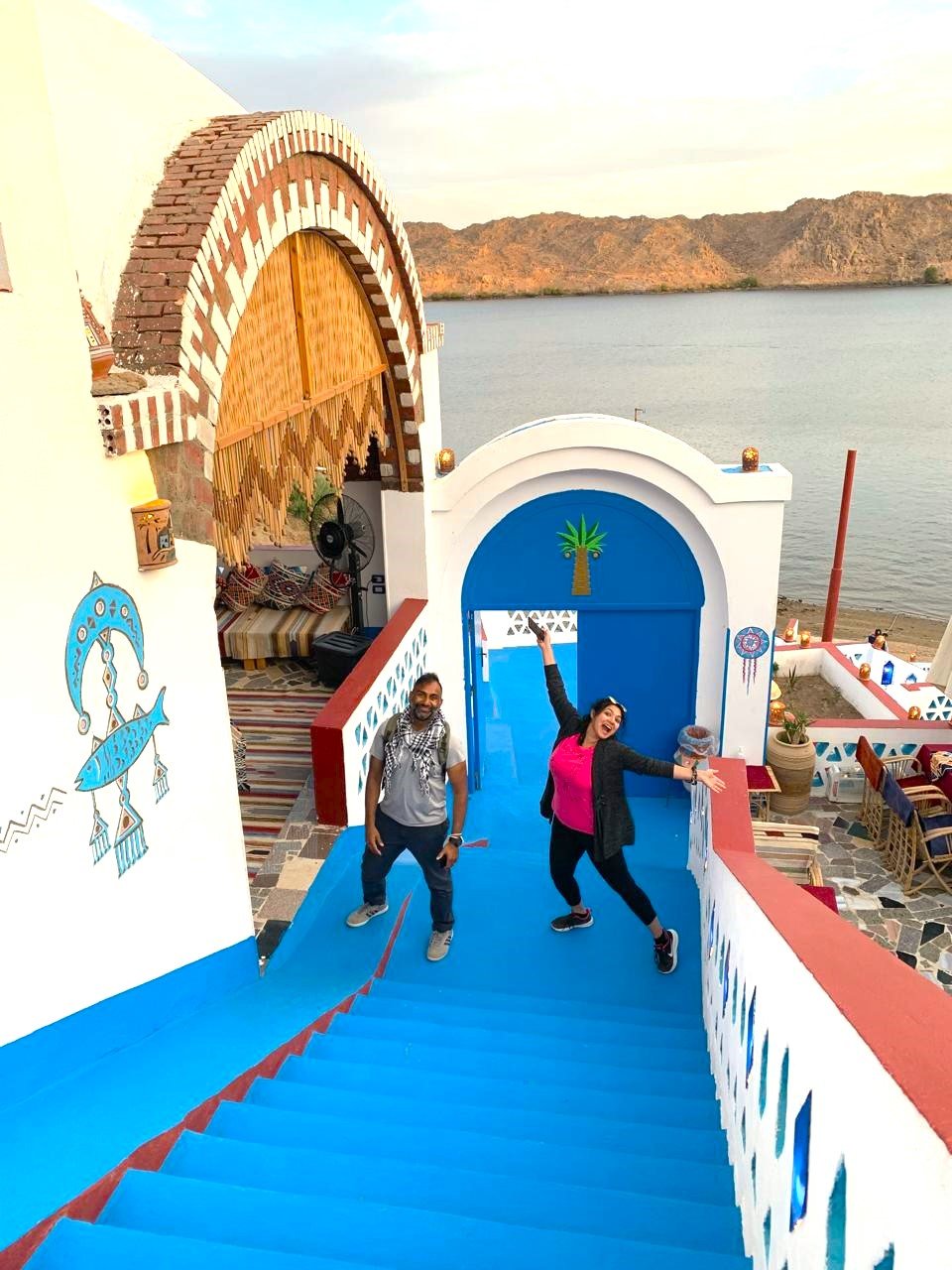
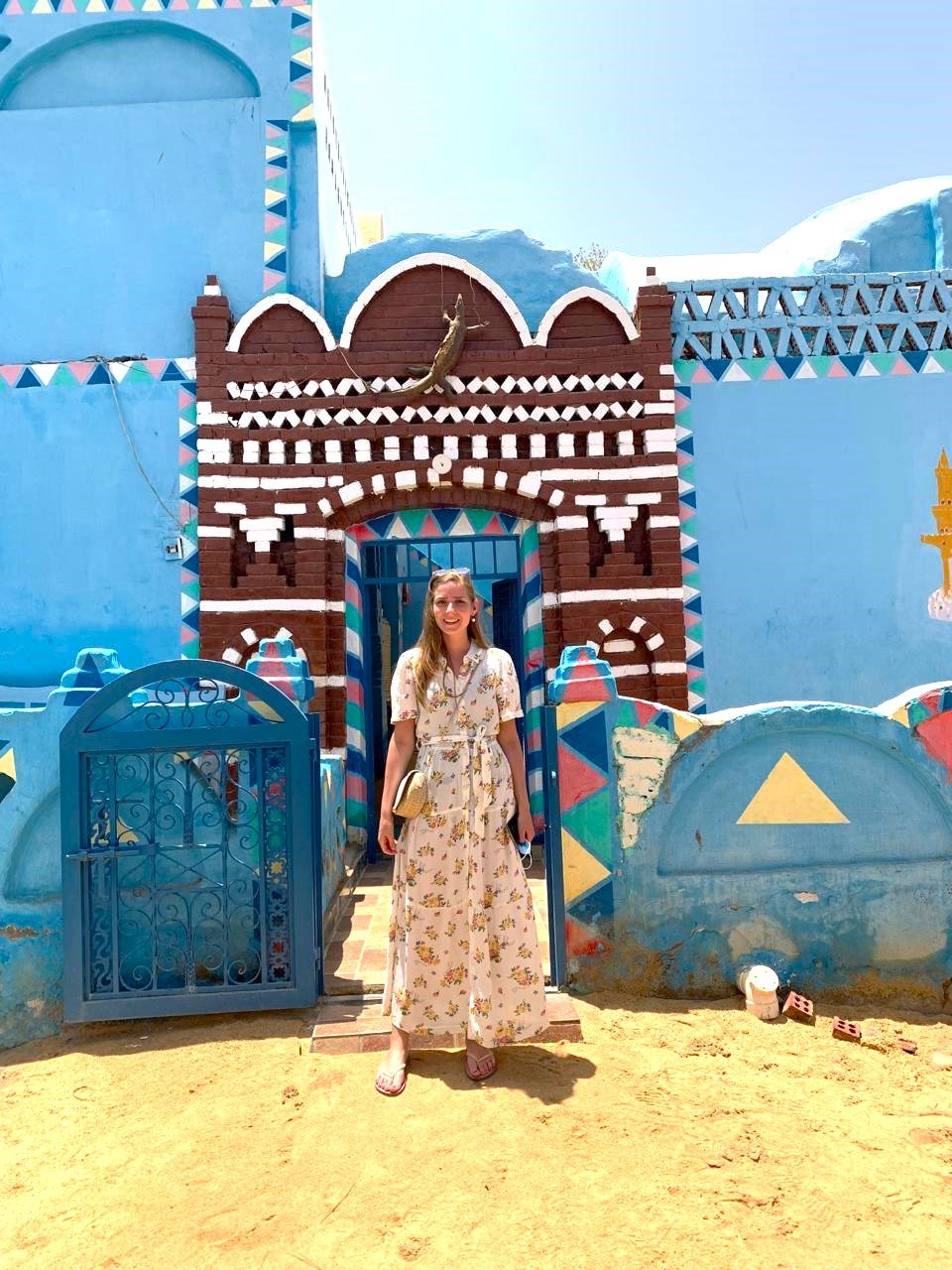
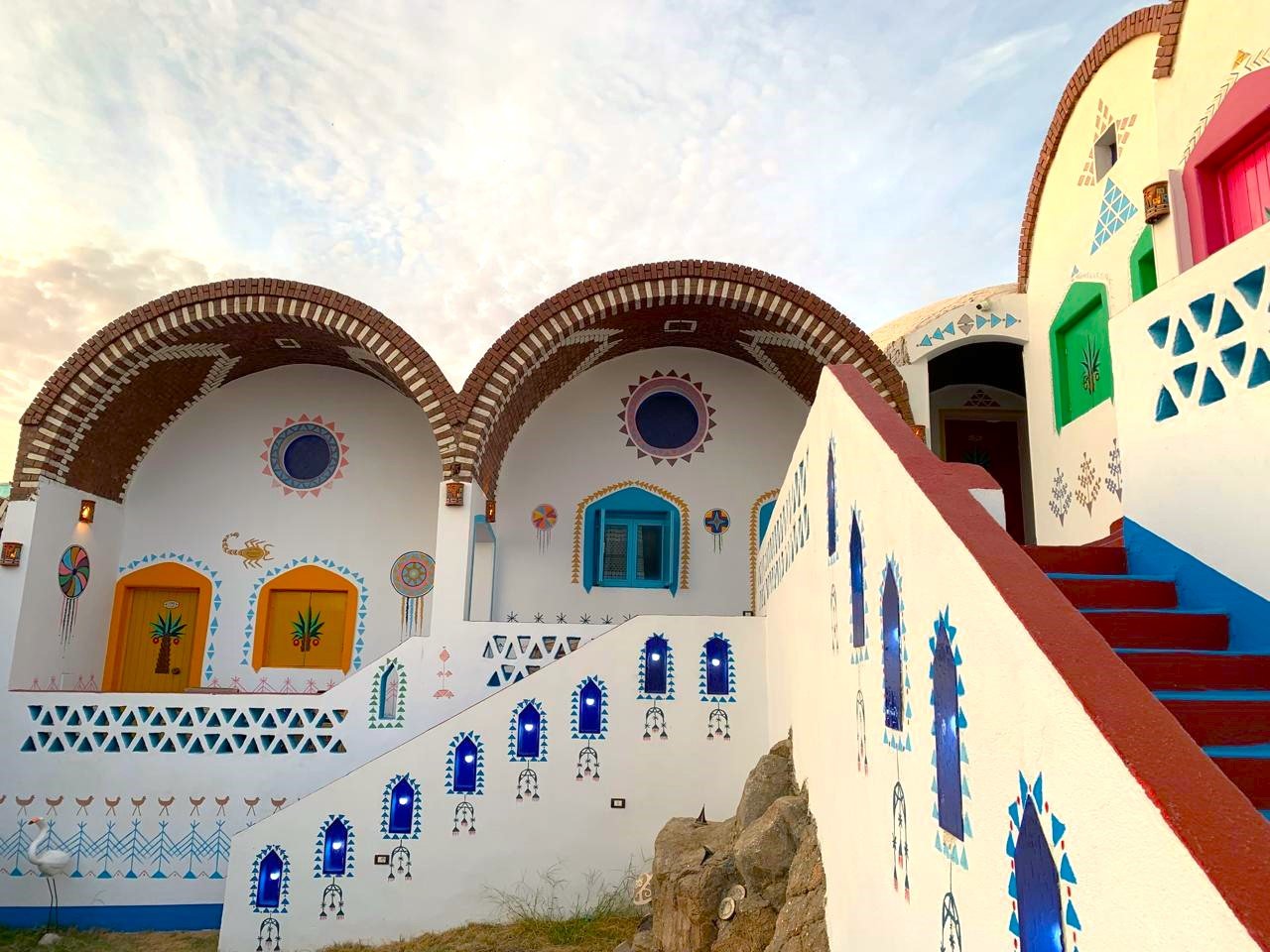
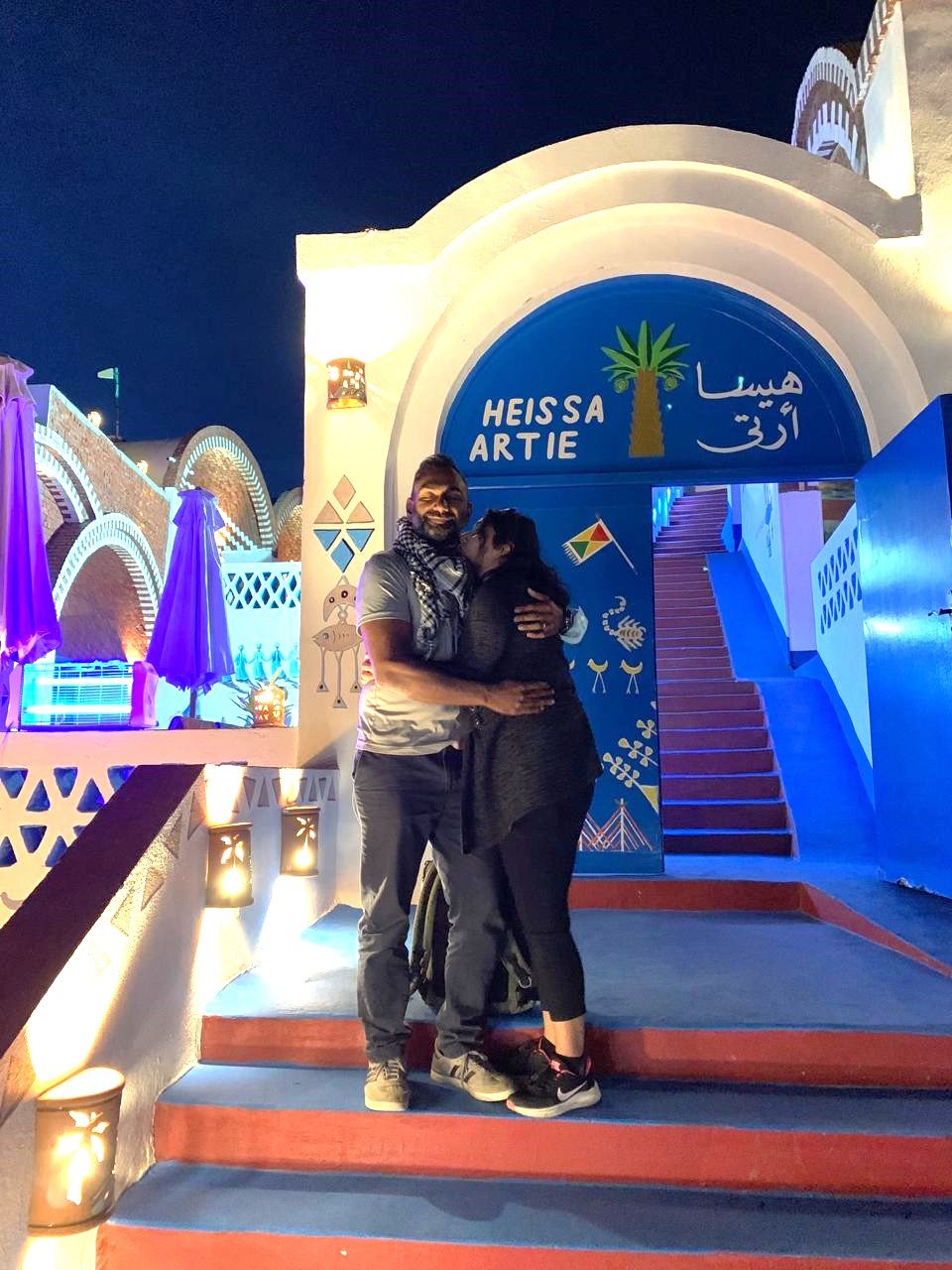
- Capture stunning photos against the backdrop of vibrant Nubian houses, where every corner bursts with color. Don’t miss the chance to snap a memorable shot with the friendly crocodiles that call this village home.
- Walk through the colorful streets and visit local shops selling handmade crafts.
- At the end, begin sailing back to Aswan, transfer to your Aswan stay.
Prices Guides
Start From: $49
Solo Traveler:
- 99 U$D per person.
From 2 to 4 Travelers:
- 69 U$D per person.
From 5 to 10 Travelers:
- 49 U$D per person.
Inclusions & Exclusions
Inclusion
- Pickup and drop off to your stay in Aswan.
- Motor Boat sailing round trip.
- English speaking tour guide.
- Bottled water during day trip.
- All charges and taxes.
Exclusion
- Any extra not mentioned.
- Tipping.
Gallery




Nubian Village in Aswan: Culture, History & Travel Guide
The Nubian Village is one of the most distinctive cultural experiences to have in Aswan; it is situated on the west bank of the Nile River, just south of the city in Aswan in southern Egypt. For travelers whose itineraries dominate the visits to monumental temples and archaeological sites, for them a visit to a Nubian village introduces a living community shaped by the Nile; it carries centuries of history and preserved traditions that still remain part of their everyday life.
The experience is not simply about seeing the brightly painted houses, but a boat journey along the Nile, a walk through village streets, traditional food, local handicrafts, music, and conversations with residents offer a closer look at Nubian culture to travelers.
This can be the best experience for tourists who want to experience another side of Egypt beyond its ancient monuments. The tour to Nubian Village provides a slower and more personal experience in southern Egypt.
Who are the Nubians?
The Nubians are an indigenous people of the Nile Valley, historically inhabiting areas of southern Egypt and northern Sudan, and Nubia developed around the Nile and became an important region for trade and cultural exchange. Also, the Nubian history is closely connected with ancient Egypt, but Nubian civilization has its own identity, traditions, and cultural heritage. The Nubian rulers have even given Egypt during the 25th dynasty.
A Brief History of Nubian Villages
The history of Nubian communities is closely tied to the Nile, as for generations, the villages have developed along the river, with agriculture, fishing, and trade. One of the biggest changes came in the 20th century with the construction of the Aswan High Dam.
It is because it led to the creation of Lake Nasser, which flooded large areas of traditional Nubia, and many Nubian communities were relocated from their ancestral villages, and this displacement changed the geography of Nubian life, but it did not erase their culture.
Families carried their language, customs, food traditions, crafts, and architectural style with them.
So, the modern Nubian villages around Aswan that tourists explore on optional excursions during their Nile cruise in Egypt represent more than a colorful tourist attraction. They are part of a continuing cultural story shaped by the Nile, migration, adaptation, and reservation of identity.
What Makes Nubian Village a Tourist Attraction?
Living Nubian Culture: The travelers can see elements of Nubian culture in everyday surroundings, like in architecture, food, music, crafts, and hospitality.
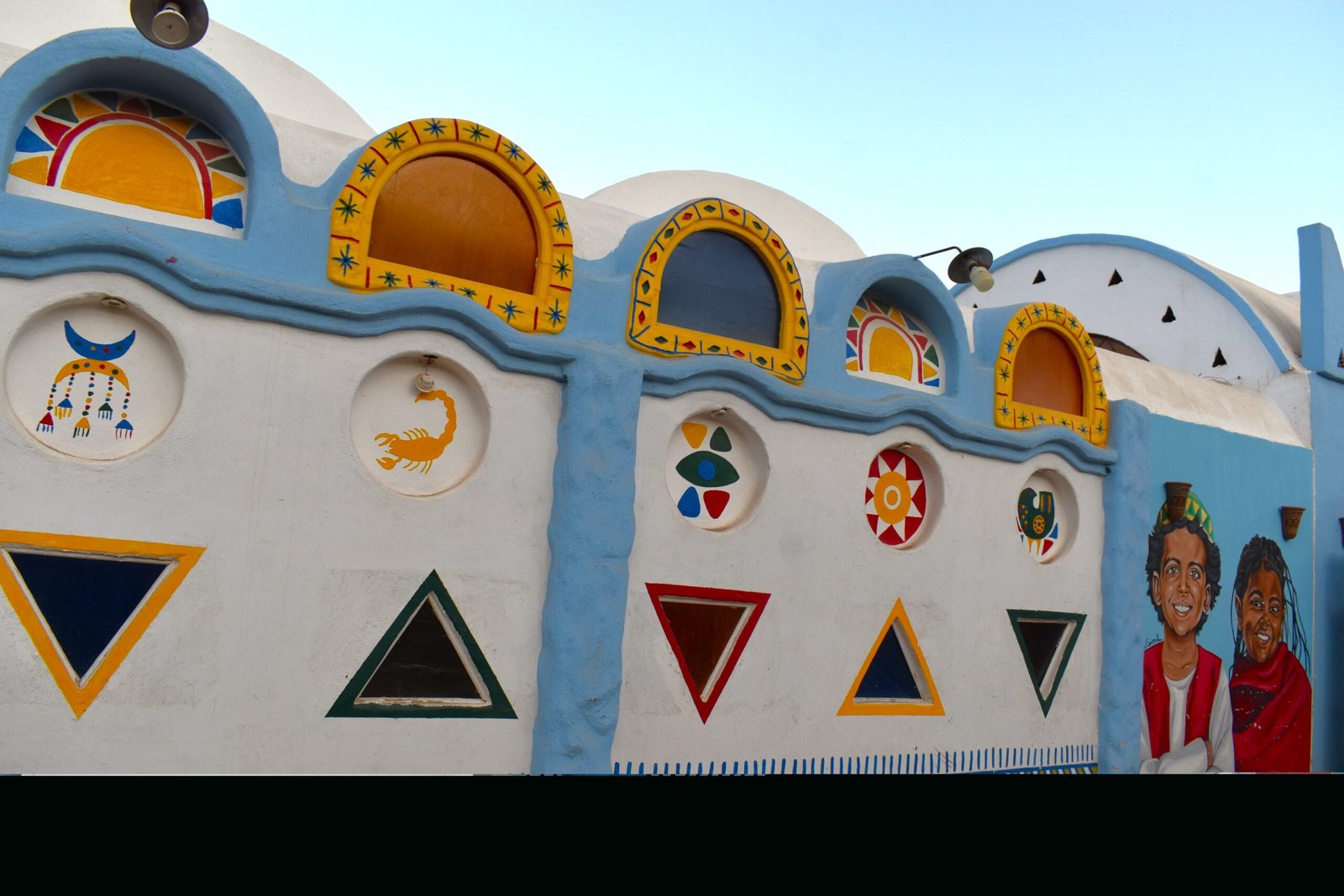
Colorful Architecture: The Nubian houses are particularly recognizable for their vivid colors, geometric decorations, domed forms, and painted details; also, the architecture creates a visual contrast with the surrounding desert landscapes. But all these features are worth more than the photographs, as these significant details tell you more about the character of the village.
Nile Scenery: Getting to the village is part of the experience, as most excursions are carried by a motorboat ride from Aswan city to the village, which includes passing rocky islands, palm-linked banks, and desert landscapes.
Local Food and Hospitality: A village visit may include an opportunity to enjoy traditional food or drinks in a local setting; also, sharing a meal or sitting down for a tea can make the cultural experience more meaningful than simply walking through the village.
Traditional Markets: Another major reason that makes the Nubian villages a tourist place is the markets that offer you an opportunity to see locally produced handicrafts, textiles, jewelry, baskets, spices, and decorative items.
What Is Nubian Culture Like?
| Element | What Travelers May Experience |
| Language | Nubian languages alongside Arabic |
| Village Walk | The tourists can see Colorful homes, decorated streets and everyday life |
| Music & Dance | Rhythmic music, drums, singing and traditional dances |
| Food | Home-style dishes, breads, spices, tea and hibiscus drinks |
| Crafts | While exploring markets, the tourists can see handmade textiles, baskets, jewelry, pottery, and decorative items. |
Well, the Nubian culture is not limited to architecture, as during excursions tourists may get a chance to visit a local home or guesthouse, having tea or a traditional drink; the visit also includes a chance of talking with residents and learning about local customs. These guesthouses are particularly designed for the tourists, so follow your host’s instruction and only enter the houses that are permitted for tourists while touring the village.
What Can You Find in Nubian Village Markets?
The Nubian markets are colorful and lively, but they are more interesting when viewed as part of a local culture rather than simply souvenir stops. Tourists here can observe the traditions, art, and crafts that have been preserved in the Nubian culture through centuries.
The tourists may find these common items at the Nubian markets:
- Handmade jewelry
- Colorful textiles
- Embroidered items
- Woven baskets
- Pottery
- Spices and herbs
- Traditional accessories
- Decorative artwork
- Small locally made souvenirs
A few shopping tips that are advised for tourists to follow:
Ask about handmade products: We advise that if something catches your eye, ask the seller or your host how and where it was made to understand the Nubian artifacts in depth; it’s an engaging activity during your shore excursion.
Carry small Egyptian pound notes: Also, travelers are advised to carry smaller denominations of the Egyptian currency that can make everyday purchases a little easier.
Compare before buying: If you’re interested in several items, look around before making a choice, as Nubian artifacts come in variety.
Bargain Politely: Well, negotiating can be a part of Egyptian market culture, but keep it friendly and respectful.
Buy Something Meaningful: A small handmade item connected to the local craft tradition can be a more memorable souvenir than a generic tourist product.
Best Time to Visit Nubian Village
Aswan is known for its hot, sunny climate, so timing your visit can make a noticeable difference.
October to April: These are the peak tourism months in Egypt, as it generally offers more comfortable conditions for walking around the village, so tourists can visit any time for a village tour.
May to September: These months are warm, and summers can be extremely hot in southern Egypt, so if you’re visiting during these months, then consider choosing a morning or later-afternoon excursion; it also provides better conditions with plenty of time for hydration and sun protection.
Best Time of the Day
For photography and comfort, morning and late afternoon are usually preferable if you want to avoid the strongest midday heat, and the late afternoon also adds another advantage, like then you can witness the changing light over the Nile and desert landscape that can make the journey particularly atmospheric and more memorable.
What Should You Wear to Nubian Village?
Choose a clothing option that works for both the weather and the cultural setting during the Nubian village tour. Like, you must have the looks listed below:
- Lightweight, breathable clothing
- Comfortable walking shoes
- Sunglasses
- Hat or sun protection
- High-SPF sunscreen
- A light layer during cooler winter evenings
- Modest clothing so you can be comfortable when entering a local home or religious setting.
You don’t need formal clothing, but dressing respectfully is especially appropriate when visiting people’s homes.
What should you bring?
A small bag can be enough for a Nubian Village tour in which you bring the essentials listed below:
- A reusable water bottle is particularly useful because walking around the village in Aswan’s heat can be tiring.
- Sunscreen
- Sunglasses
- Hat
- Camera or phone
- Small Egyptian currency
- Comfortable shoes
- Hand sanitizer
Responsible Travel in a Nubian Village
Because this is a living community, visitors should approach the experience differently from a visit to an archaeological monument, so they are advised to follow these tips.
Ask Before Photographing People: The village may be appealing, but residents are not tourist attractions, so travelers are advised to seek permission before taking someone’s photograph, particularly if taking pictures of small kids.
Respect Private Spaces: Do not enter homes, courtyards, or private areas unless you have been invited.
Support local businesses: Buying directly from local artisans and small businesses can make your visit more beneficial to the community.
Listen rather than assume: The Nubian culture is not a set of customs shared identically by every community, so that allows the hosts to explain their traditions rather than arriving with assumptions.
Take Only Memories: Avoid removing stones, plants, or objects from the village or Nile landscape.
Is Nubian Village worth visiting?
For travelers interested only in ancient monuments, the Nubian village may initially seem like a different kind of experience, and that’s what actually is appealing about this visit.
The temples of Aswan show you layers of ancient Egyptian history. A Nubian village gives you a chance to see living culture in the present through homes, food, music, crafts, markets, and conversations.
The journey across the Nile, the colorful architecture, and the local market are memorable, but the strongest reason to visit is the opportunity to understand a community whose identity has survived enormous changes to the Nile Valley.
Come for the colorful villages and Nile scenery, but stay for the culture, stories, and everyday life that make Nubian Village more than a sightseeing stop.
FAQs
How do you reach Nubian Village?
The most characteristic way to reach the villages is by boat from Aswan. Depending on the excursion, this may be a traditional felucca or a motorboat.
Is Nubian Village suitable for families?
Yes, it can be particularly interesting for families because it introduces a cultural side of Egypt that differs from archaeological attractions.
What is the cost of a Nubian Village tour?
It starts from $49 for 5-10 travelers; the price can be charged depending upon group size.