What does the cat statue in Egypt mean?
Table of Contents
-
Introduction
-
What is the Egyptian cat statue called?
-
Evolution of Ancient Egyptian Cat Statue: Bastet
-
Do you know about the famous Egyptian cat statue?
-
Is Bastet still worshiped today?
-
How do you know if Bastet is calling you?
-
Egyptian Cat Statues Travelers Can See Today
-
7 Interesting Facts About Egyptian Cat Statues
-
Conclusion
Introduction
The cat statue in Egypt is famous for its link to the mythology and cultural beliefs of ancient times. During the Pharaonic and Ptolemaic ages, cats in Egypt were seen as symbols of fertility, protection, and home. Primarily associated with an ancient goddess, Bastet, over centuries, even today, fascination with the cat statues continues in Egypt, and many tourists wonder why cats are still seen as symbols of luck. So, in this blog we’ll be mentioning history, truth, facts, and cultural significance related to cat statues in Egypt.
Archaeologists have discovered thousands of cat statues, cat mummies, and feline carvings in parts of modern Egypt during excavation and research programs. Travelers still see the feline structure on the temple walls and in museums and replicas of them at the market as souvenirs in Egypt during their trip.
What is the Egyptian cat statue called?
Egyptian cat statues are feline structures that primarily represent the goddess Bastet, also sometimes written as “Bast,” and are associated with domesticity, childbirth, and protection and are widely believed to be the goddesses of the home. Scientifically and linguistically, cat statues are feline structures. The term “feline” is derived from the Latin language “felinus,” which means “of a belonging of a cat”; for easier explanation, in biological terms, family Felidae includes all small domestic house cats to massive wild predators like lions, tigers, leopards, and cheetahs.
So, when you look at the Egyptian art and architecture, many Egyptologists use the term “feline structures” to cover a broad spectrum of cat-based art. Early Egyptian depictions showed Bastet as a lioness before she evolved into a domestic cat deity around the Middle Kingdom period. They generally divide these structures into two main categories:
Small Felines (Felinae): It directly refers to the Bastet statues sitting upright or mother cats nursing the kittens; these strictly symbolize the domestic or the African wild cats. A famous example of it is the Gayer-Anderson Cat, which is currently housed at the British Museum in London.
Large Felines (Pantherinae): This refers to the lions and lionesses and includes black granite Sekhmet statues with a lion-headed protector, especially at the temple gates. An example of this category is the massive statue of the Sphinx in Giza. The answer to “What are the big Egyptian cat statues called?” is that they are called large felines related to lions or sphinxes in ancient Egypt.

Evolution of Ancient Egyptian Cat Statue: Bastet
In the earliest Egyptian history, Bastet was not originally shown as a cat; at first, she was depicted as a fierce lioness goddess, which is closely associated with war, royal protection, and the power of the sun. Bastet’s early role was similar to other protective lioness deities like Sekhmet.
Over time, especially during the Middle Kingdom (around 2055–1650 BCE), Bastet’s image gradually softened as domestic cats became increasingly important in Egyptian households. During that era Egyptians started valuing cats for practical reasons like protecting grain storage from rats and mice, killing snakes near homes, and helping preserve food supplies. Soon cats started associating with household safety and nurturing protection, and then Bastet evolved from a warlike lioness deity into a gentler goddess, which is associated with home protection, fertility, motherhood, joy, music, women, and children.
Artistically the transition is visible in Egyptian statues and temple carvings as Earlier images show Bastet with the head of a lioness, and later depictions show her as either a graceful seated domestic cat or a woman with a cat’s head. In the form of a cat, Bastet never completely lost her protective power; even in a gentler form, Egyptians believe that cats protect homes from evil forces and diseases.
Note: This evolution also clarifies the confusion of the modern public, who mistake the goddesses Sekhmet and Bastet for the same. So, Sekhmet remained primarily a fierce lioness goddess of war and destruction, and Bastet became more associated with domestic cats and protective feminine energy.
Do you know about the famous Egyptian cat statue?
It’s the Gayer-Anderson cat, which belongs to the Late Period (around 664–332 BC), a statue made of bronze with gold ornaments. The structure is known as the Gayer-Anderson cat after the major Robert Grenville Gayer-Anderson (a collector of Egyptian antiquities) and Mary Stout Shaw, who donated it to the British Museum in London. This statue is a representation of Bastet, a female cat deity highly respected in the Egyptian traditions.
The statue of the Egyptian cat has earrings, a nose ring, and a protective Wadjet amulet. Also, it has a scarab on the head and another winged scarab on the chest. It is 42 cm high and 13 cm wide; a copy of the statue is still there in Cairo at the Gayer-Anderson Museum, located right next to the historic Mosque of Ahmad ibn Tulun, and travelers can visit there to see the unique artifacts during their all-inclusive Nile cruise trip on a day tour to Cairo, the capital city of Egypt.
Is Bastet still worshiped today?
Yes, in Egypt the ancient goddess Bastet is still worshipped by a community in Egypt as a prime goddess, especially by practitioners of Kemetic Paganism, a reconstructionist Egyptian religion. Although ancient temple worship of Bastet no longer exists on a large scale, some modern Kemetic and pagan spiritual communities still honor her through small personal rituals. These practices may include offerings such as milk, honey, candles, or treats for cats as symbols of protection, comfort, happiness, and domestic harmony.
Many people who do not part of the actively religious practice also believe in the symbolic energy as a patroness of domestic cats. Many individuals buy statues to attract good luck, abundance, and protection.
How do you know if Bastet is calling you?
According to Wicca and modern Paganism, Bastet is honored in Egypt, so some practitioners believe that their symbolic signs that attribute to the goddess “calling” them, such as a sudden, unexplained entry of stray cats in their life; repeated dreams featuring black felines, lions, or cats; and a sudden, strong drawn attraction to Egyptian history, protection rituals, or animal rescue work. These are common beliefs related to the saying that Bastet is calling you.
Egyptian Cat Statues Travelers Can See Today
Some of the major findings related to the goddess Bastet, cat mummies, and cat statues are preserved by the antiquities ministry and were kept at the museum for easier access for the travelers. The cats are so important in Egyptian history that even today many individuals believe that cats represent protection from evil forces and bring good luck in life. So, during your Nile cruise in Egypt, plan a day out for Cairo, Giza, and Saqqara for exploring the artifacts related to cats and the Egyptian deity Bastet.
In Cairo, at the Egyptian Museum and Grand Egyptian Museum, you can see the artifacts recovered and preserved from around Egypt. You will see different kinds of statues and cat mummies too during your visit. There travelers can see bronze Bastet statues in seated cat form, cat mummies wrapped in linen, wooden feline coffins, amulets shaped like cats, and Bastet figures with jewelry and ritual offerings connected to cat worship.
Travelers who are sailing on a Nile cruise from Luxor can also encounter sacred feline structures while exploring historical landmarks along the way. A major site where visitors see the animal symbolism in Egyptian mythology is Karnak Temple, where tourists see Sekhmet statues and carvings. At the Luxor Museum the travelers can explore ancient statues, which are connected to religious practices in ancient times. Then at Kom Ombo temple, travelers learn about the crocodile god and Nile power through ancient Egyptian art that helps them understand the animal symbolism in the ancient Egyptian culture.
7 Interesting Facts About Egyptian Cat Statues
- Ancient Egyptians produced millions of cat mummies over centuries for religious purposes or to show respect to the goddess Bastet.
- Bronze Bastet statues became especially popular during the Late Period (664–332 BCE).
- During the excavation, the archaeologists discovered entire underground cat cemeteries at Saqqara.
- Cats were legally protected in ancient Egypt, and exploiting them was seen as a serious crime.
- There were Bastet festivals that were also celebrated that included music and dancing.
- In ancient times the cat statues were often used as household amulets, as Egyptians believed cats could channel divine protection.
- Many surviving Bastet statues were originally placed inside temples or household shrines for generations, and even today many buy them to attract good luck and abundance in their lives.
Conclusion
Today the unique Egyptian cat statues are preserved not just in Egypt but across the world and seen as a symbol of protection, fertility, and joy. These statues describe the protective feminine energy woven into the spiritual, artistic, and daily life of ancient Egypt. From museum galleries to household shrines, the cat statues were highly respected, so during your visit to Egypt, explore and witness the ancient cat statues in the Grand Egyptian Museum and in Cairo; for this, you can plan a day tour with a 3-night Nile cruise. Advice from a travel expert: While exploring Egypt, ensure that you don’t leave anything uncovered. Deep knowledge will make your trip engaging, and you will experience the true joy of historical exploration on your Egypt trip.

This article was created by the team at Nile Cruisen, one of the best tour operators in Egypt for Nile cruises and tailor-made Egypt tours.
With years of experience sailing between Luxor and Aswan, our team knows the Nile better than anyone.
We share trusted travel advice, from the best time to visit and what to pack to simple tips for avoiding crowds.
Our goal is to help you enjoy the timeless beauty of Egypt with comfort, confidence, and an unforgettable travel experience.
- Nile Cruisen Team

- Nile Cruisen Team

- Nile Cruisen Team

- Nile Cruisen Team

Your Ultimate All-Inclusive Nile Cruise Experience Awaits

Movenpick Sunray Nile Cruise
Start from
$899 / U$D
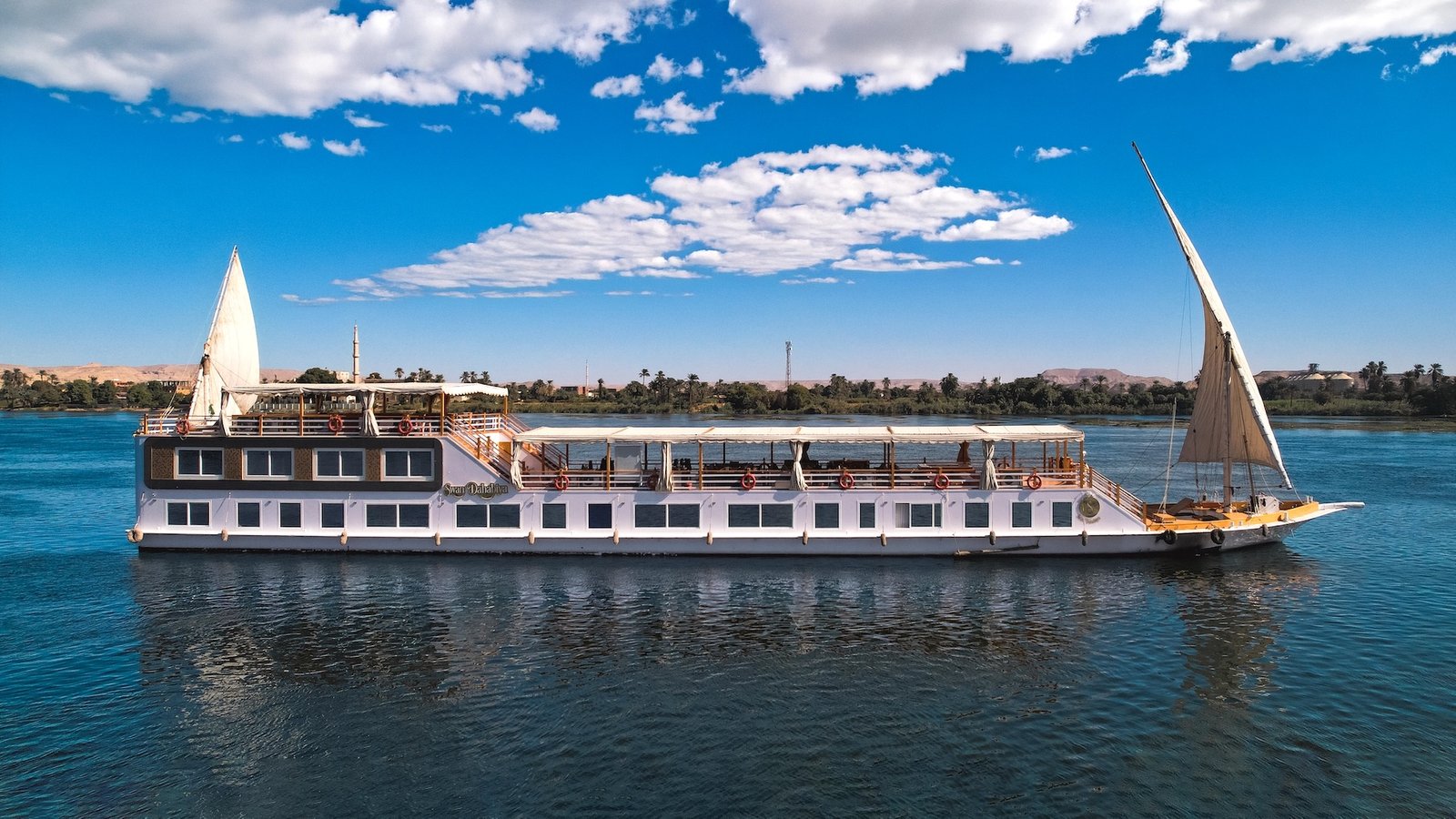

10-Day Egypt Itinerary: Cairo & Nile Cruise
Start from
$1209 / U$D
Trusted Partners
Nile Cruisen: Chosen by Leading Brands as Egypt's Top Cruise Operator